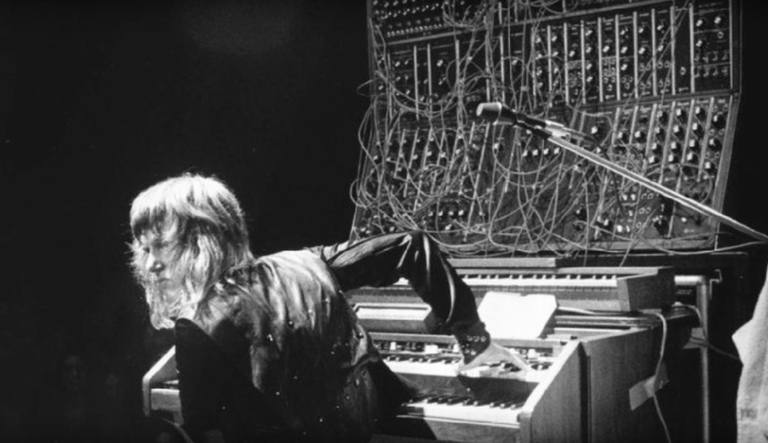

I sit on two boards that don’t, at first glance, look like they belong together: the Alan R. Pearlman Foundation and the MIDI Association.
The longer I serve on both, the more I’ve noticed how much of this story runs through my own hometown, and through people I’ve known most of my career. I grew up in Worcester, Massachusetts, and it turns out Worcester keeps showing up in this history in ways that feel too personal to leave out.
I’m telling that story here for a reason. The Foundation has just opened a fundraiser that runs through October 13, and it is aimed squarely at the two things I care most about in this work: keeping the record of what ARP did, and getting these instruments in front of people who have never touched one.
A Worcester Thread
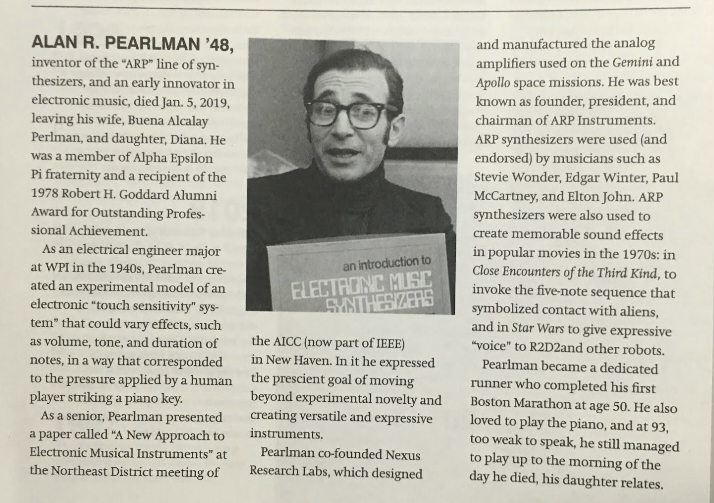
Alan R. Pearlman studied engineering at Worcester Polytechnic Institute, and it was there, as a student in 1948, that he wrote a paper predicting electronic instruments would one day become “versatile, powerful, and expressive.”
I didn’t know that fact the first time I walked past WPI’s campus growing up, but it’s hard not to smile at it now. And the Worcester connections to synthesizers don’t stop with Pearlman.
Pete Brown from Microsoft, the current chair of the MIDI Association’s executive board, grew up just outside Worcester as well.
Tom White, who served as the MIDI Association’s president for many years, attended WPI and studied engineering.
For a small city, Worcester has quietly produced an outsized share of the people who shaped how electronic instruments are built and how they talk to one another.
Getting to Know Alan Pearlman
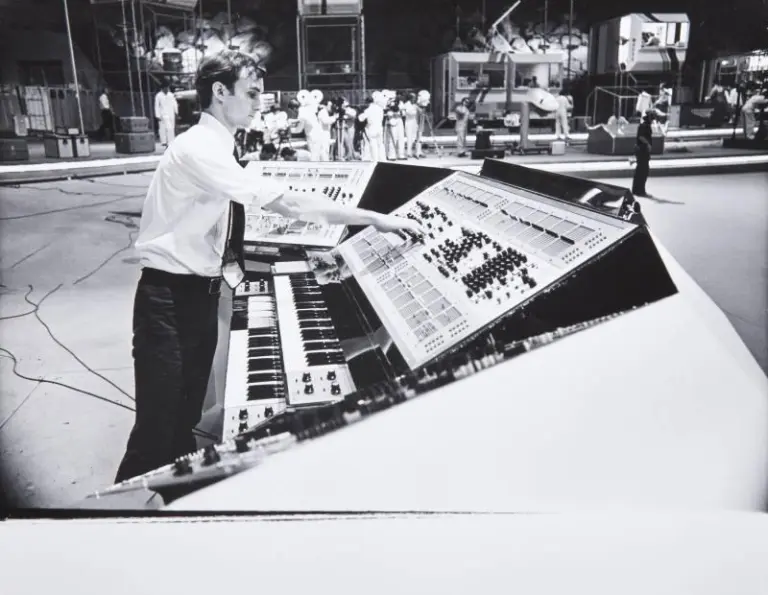
Alan Pearlman came from an engineering family — his father designed movie theater projectors, his grandfather made phonograph parts — and after WPI he spent years designing amplifiers for NASA’s Gemini and Apollo programs. His real turn came in 1969, when hearing Wendy Carlos’s Switched on Bach convinced him electronic instruments had a future in music.
He started a company that year, first called Tonus, then renamed ARP after his own childhood nickname. What followed — instruments like the ARP 2500 and ARP 2600 — ended up in the hands of Stevie Wonder and The Who, and on-screen in Spielberg’s Close Encounters of the Third Kind.
My Own Start with Synthesizers
My connection to this world goes back to the 1980s, when I worked at E.U. Wurlitzer, a music shop near Berklee College of Music in Boston. It was one of the stores where musicians actually went to try out synthesizers in person. ARP sat alongside newer names like Korg, Roland, and Yamaha, and it’s where I first got hands-on with this generation of instruments.
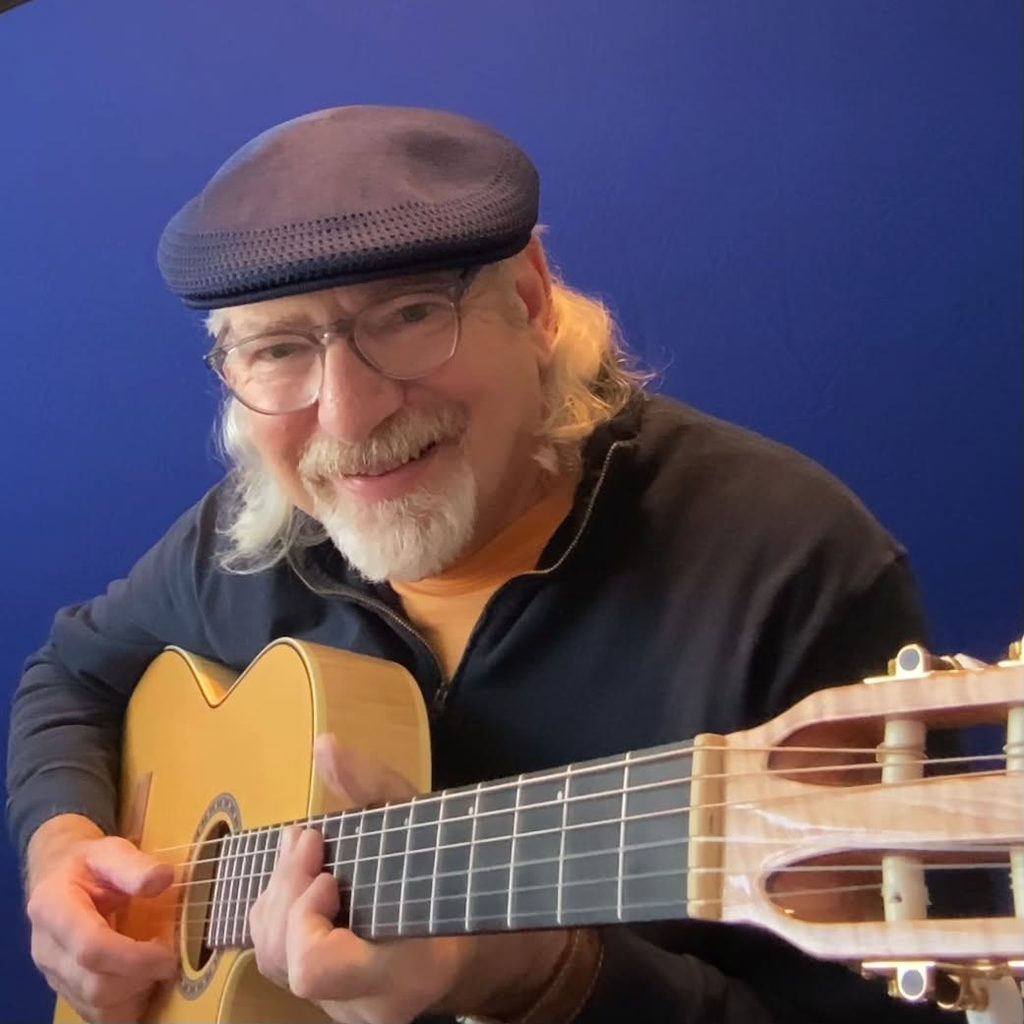
That job is also how I came to know David Mash, who today chairs the Alan R. Pearlman Foundation’s board and was, for years, senior vice president for innovation at Berklee, just down the street from where I was selling gear. Decades later, serving alongside him on the foundation’s board feels less like a coincidence and more like a story finally catching up to itself.
Why the Foundation Matters to Me
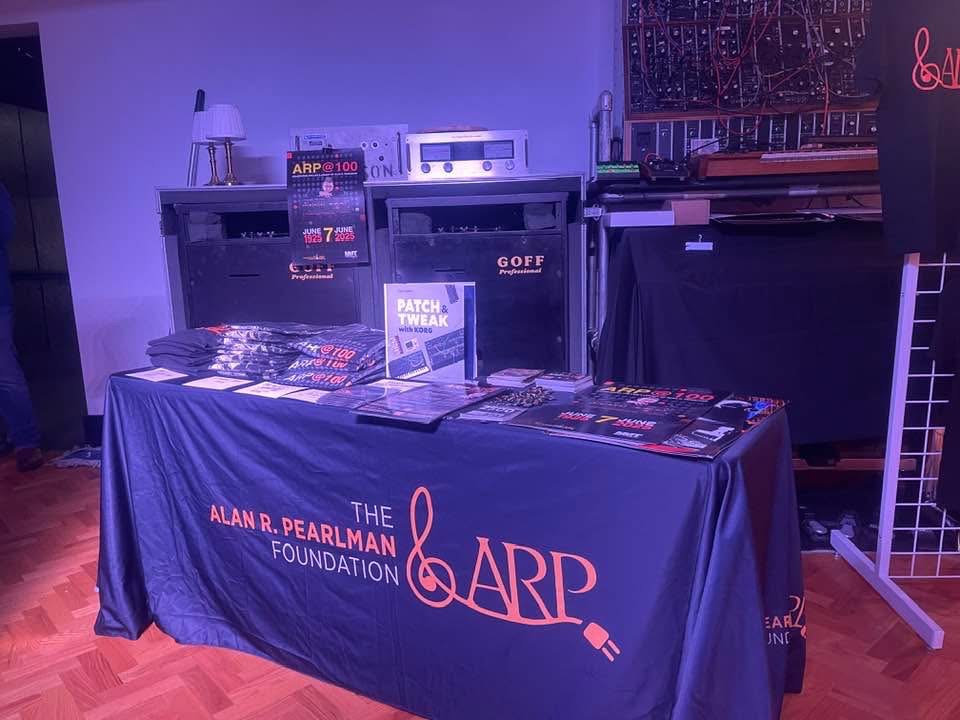
What drew me to the board wasn’t just the history, it was watching what the foundation does with it.
The ARPchives project has digitized more than 2,500 original articles, manuals, catalogs, and educational materials, and keeps growing.
The Residency Project puts working artists in front of the original instruments to make new music, not just study old music. And 2025, Pearlman’s centennial year, gave the whole community a real reason to celebrate through ARP@100 events.
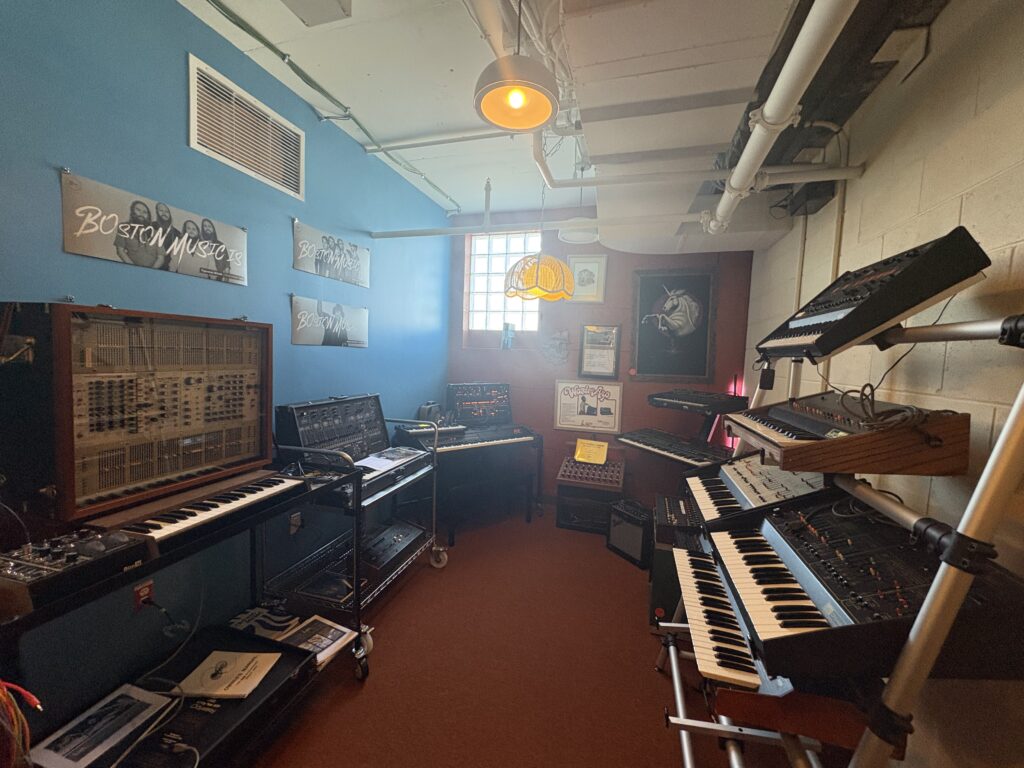
My favorite program might be ARPs for ALL, a partnership with The Record Co., a Boston nonprofit that makes studio time and music education affordable. It captures something I care about: getting rare, historically important instruments, including a publicly accessible ARP 2500, out of private collections and into the hands of musicians who’d otherwise never get to touch one.
Where MIDI Comes In
My other board seat feels less like a coincidence the more I think about it. Pearlman didn’t invent MIDI, but the instruments ARP built helped create the need for it. Once synthesizers left research labs and started showing up on tour buses and in working studios, musicians needed their gear to cooperate.
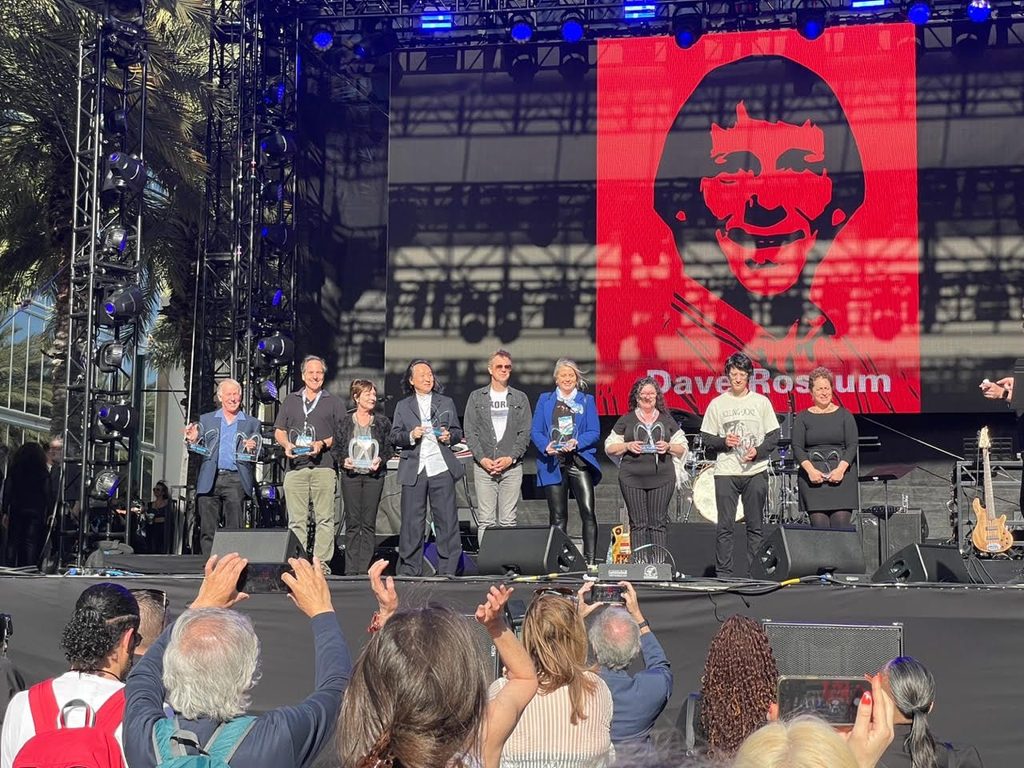
The MIDI Association recognized Pearlman’s role with a MIDI Lifetime Achievement Award in 2023, accepted by his daughter, Dina Pearlman. Chairman Katoh from Korg also recieved posthumous MIDI Lifetime Achievement Award that day (if you look closely you cna see the gentleman in the sunglasses has a Korg T shirt on.
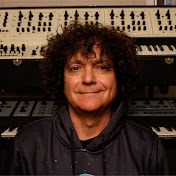
That connection carried into NAMM 2024, when Dina asked the MIDI Association to host composer Anthony Marinelli — whose synth work you’ve heard in WarGames and Stand by Me — for a live ARP 2600 demonstration at our booth. Watching teenagers who’d never touched a patch cable get their hands on the same instrument that helped define early electronic music is one of those moments that reminds you why this work matters.
https://midi.org/anthony-marinelli-and-the-arp-2600-at-the-midi-association-booth-namm-2024
Korg, ARP, and the Knot I Didn’t See Coming
Here’s the part that still surprises me when I say it out loud. The brands that sat next to each other on that Wurlitzer showroom floor back in the late 70’s and ealry 80’s didn’t stay separate.
I went from selling Korg gear at Wurlitzer to working at Korg as product planning manager, where I had a hand in the M1 — the workstation that went on to become the best-selling instrument of its kind.
Korg was also one of the manufacturers in the room during MIDI’s earliest days, part of the group of companies that agreed their instruments should talk to each other rather than compete on incompatible connectors. That decision is the whole reason the MIDI Association exists.
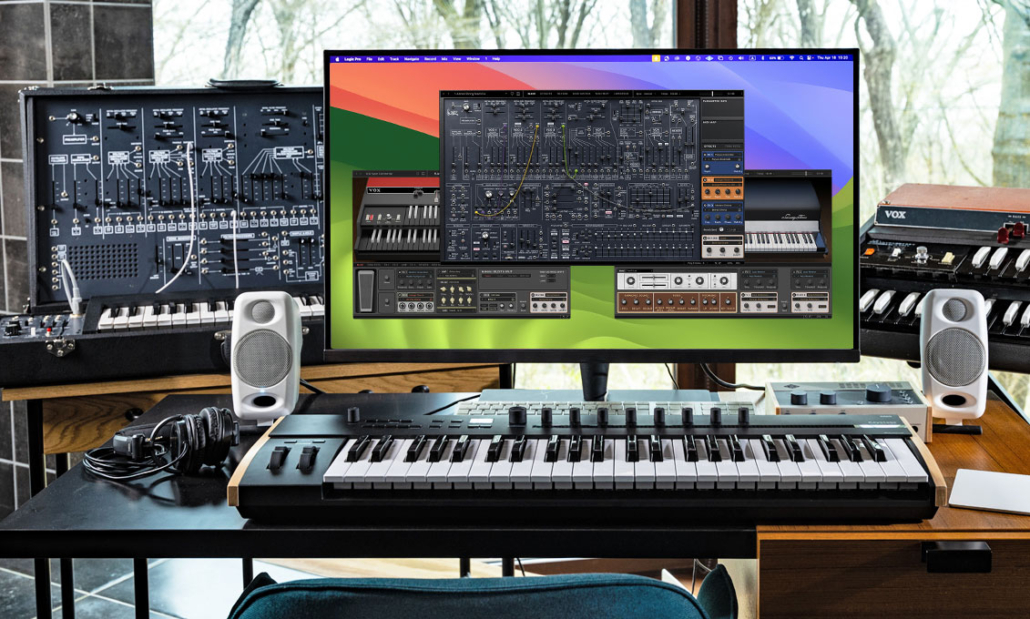
Decades later, Korg is also the company that brought ARP back. In 2015 it reissued the ARP Odyssey, developed in cooperation with David Friend, ARP’s co-founder and one of the Odyssey’s original designers. At NAMM 2020 came the full-size ARP 2600 FS, an unusually faithful reproduction of the instrument, followed later by the more compact ARP 2600 M. Korg also carries the ARP name into software with its Odyssey and 2600 plug-ins — which is why a Korg Collection bundle turns up among the perks in this very fundraiser.
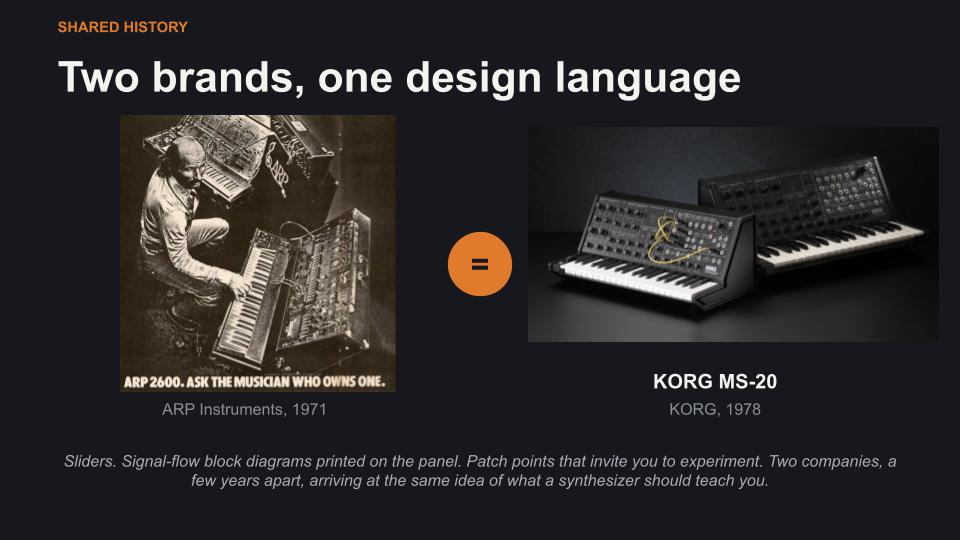
So the two boards I sit on aren’t parallel tracks.
They meet inside a company I spent years working for: one that helped make MIDI a shared standard, and that later put Alan Pearlman’s instruments back into production so a new generation could actually buy one.
A student patching a Korg-built 2600 today is using Pearlman’s design ideas and a communication standard Korg helped establish, in the same instrument, without thinking about either.
That’s the connection I keep coming back to, and it’s a large part of why serving on both boards feels like one job instead of two.
I always say the MIDI has been connecting people and products for decades and it certainly is true in my own life.
Which Brings Me to This Fall
Everything above is the reason the Foundation’s late summer campaign isn’t an abstraction to me. It runs August 18 through October 13, 2026, with a goal of $17,500, and it splits neatly along the same two lines I’ve been describing.
Preserve the legacy — $7,500 to the ARPchives. The centerpiece is a newly discovered collection of photographs taken inside ARP Instruments during the 1970s. That’s primary-source material that exists once. The same bucket covers an ARP String Ensemble, other rare artifacts, and video restoration.
Expand ARPs for All — $4,000 to the residency program. This is the part that puts instruments in educational venues, where students can patch a 2600 instead of reading about one.
Keep them playable — $6,000 for repair, restoration, and acquisition. Vintage electronics don’t maintain themselves, and an instrument nobody can turn on isn’t teaching anyone anything.
The synth community showed up for this one. Donation levels are named for ARP instruments — AXXE ($10+), OMNI ($50+), QUADRA ($100+), ODYSSEY ($250+), 2600 ($500+), and 2500 ($750+) — with perks contributed by Cherry Audio, Korg, Bjooks, Eversynths, Patch & Tweak, Anthony Marinelli, Lisa Bella Donna, Tom Rhea, and Nalini Vorges of Antonus/SynthCube.
Higher tiers include some genuinely rare offers: a Zoom class with Lisa Bella Donna at the 2600 level, and at the 2500 level, a day at the ARPs for All studios in Boston working on the actual ARP 2500.
There’s also a direct PayPal option for anyone who’d rather skip the perks and send the whole amount to the work.
A Personal Invitation
Pearlman was, by most accounts, a curious engineer who believed instruments should be expressive, then spent his career proving it. The foundation that bears his name, and the association that now helps preserve his instruments and archives, exist because people decided that story was worth continuing.
The campaign closes October 13.
If any of this resonates, that’s the most direct way to be part of the next chapter.
You can also spend some time in the ARPchives or look into the residency and outreach programs at alanrpearlmanfoundation.org.
And for the fuller technical history of ARP’s instruments, MIDI.org’s Alan R Pearlman and ARP Synthesizers is a great place to start.
Support the campaign: ARP Late Summer 2026 Fundraiser
Athan Billias grew up in Worcester, Massachusetts, and serves on the executive boards of both the Alan R. Pearlman Foundation and the MIDI Association.