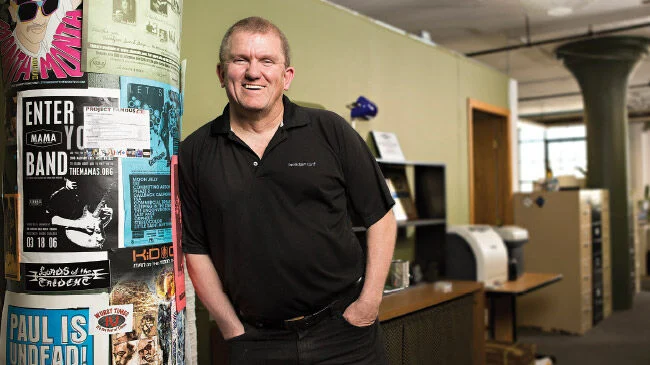

Roy Elkins has spent his professional life helping musicians solve problems that don’t always show up in glossy product announcements: how to get heard, how to find opportunity, and how to keep moving when the industry’s rules change. He has worked at landmark music-technology companies, collaborated with touring musicians connected to the Allman Brothers Band, founded one of the web’s longest-running independent-music platforms, and later created a festival-and-conference in Madison, Wisconsin that treats music as both art and a viable career path.
For the MIDI community, Elkins’ story is particularly relevant because it mirrors what MIDI has always been about: building connections.
MIDI connects instruments and computers; Roy Elkins has focused on connecting artists to resources, audiences, and sustainable business models.
Through Broadjam, he has also helped power the infrastructure behind major music-industry voting processes—including the NAMM TEC Awards and the MIDI Innovation Awards—quietly reinforcing trust in the programs that celebrate technology and creativity.

From the sales floor to the bigger picture
Roy was born and raised in Jackson, Michigan. It’s a small midwest town and Roy went to Vandercook Lake High School and then Jackson College studying music and mathematics and graduating in 1980. Roy had grown up without a lot of money and his dad passed away when he was 19 leaving Roy wondering what he was going to do with his life.
He loved music, but he was also really good at bowling.

In fact he was so good he was invited to join the PBA tour.


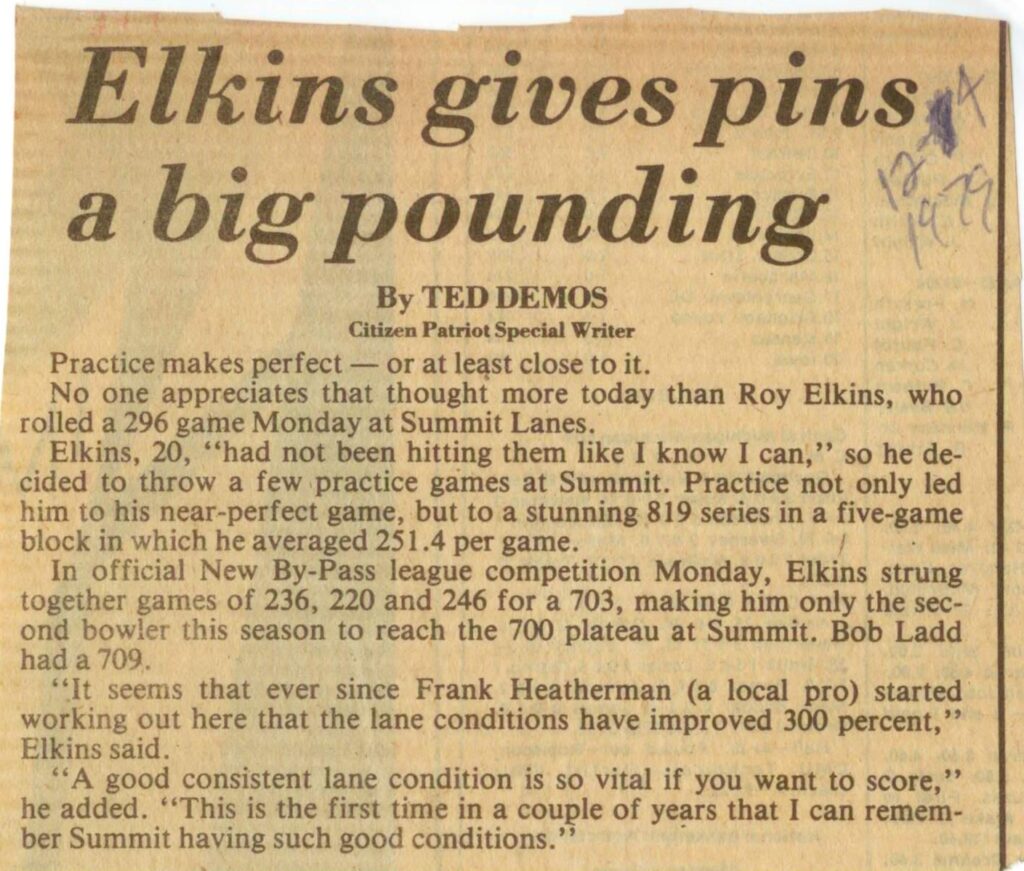

Roy was a professional bowler out of Summit Lanes and when he was offered the chance to move to Memphis, work in a bowling alley and potentially manage the business, he jumped at the chance.
The Move To Music
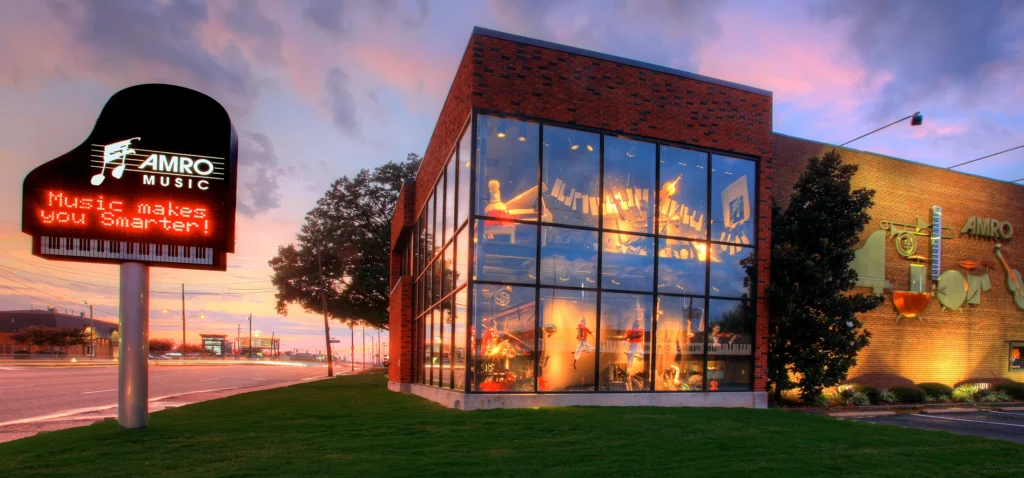
But the pull of music was too strong so when Roy noticed an advertisement for a guitar salesman position at Amro Music, applied, and got hired.
In his NAMM Oral History program, Elkins describes getting an early start in the music business through hands-on, people-facing work.
Reference: NAMM Oral History: Roy Elkins
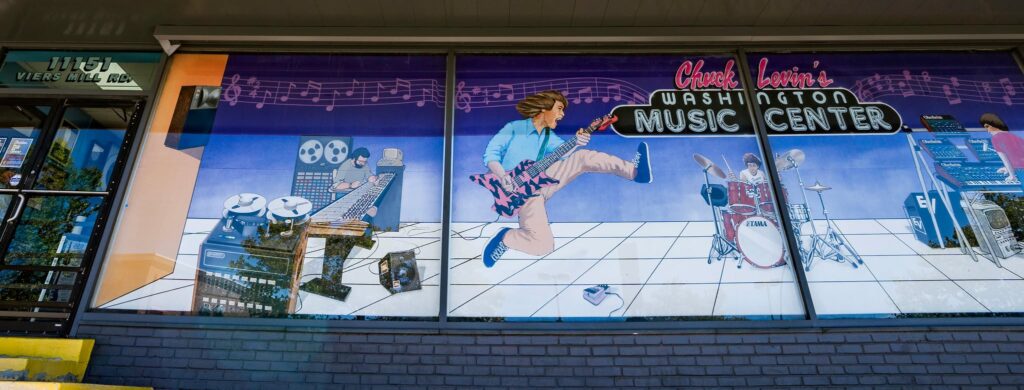
He later worked at Chuck Levin’s Washington Music Center—another well-known hub for working musicians and serious gear buyers.
Those early roles are easy to overlook compared to “founder” titles and executive credits, but they shaped a worldview: technology matters only when it serves the musician on the other side of the counter.
And that mindset helps explain why, throughout his career, Elkins keeps returning to education—training users, building communities of practice, and creating systems that make the “after the song is finished” part of the job more realistic.
Ensoniq: training, artist relations, and the value of real-world workflows
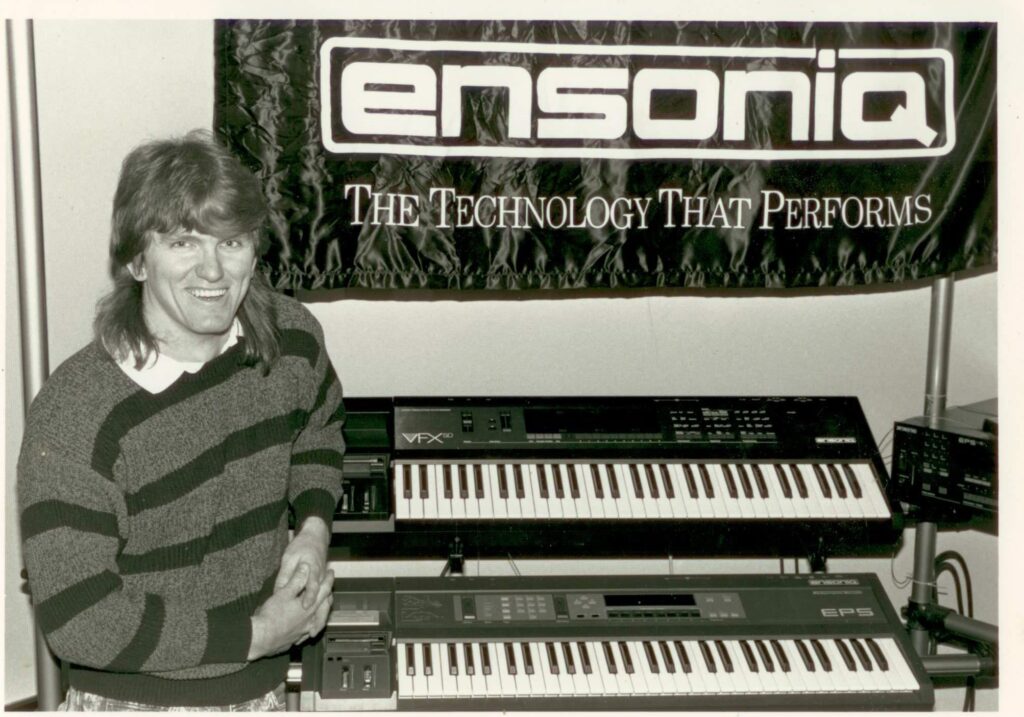

Elkins’ move from retail into manufacturing put him in the middle of a defining era for keyboards, samplers, and workstation workflows. A detailed speaker biography published by Synthplex describes his early career at Ensoniq Corporation, where he served as Director of Training and Artist Relations. The same biography credits him with founding “The Ensoniq School,” a training program that the profile notes is still regarded as one of the best in the instrument business.
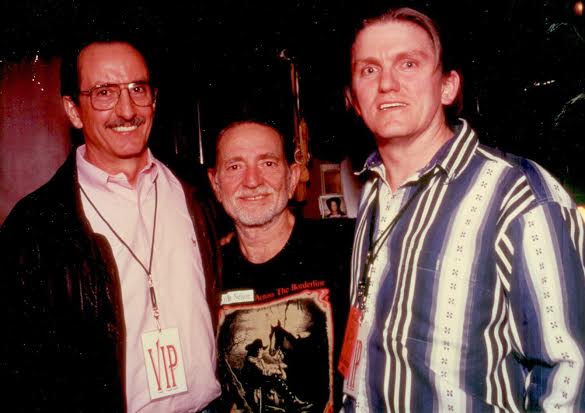
That combination—training plus artist relations—matters. Training is about clarity: translating features into workflows. Artist relations is about empathy: listening to musicians’ lived experiences and turning that into product understanding. Together, they make a kind of “feedback loop” that good music technology needs, especially when instruments become more computer-like and musicians need better guidance to unlock what the tools can do.
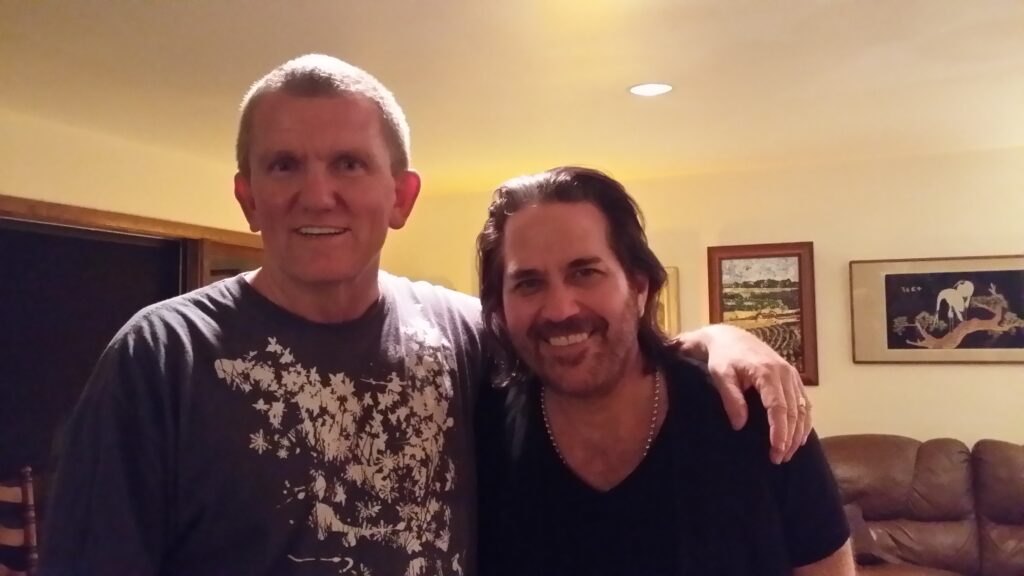
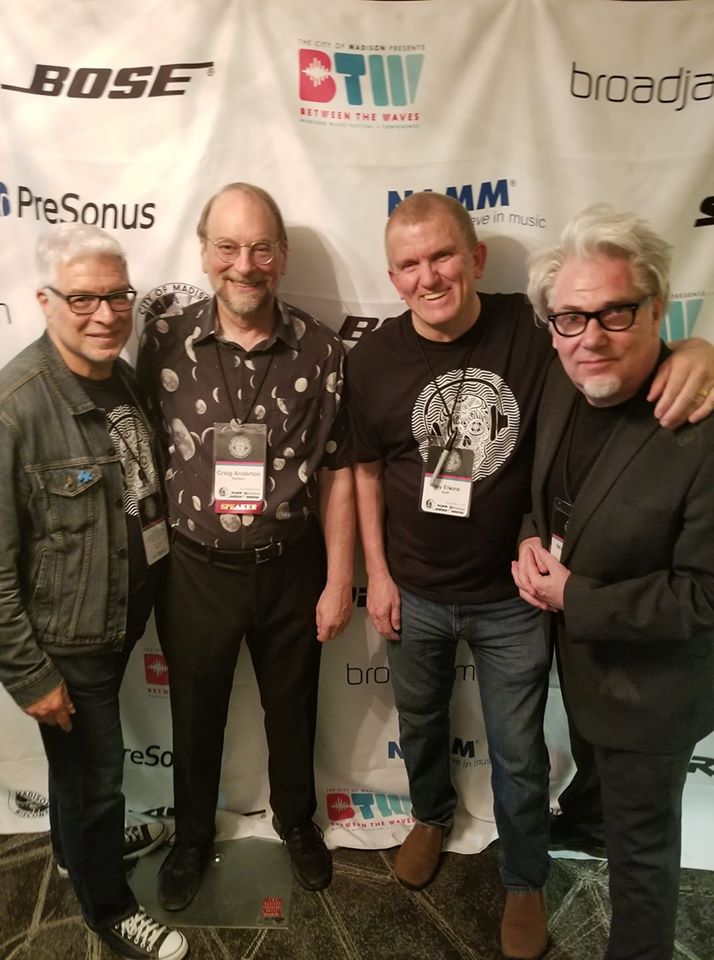
Here is a gallery of Roy with well known people showing the amazing breadth of his relationships with artists of all kinds.



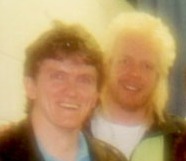
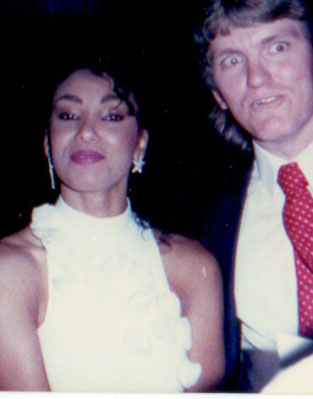
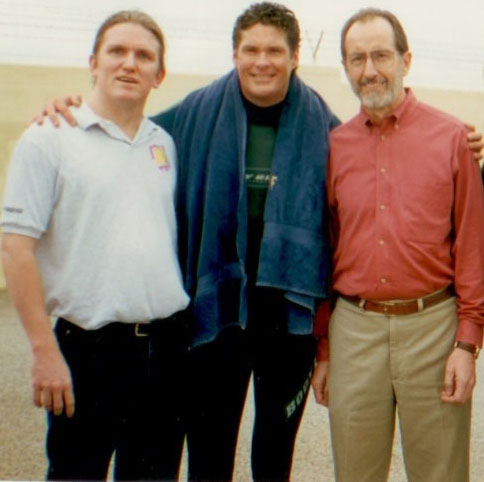
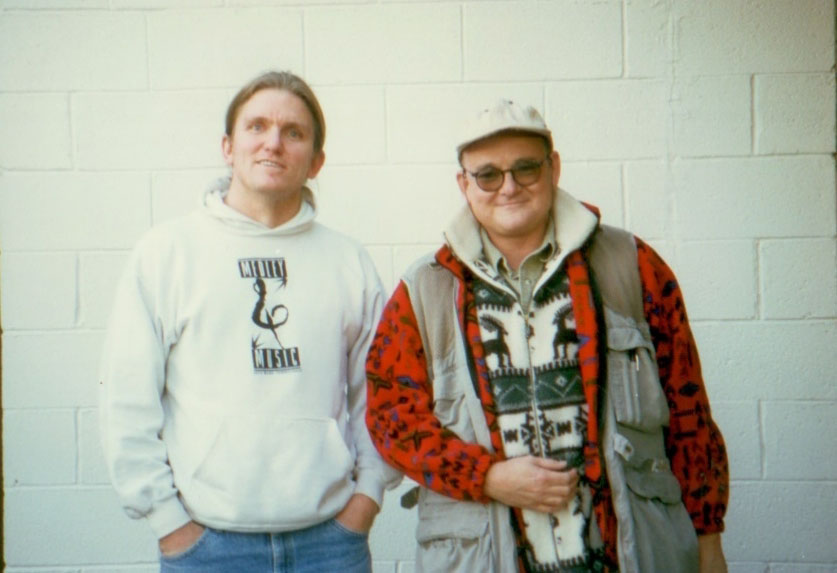
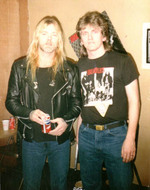


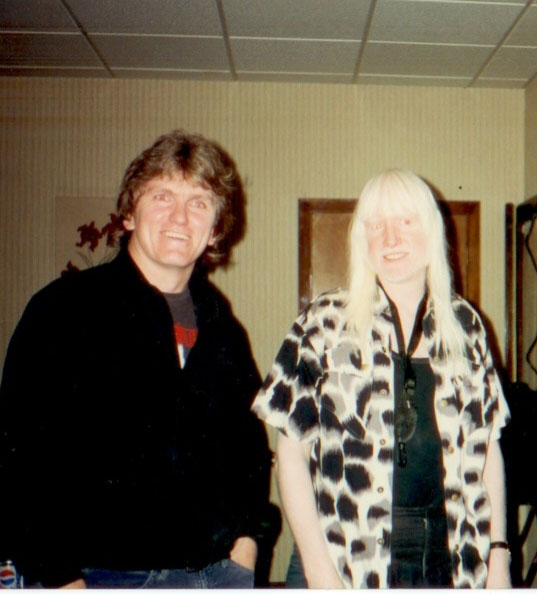
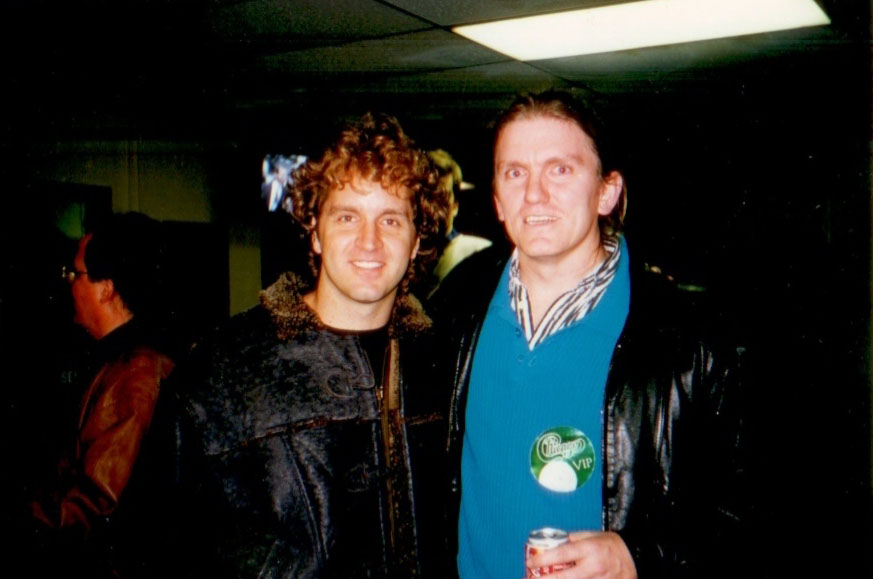
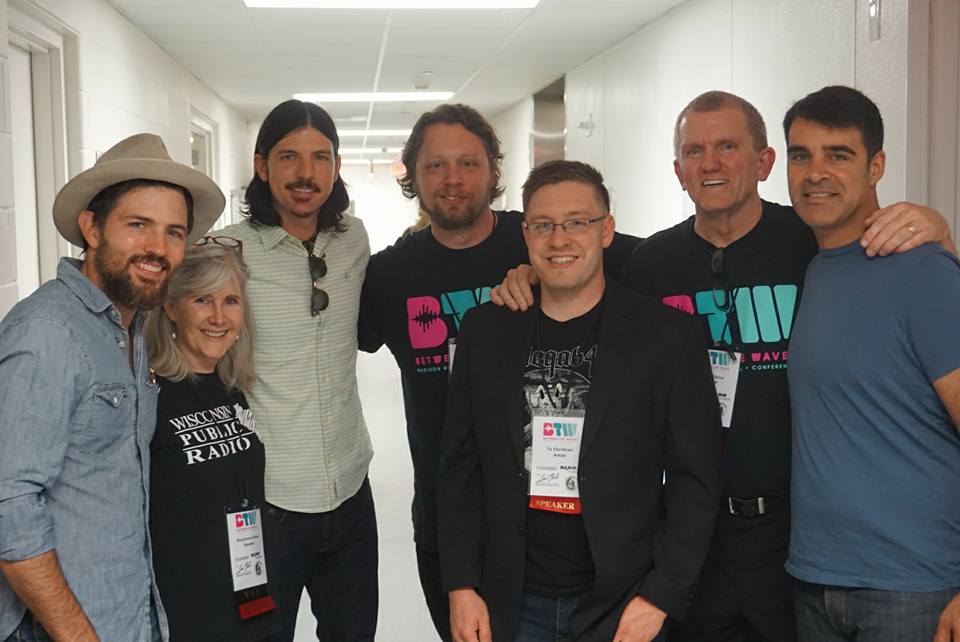
Roy produced the video for the Ensoniq ASR10
The ARTists OF VERSION 2 Produced by: Roy Elkins
Starring in order appearance: Jazzy Jeff, Edgar Winter, Randy Jackson, David Was, Steve Altman, John Lilley (Hooters), Boyz II Men, Allen Burke and John Edwards (Spinners). Special Appearance By: Dick Vitale, Bill Walton, Evander Holyfield, Kareem Abdul-Jabbar. Music By: Jazzy Jeff, Edgar Winter, Allen Burke, Roy Elkins, John Lilley, Boyz II Men.
Shot on Location at: Cherokee Studios and Saturn Sound, Los Angeles; Studio Instrument Rentals, New York; A Touch of Jazz, Philadelphia; John Lloyd Music, Philadelphia.
Roy talked about his relationship with Bill Walton (basketball star and musician in a FaceBook post.


Reference: Synthplex speaker bio (Roy Elkins section): Synthplex Speakers List
Sonic Foundry and the rise of modern computer-based music production

After Ensoniq, Elkins moved into the software era. The same Synthplex biography describes him as Vice President of Sales and Marketing at Sonic Foundry, with responsibility for launching several products—including the “groundbreaking” Acid product line. For many musicians, Acid and similar tools were part of the shift toward loop-based composition and the broader normalization of the DAW as an instrument.
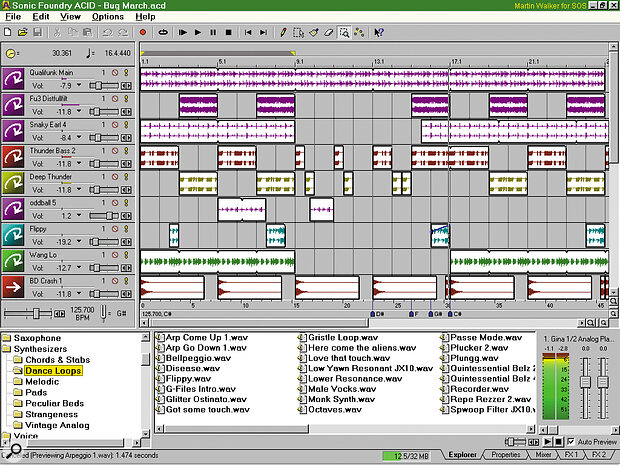
Even for artists who didn’t use Acid directly, the wave of workflow innovation around that time helped reshape how music was composed, arranged, and shared—often on the same home computers that were also becoming musicians’ primary communication tools.
Elkins’ career arc here is important: he wasn’t just “around” as music moved to computers—he worked on the business and market side of getting those tools adopted. That insight—what musicians will pay for, what they struggle to learn, and what makes a product feel empowering instead of intimidating—shows up again in what came next.
Reference: Synthplex speaker bio (Sonic Foundry/Acid mention): Synthplex Speakers List
Broadjam: a family-founded platform built for independent musicians

In September 1999, Roy Elkins and his wife, Stephanie Essex Elkins, co-founded Broadjam, Inc. in Wisconsin. A 2007 feature in Isthmus describes Broadjam as one of Madison’s notable contributions to the digital revolution that reshaped the music industry, emphasizing that the company was formed by Roy (described as a seasoned music-technology entrepreneur) and Stephanie (described as a former corporate sales and marketing executive). That same Isthmus article frames Broadjam as a web-based set of promotional tools and services for independent musicians—an early example of an online platform designed not just for listening, but for helping artists build momentum.
Stephanie’s own biography expands that story in a way that highlights Broadjam’s “family and team” character.
On her official bio page, she describes co-founding Broadjam with Roy in 1999, running many of the day-to-day operations as Vice President of Operations through 2006, and overseeing key functions such as marketing, customer service, HR, accounting, and legal. The same biography notes that Broadjam provides technology and services to industry clients, with clients that have included the Academy of Country Music, Warner/Chappell, Yamaha, and others—evidence that Broadjam’s capabilities extend beyond an artist community into trusted B2B infrastructure.
In other words, Broadjam was not built as a “hobby site.” It was built as working infrastructure for working musicians.
Over time, that infrastructure expanded: the NAMM Oral History summary notes that Broadjam evolved from hosting musician websites into licensing services for clients’ music in film and television—an especially meaningful path for independent artists looking for sustainable income streams.
References:
• Isthmus (2007), “One-stop shopping”: Madison’s Broadjam helps musicians spread the word over the web
• Stephanie Essex Elkins bio: Business bio / Broadjam operations
• NAMM Oral History: Roy Elkins
Behind the scenes: building trusted voting systems at industry scale

One of the most “invisible” contributions Broadjam makes to the music and pro-audio world is also one of the most consequential: helping ensure that votes are counted fairly, securely, and at scale. On MIDI.org, Broadjam’s partner page states that Broadjam handles voting for the Academy of Country Music Awards, the NAMM TEC Awards, and the MIDI Innovation Awards (among other events).
In practical terms, this is the kind of systems work that must be reliable for the community to trust the results.
On the TEC Awards side, public-facing TEC materials reinforce this relationship. The 2026 TEC Awards finalists page includes a clear note that voting is “secure and powered by Broadjam,” and the ballot itself is hosted on Broadjam’s voting portal. That’s not just a technical detail—it’s a signal of confidence in Broadjam’s ability to run a complex process with integrity and usability for the voting community.
References:
• MIDI.org partner page: Broadjam (MIDI Partner)
• TEC Awards finalists page (2026): The 2026 Finalist Guide / voting note
• TEC Awards voting portal (Broadjam-hosted): TEC Awards Voting Portal
“Friends in the industry”: the Allman Brothers connection through Johnny Neel
Elkins has long maintained a practical connection to working musicians and sessions—often through friendships. One publicly visible example is his connection to Johnny Neel, the keyboardist, songwriter, and band member known for touring with the Allman Brothers Band. Straight Up Sound Studio has shared video content featuring Roy Elkins discussing work with Johnny Neel in the studio, reflecting Elkins’ continued involvement as a collaborator and music-world connector, not only a technology executive.
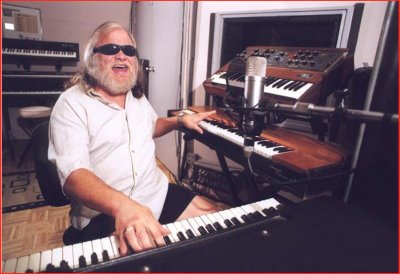
This matters because it illustrates a pattern: Elkins’ credibility comes from being part of musicians’ real workflows. That authenticity shows up in the kinds of advice he later put at the center of Between the Waves—practical, detailed, sometimes blunt, and always rooted in what artists actually face when they try to build a life in music.
Reference: Straight Up Sound Studio video (Roy Elkins & Johnny Neel): Roy Elkins talks about working with Johnny Neel
Breakout: Community, Service, and Giving Back — Roy Elkins and The MAMAs

Following his leadership and service with the Wisconsin Area Music Industry (WAMI), Roy Elkins extended his commitment to artist advocacy and community building through volunteer work with The MAMAs (Madison Area Music Association), a nonprofit organization dedicated to supporting and celebrating Madison’s vibrant and diverse music ecosystem.
The MAMAs play a critical role in the Upper Midwest music community by recognizing artistic achievement, fostering professional development, supporting music education, and advocating for independent musicians at every stage of their careers. Elkins’ involvement with the organization reflects a consistent theme throughout his career: meaningful innovation is inseparable from community service.
Through his volunteer efforts with The MAMAs, Elkins has contributed to initiatives that elevate independent artists, strengthen local music infrastructure, and create opportunities for collaboration across genres and disciplines. His work has supported events, educational programming, and recognition platforms that help artists gain visibility while remaining rooted in their local scenes.
Importantly, Elkins brought a technologist’s perspective to his service. With deep experience in music software, digital distribution, and online community platforms, he helped inform conversations around how emerging technologies could be used responsibly to empower artists rather than displace them. This included thinking critically about discoverability, fair access to tools, and sustainable career paths for musicians navigating a rapidly changing industry.
The MAMAs’ mission aligns closely with values that have guided Elkins throughout his professional life: collaboration over competition, education over gatekeeping, and long-term ecosystem health over short-term success. By volunteering his time and expertise, Elkins helped bridge the gap between grassroots music communities and the broader technology-driven music industry.
This chapter of his career underscores an often-overlooked aspect of innovation: it does not happen in isolation. Standards like MIDI, platforms for music creation, and advances in technology only realize their full potential when paired with strong communities that nurture creativity, diversity, and mutual support.
Roy Elkins’ work with The MAMAs stands as a reminder that the future of music depends not only on new tools and ideas, but on people willing to invest time, care, and leadership into the communities those tools are meant to serve.
Between the Waves: Madison’s DIY conference-and-festival experiment

If Broadjam is Elkins’ “internet infrastructure” chapter, Between the Waves (BTW) is the local, human-scale counterpart.
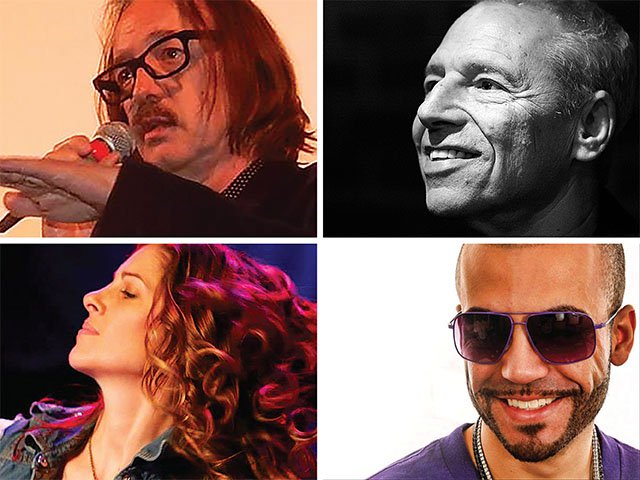
In 2017, Isthmus profiled BTW as a festival and conference for DIY artists, noting that Elkins—“the Madison-based founder of Broadjam”—invited friends and colleagues to Madison for the inaugural event at the University of Wisconsin’s Gordon Dining and Event Center. The article makes the ambition clear by listing the breadth of the lineup: producers and artists as diverse as Butch Vig, Ben Sidran, Beth Kille, DJ Pain 1, and Kip Winger. That kind of cross-genre roster was an intentional statement: the “music business” isn’t one lane anymore, and independent artists need tools that work across scenes.
The conference sessions were designed to confront the unglamorous parts of the job, with topics like “Yes, Your Band Is a Business,” workshops on publishing and licensing, and practical coaching on booking and merch. Isthmus quotes Elkins on an all-too-common reality: musicians want to write and record, but “the hard work begins after the music is done.” It is the kind of line that makes artists laugh, then wince, then nod—because it’s true.
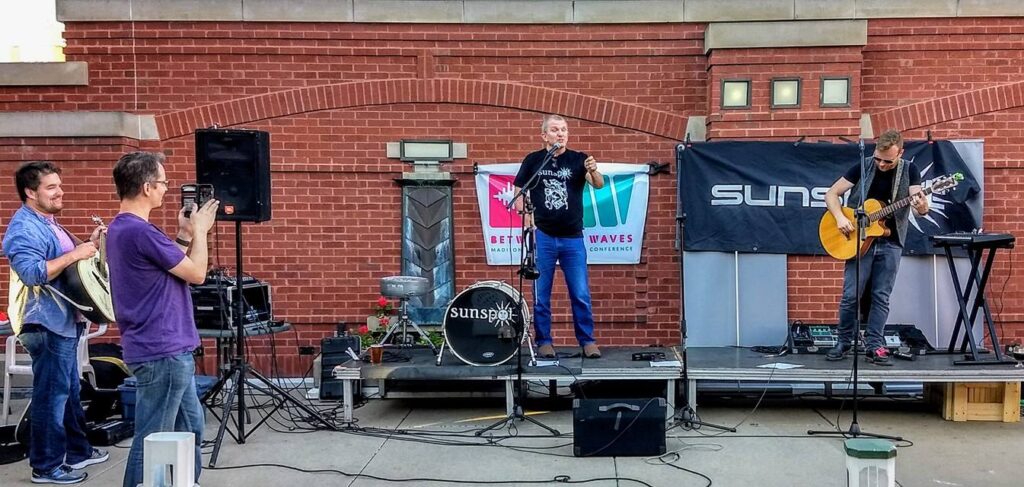
BTW continued to evolve. A 2019 feature in Tone Madison describes Between the Waves as a city-sponsored music conference and festival aimed at teaching musicians business skills and elevating Madison as a destination for music fans. That article also describes expanded partnerships intended to make the programming more inclusive and more reflective of how communities and institutions shape opportunity—an important step beyond purely “individual hustle” narratives.
References:
• Isthmus (2017), “Make a living making music — right here”: Between the Waves festival & conference profile
• Tone Madison (2019), “Between The Waves takes a promising turn”: BTW 2019 programming and expansion
• Between the Waves Facebook (photos & updates): BTW Madison WI
Local leadership: building institutions, not just events

Community building is a recurring thread in Elkins’ story, and it extends beyond BTW. In November 2024, the Wisconsin Area Music Industry (WAMI) announced Roy Elkins as its new president, describing him as founder and CEO of Broadjam and noting that he succeeded Jason Klagstad after Klagstad’s term. WAMI’s work—supporting Wisconsin music through recognition, networking, and professional development—aligns naturally with Elkins’ decades-long focus on helping artists not only create, but thrive.
Even when these roles don’t look like “technology,” they matter for music technology communities: the best innovation ecosystems are built on relationships and venues where artists, educators, and businesses can meet. WAMI, BTW, and Broadjam all represent different layers of that same system.
Reference: WAMI press release: Roy Elkins elected WAMI president
Roy Elkins and The MIDI Association: advisory leadership and practical support

The MIDI community often experiences “association work” through specs and announcements, but the underlying mission is bigger: education, outreach, and connecting creators to the companies and technologies they use. Elkins has been part of that mission since the earlier days of The MIDI Association’s expanded public outreach.
In 2016, MIDI.org published an announcement stating that The MIDI Association formed prestigious advisory groups. The article lists Roy Elkins (CEO at Broadjam) among the advisory team members and describes the team’s role in setting direction, developing marketing and social media initiatives, and interfacing with funding sources. That kind of work is less visible than a new product launch, but it is the engine that helps an organization reach and serve a broader, more diverse global community.
Elkins’ connection to The MIDI Association also shows up directly in Broadjam’s own profile pages. Broadjam’s Roy Elkins artist/profile page states that he serves on the boards of the Milwaukee Area Technical College Music School and the MIDI Association—linking his community work back to education and standards advocacy.
And perhaps most concretely for MIDI.org readers: The MIDI Association has publicly described Elkins as a supporter at NAMM, and it has described the Broadjam team’s expertise in running votes for events—including the TEC Awards and the MIDI Innovation Awards.
In the same way MIDI enables interoperable musical communication, Broadjam’s voting infrastructure enables interoperable community participation: many voices, many categories, one trusted process.
References:
• MIDI.org (2016): The MIDI Association Forms Prestigious Advisory Groups
• Broadjam profile note (boards incl. MIDI Association): Roy Elkins on Broadjam
• MIDI.org (NAMM/HipHop@50 article noting Broadjam voting work): HipHop@50 Events at April NAMM 2023
What his story says about the future of music tech
It’s tempting to view the music industry as a sequence of “eras”: hardware era, software era, streaming era, AI era, and so on. But Roy Elkins’ career suggests a more practical interpretation: the tools change, but artists still need stable pathways. They need education, honest feedback, and networks that turn isolated efforts into real opportunity. The internet didn’t remove the need for relationships—it made relationships scale, and it made trust and process even more important.
Broadjam’s longevity is a clue. A platform doesn’t survive for decades in the music world by accident. It survives by being useful to musicians and credible to partners. Between the Waves’ story is another clue: in a time when artists can post a song globally in seconds, local scenes still need gatherings—places where people share what works, and where the “business of being an artist” becomes less mysterious and less lonely.
The MIDI community has a similar challenge: MIDI 2.0 is technically powerful, but adoption depends on people understanding it and trusting it. That’s why Elkins’ approach resonates: his work isn’t only about features; it’s about enabling participation. Whether that participation is a musician learning how to license a song, a community voting on the technologies they believe deserve recognition, or a city building a stronger music ecosystem, the underlying goal is the same—make it possible for more creators to create.
Suggested photo links (verify rights before embedding)
- NAMM Oral History: Roy Elkins (page includes photos)
- Isthmus (BTW 2017) article image
- Tone Madison (BTW 2019) photos in article
- Between the Waves Facebook (photo/video library)
- Straight Up Sound Studio video featuring Roy Elkins
Sources and further reading
- Broadjam – MIDI.org partner page (voting for TEC Awards and MIDI Innovation Awards)
- TEC Awards finalists page (notes Broadjam-powered voting)
- TEC Awards voting portal (hosted by Broadjam)
- MIDI.org advisory groups announcement (includes Roy Elkins)
- Isthmus (2007): Broadjam formed in 1999 by Roy and Stephanie Essex Elkins
- Stephanie Essex Elkins bio (Broadjam operations and client mentions)
- WAMI: Roy Elkins elected president (2024)
- https://www.youtube.com/watch?v=bs3lC2aj4D8
Uncategorized
Great People Along The Way written by Roy Elkins
Great People Along the Way by Roy Elkins

I have been fortunate to work with and meet some of the great people in technology and the music industry. I began my music career as a musician in Michigan and ended up working at Amro Music store in Memphis, Tn. Amro is a family owned store with strong values and run by an amazing group of people, the Averwaters. Chip Averwater eventually became the Chairman of the National Association of Music Merchants, the organization that represents music retailers. He is a well-respected leader in the industry.

At the request of ENSONIQ Corp, I moved to the legendary Chuck Levin’s Washington Music Center in Wheaton, Md. At the time, this store was the largest single location of any music instrument store in the world. Along with their father and mother, the store was run by Robert and Alan Levin. Very hardworking folks who put lots of hours in making their business run.
I moved onto ENSONIQ Corporation in Malvern, Pa. Several folks assisted in that transition including Dan Garrett, Bob Stillman, Bruce Wismer and Steve Coscia. My first boss was Rob Weber who has been successful in numerous ventures since leaving ENSONIQ. As we grew, I worked for numerous individuals including Jeff Hasselberger (Phenomenal creative mind), Roland Hanson (Incredible strategist), Ray Whelan (Get it done guy), Dan Garrett (Great thinker and problem solver), Steve Claflin (Highly technical thinker), Bob Papke (Strong leader and gets along with everyone) and a brief time directly for the founder of the company, Bruce Crockett (an exemplary leader). I am very thankful to have the opportunity to learn from all of them.
A transition back to the Midwest where I worked with Rimas Buinevicius, CEO of Sonic Foundry and the two founders, Monty Schmidt and Curt Palmer to help build one of the great entities of the music software business. Sound Forge, Acid and Vegas are the products that we launched and are still well respected by whoever used them. We had an incredible run together.
I started Broadjam with my wife in 1999 to help songwriters have a place on the web. I have worked with some amazing people during the tenure with Broadjam including Matt Thompson, Anthony Del Ciello, Mike Huberty, Kyna Ganshert, Jon Aguilera, Erin Graham, Matt Shinker, Dave Eickhorn, Tibby Torhorst, Dan DeRubeis, Ken Hawkins, Greg Gray, Donny Neufuss, Kurt Maleug, Jeff Muendel, Brian Cunningham, Ian Atkin, Sheena Tesch, Joe Amstadt, Dan Naab, Matt Lea, Steve Davis, Kyle Maresh, Jesse Spohn, John Ostlund, Sean Laurent, Jack Thompson, Victor Backunovich, Birk Cooper, Galen Eckland, Ken Fitzsimmons, Leslie Gavin, Colleen Mullin, Craig Parsons, Al Hawkins, Brent Hoffman, Jason Weaver, Mike Leger, Dennis Anderson, Heather Abney, Shane Tracy, Ed Muir, Bill Steinberg and I’m sure I forgot to mention someone. My apologies. We have an amazing community of musicians who make everyday a worthwhile venture for us.
My goal with this blog is to recognize some of the good people I’ve met and worked with along my journey and some others as well.