Modern synthesizers are powerful, expressive instruments, but they are often built around visual feedback. Screens, menus, LEDs, soft buttons, and multi-function controls can make it difficult or impossible for blind and low-vision musicians to fully explore, program, and perform with electronic instruments independently.
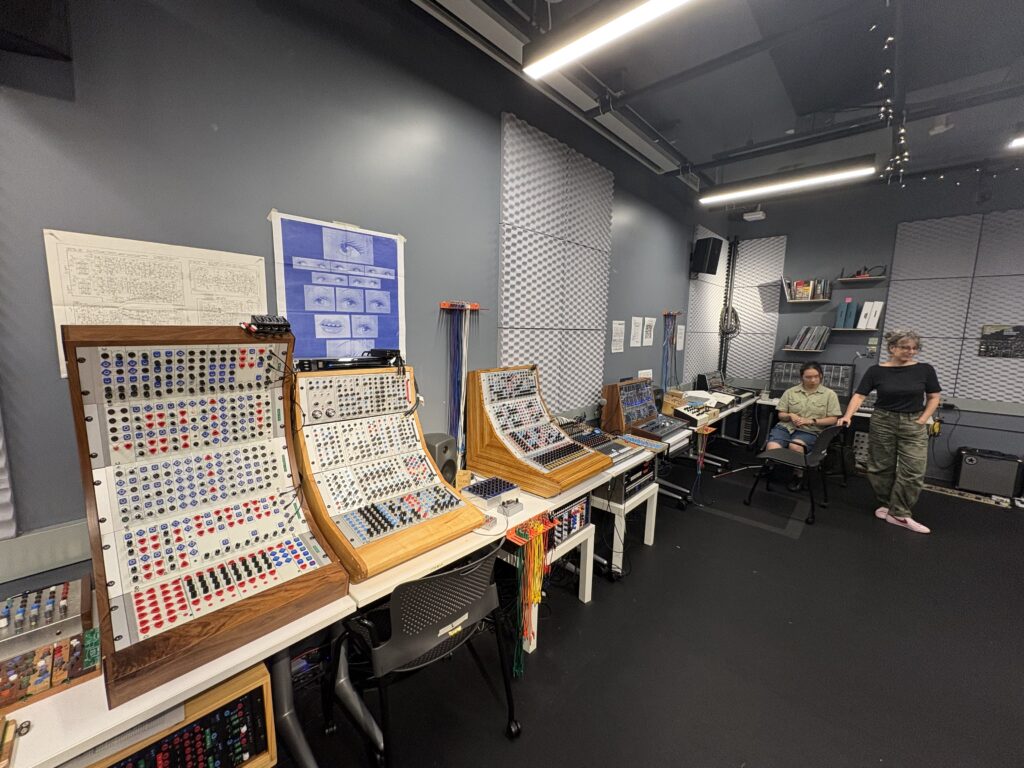
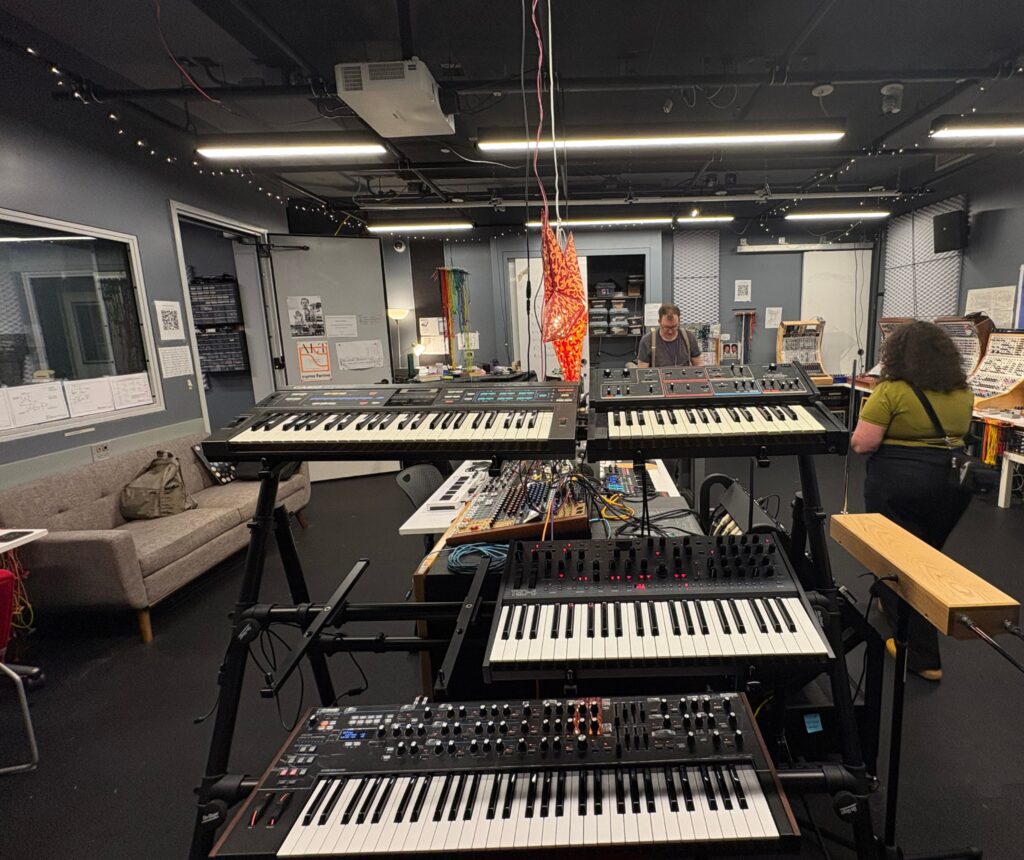
Researchers and artists connected with the SynthAccess project at New York University are working to change that. Developed through NYU’s Ability Project and Integrated Design & Media program at the Tandon School of Engineering, SynthAccess is an open-source initiative focused on making synthesizers and other music technology more accessible to blind and low-vision musicians.
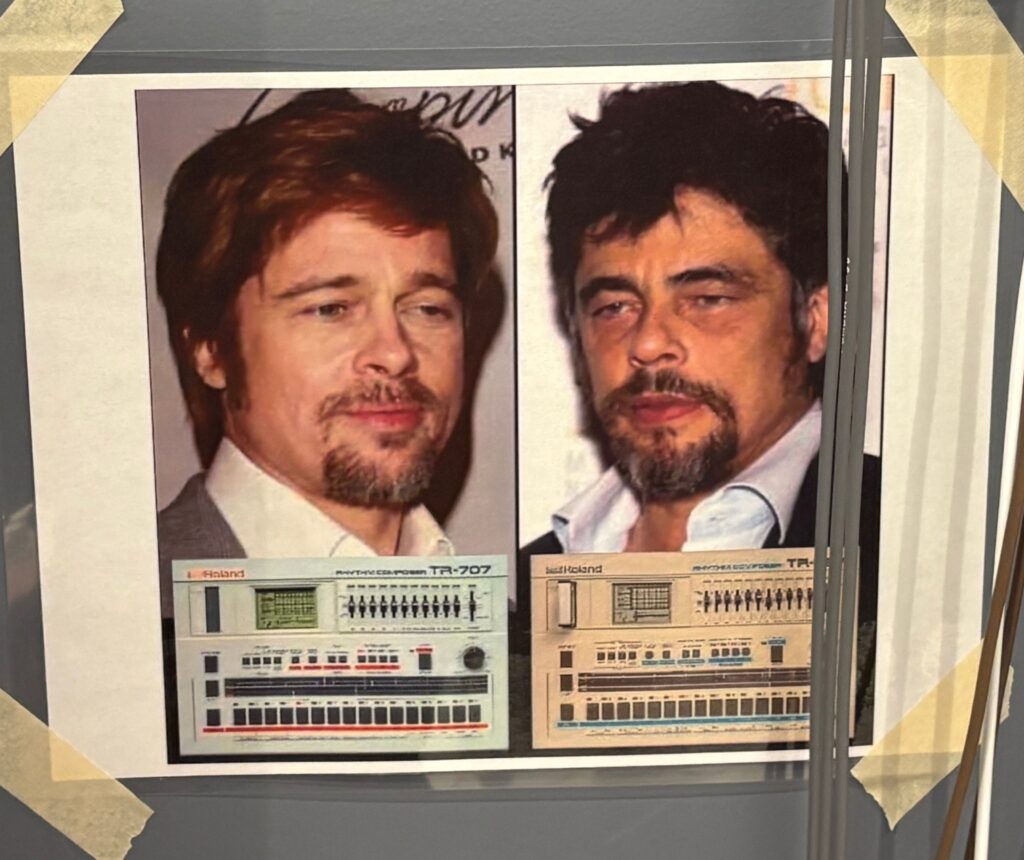
If the Roland TR909 and TR707 were actors
MIDItoSpeech: Turning Synth Controls Into Spoken Feedback
One of the most important parts of the SynthAccess effort is MIDItoSpeech, a software system designed to “speak” the parameters of a synthesizer or other MIDI-enabled music device as the performer touches or moves controls. In the above video, Maddy Mau, a grad student at NYU explains how the system works.
The idea is simple, powerful, and very MIDI-centered. When a musician turns a knob, moves a slider, changes a program, or adjusts a parameter, the synthesizer can transmit MIDI data. MIDItoSpeech listens to that data and translates it into spoken information, such as the name of the parameter, its current value, or a meaningful description of the setting.
The project includes both a Max/MSP and Max for Live approach, as well as a web-based version using the Web MIDI API. It also uses community-driven JSON device files that describe how specific synthesizers map MIDI Continuous Controller, NRPN, and Program Change messages to human-readable labels, values, ranges, and enumerated settings.
This approach is especially important because it does not require every instrument to be redesigned from scratch. If a synthesizer already sends useful MIDI data when its controls are moved, software can listen to that data and provide accessible spoken feedback. That means MIDI can become a bridge between existing hardware and new accessibility tools.
Beyond Speech: Tactile Guides, Braille Overlays, and Modular Accessibility
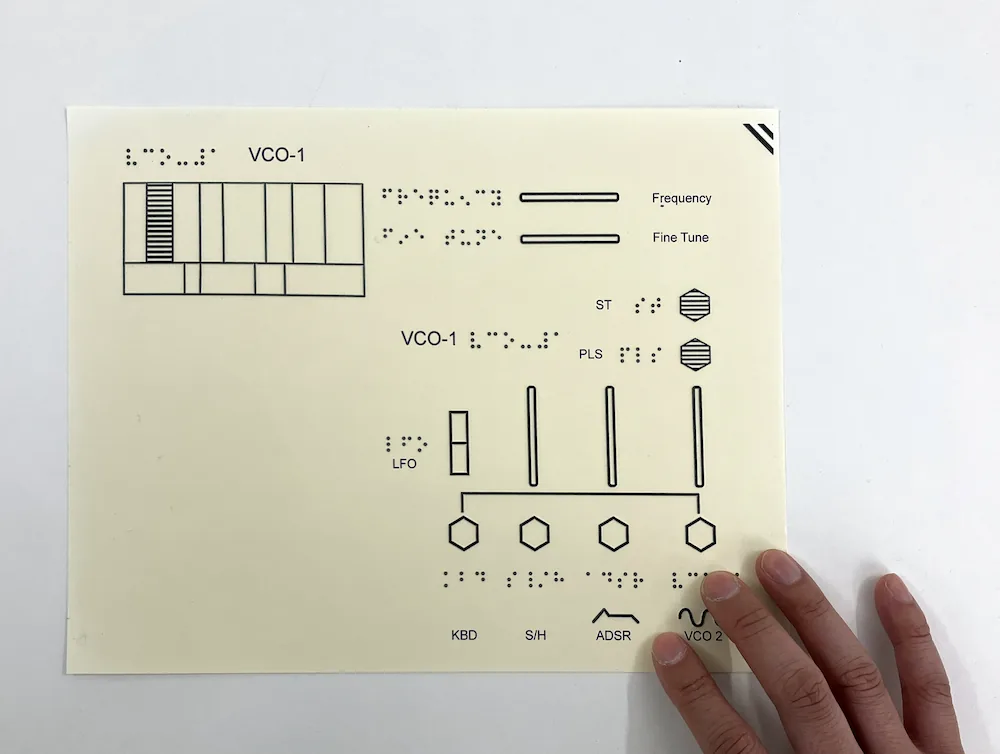
SynthAccess is not only a software project. The NYU team is also exploring physical and tactile approaches to accessibility. The project includes tactile synth guides, braille overlays, and tactile modular resources designed to help musicians understand instrument layouts by touch. In the video above, Stephanie Koseff from NYU explains this part of the accessibility project. Stephanie and Maddy will be presenting at the NIME conference on Wednesday morning 6/24/2026.
Image credit: Stefanie Koseff; Madeline Mau; Moira Zhang; Ciarra Black; Jason Wallach; Izabella Rodrigues; Punya Aragula; R. Luke DuBois; William Payne
This is an important complement to speech feedback. For many musicians, access is not a single feature. It is a complete experience that combines touch, sound, memory, layout, spoken information, and musical practice. A tactile overlay can help a musician find a control. MIDItoSpeech can then confirm what that control does and how it is changing the sound.
Together, these tools suggest a more inclusive design model for synthesizers: physical controls that can be identified by touch, parameter information that can be spoken aloud, and open data files that allow manufacturers and communities to document instruments in accessible ways.
Why This Matters for the MIDI Community
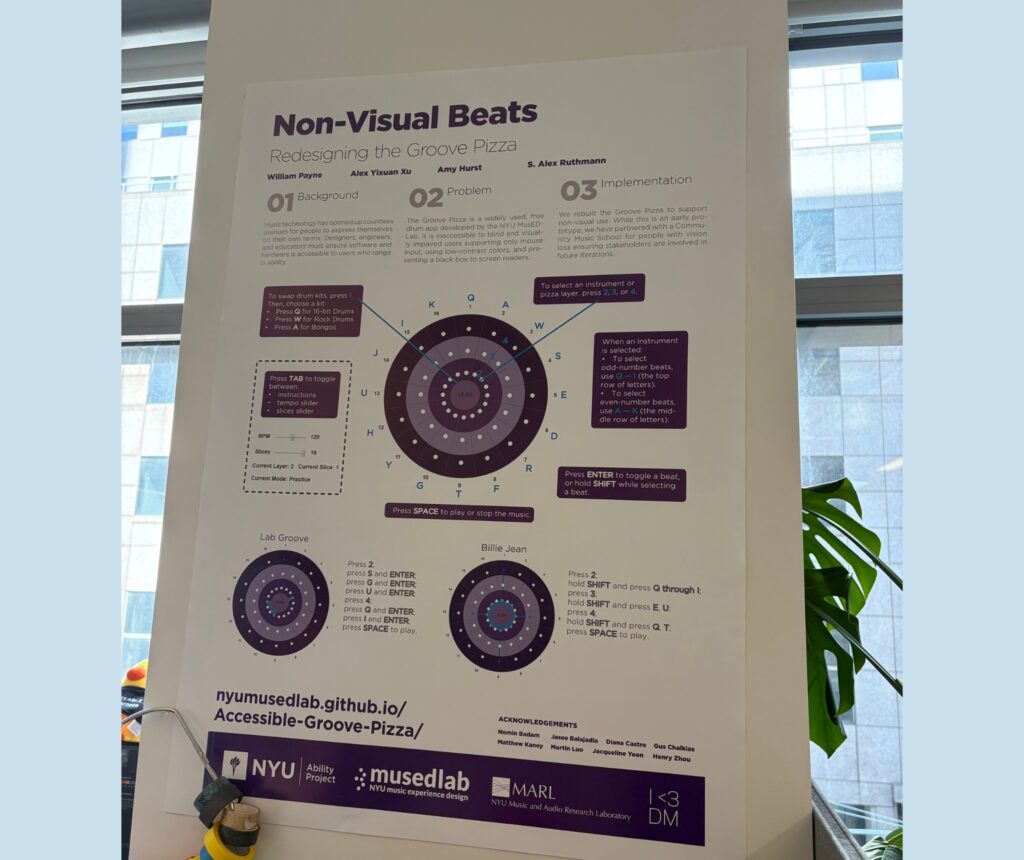
Everyone Needs A Slice Of Groove Pizza
The work at NYU Tandon is highly relevant to The MIDI Association because it shows how MIDI can support accessibility without limiting creativity or musical expression. MIDI was created to allow electronic musical instruments and devices to communicate. In this case, that communication can also help musicians understand and control their instruments more independently.
Accessibility should not be treated as a special feature added at the end of product development. It should be part of how instruments, controllers, software, and standards are designed from the beginning. The NYU work demonstrates how open tools, shared device descriptions, and MIDI-based communication can create practical solutions that benefit musicians, educators, manufacturers, and developers.
It also raises important questions for the future of MIDI 2.0, MIDI-CI, Property Exchange, and related efforts. If musical devices can describe themselves more clearly, expose parameters in structured ways, and communicate control changes consistently, then accessibility tools can become more powerful, more reliable, and easier to support across many products.
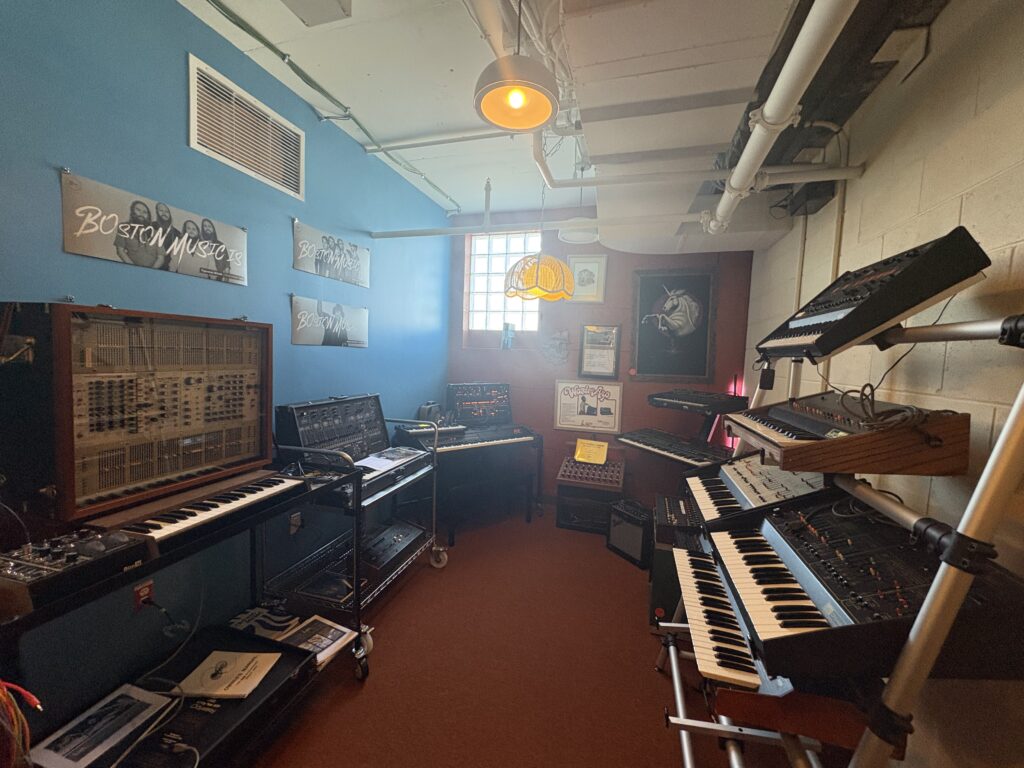
The MIDI Association will help connect the NYU SynthAccess team with ARPs for All in Boston, creating an opportunity for collaboration around accessible synthesizer education, tactile learning tools, and inclusive music technology experiences.
ARPs for All shares a similar spirit: expanding access to classic and modern synthesis so that more people can experience the creativity of electronic music. By connecting ARPs for All with NYU’s SynthAccess work, The MIDI Association hopes to encourage practical collaboration between educators, accessibility researchers, musicians, and the broader music technology community.
This type of partnership is exactly what music accessibility needs. It brings together technical research, real instruments, hands-on learning, and the lived experience of musicians who know where the barriers are and what meaningful access should feel like.
Open Tools, Shared Knowledge, and Industry Collaboration
The SynthAccess project is being published openly so that others can learn from it, contribute to it, and adapt it. That open approach is important because accessibility challenges are too broad for any one company, school, or organization to solve alone.
Manufacturers can help by documenting MIDI implementations clearly and supporting accessible parameter descriptions. Developers can help by building tools that read and speak those descriptions. Educators can help by introducing accessible synthesizer workflows into classrooms and community programs. Musicians can help by testing these tools in real creative situations and explaining what works, what does not, and what needs to happen next.
The MIDI Association believes that accessibility can become a point of collaboration across the music technology industry. The work at NYU Tandon is a strong example of that idea in action.
Learn More
Learn more about the NYU SynthAccess and MIDItoSpeech projects here:
As The MIDI Association continues its work in music accessibility, projects like SynthAccess show how MIDI can help remove barriers and make electronic music creation more open, expressive, and inclusive for everyone.
Special Thanks to Luke DuBois from NYU for hosting Dina Pearlman and The MIDI Association :
Technology, Culture and Society Department Co-Chair
Director of Research, Integrated Design and Media
Member of The MIDI Association’s Music Accessibility Special Interest Group