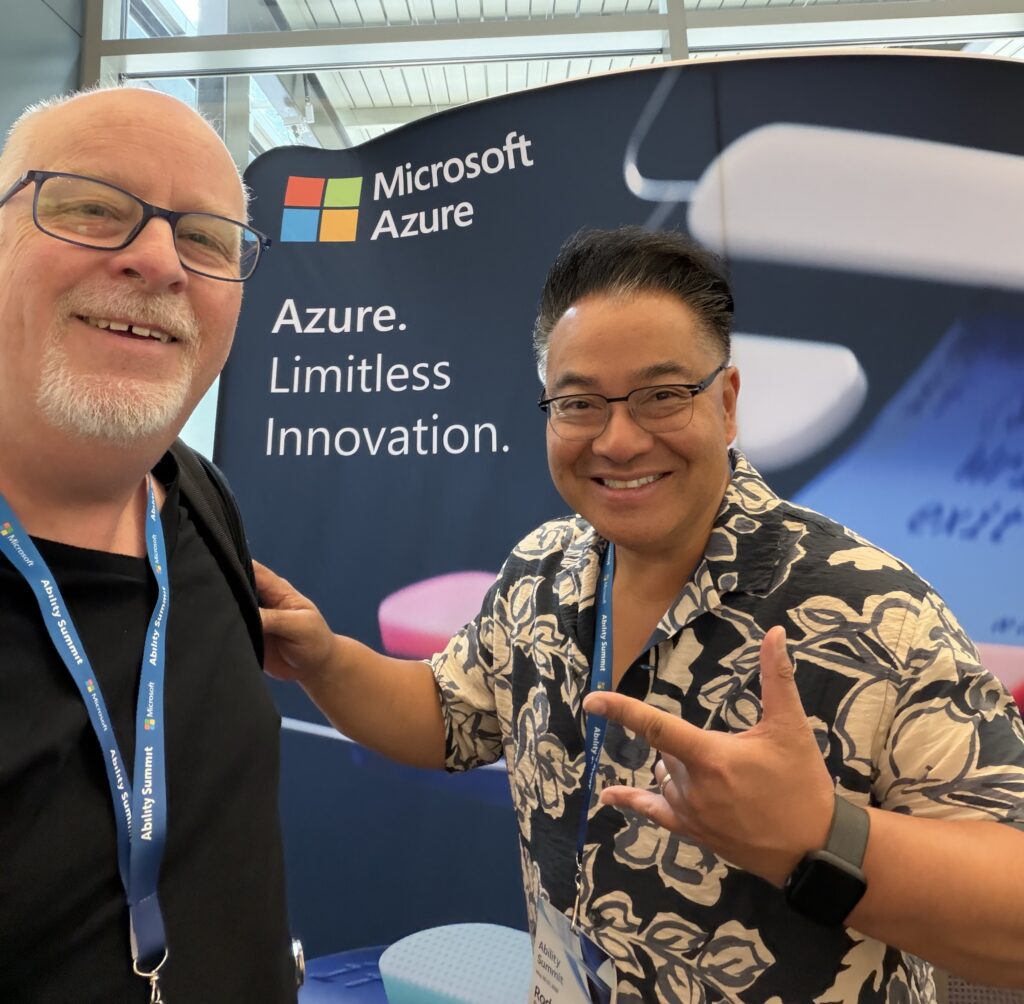
The MIDI Association participated in Microsoft Ability Summit 2026, joining accessibility professionals, technology companies, educators, researchers, assistive technology developers, and disabled creators from around the world for Microsoft’s annual event focused on accessibility and inclusive design.
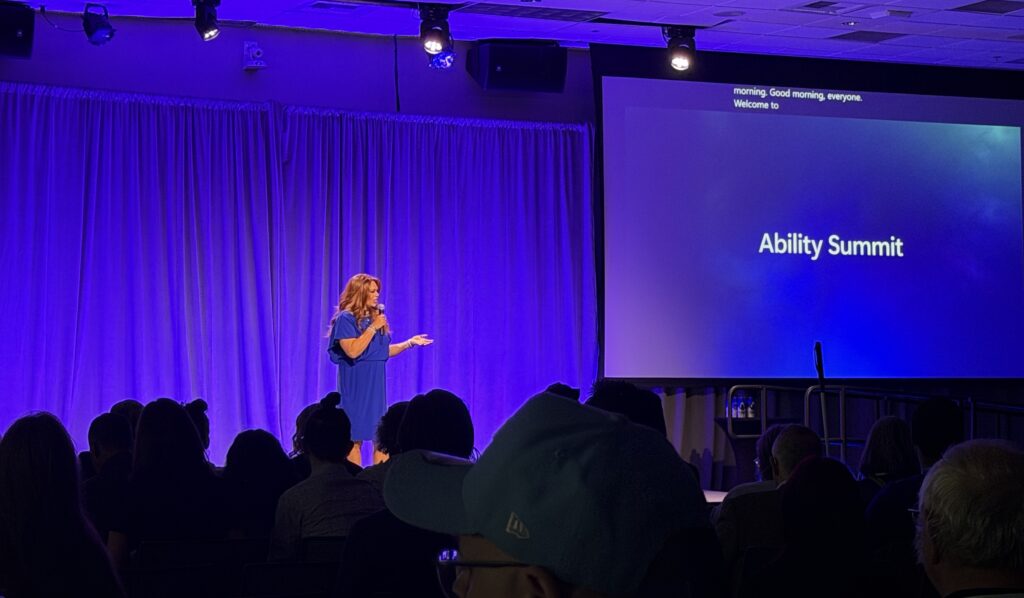
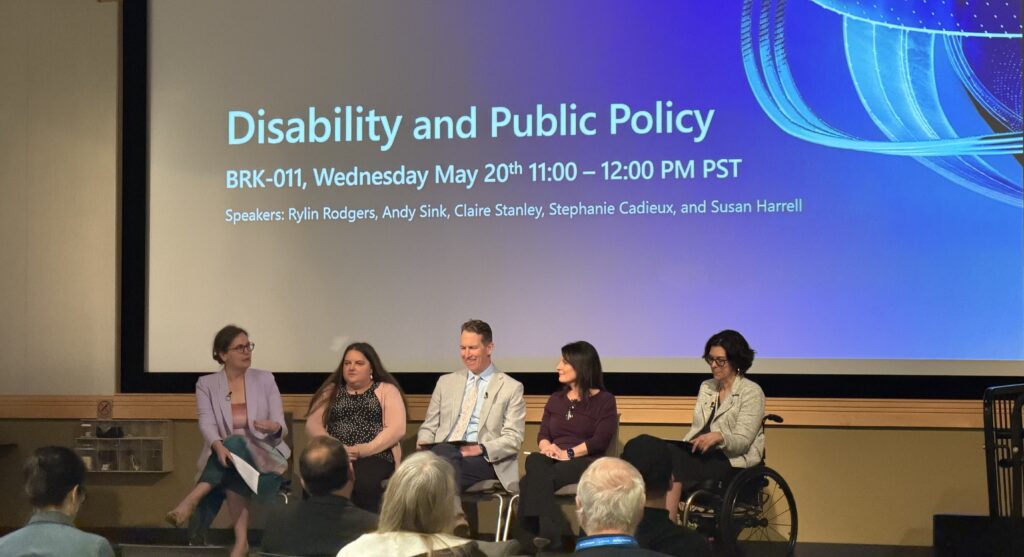
Now in its 16th year, the summit has grown into one of the largest events dedicated to accessibility in technology. The 2026 edition placed a particularly strong emphasis on the role of artificial intelligence in accessibility, with many sessions exploring how AI can improve communication, productivity, education, workplace participation, and creative expression. Presentations demonstrated how rapidly AI tools are becoming integrated into mainstream operating systems, applications, and adaptive technologies, while also raising important discussions about inclusive design, reliability, personalization, and user control.
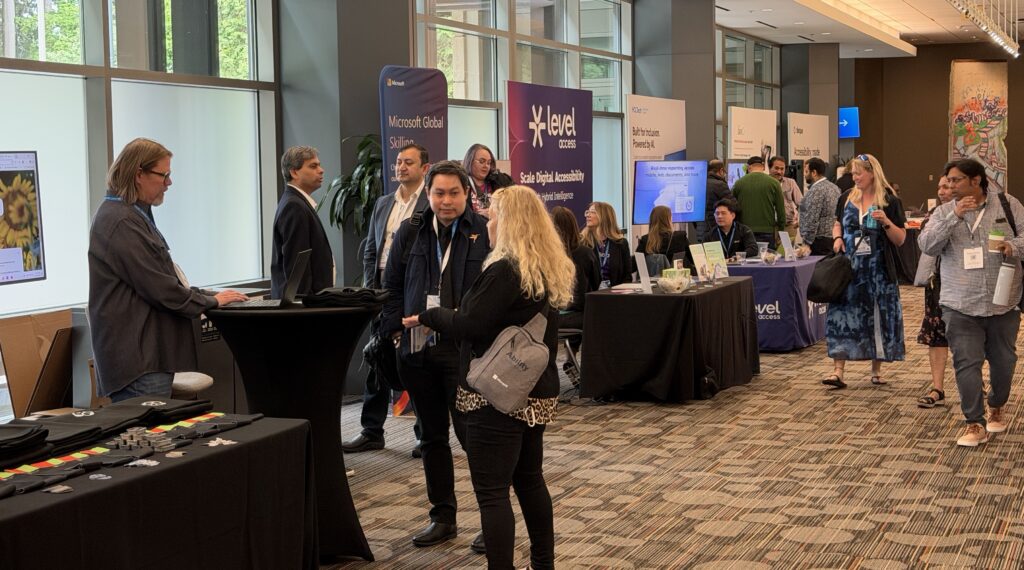
In addition to keynote presentations and technical sessions, the event included a small expo area where companies and organizations demonstrated accessibility-focused products and services. Attendees were able to explore a wide range of solutions including adaptive input devices, communication tools, workplace accessibility technologies, and AI-enhanced assistive systems. The expo created opportunities for direct conversations between developers, accessibility advocates, and end users about practical challenges and emerging needs.
One of the highlights of the event was the Microsoft Inclusive Tech Lab demo area, where attendees could see hands-on demonstrations of adaptive hardware, accessible software, gaming technologies, and experimental accessibility research projects. The demo space showcased Microsoft’s ongoing work in inclusive design and provided practical examples of how accessibility can be incorporated into both mainstream and specialized technology products.
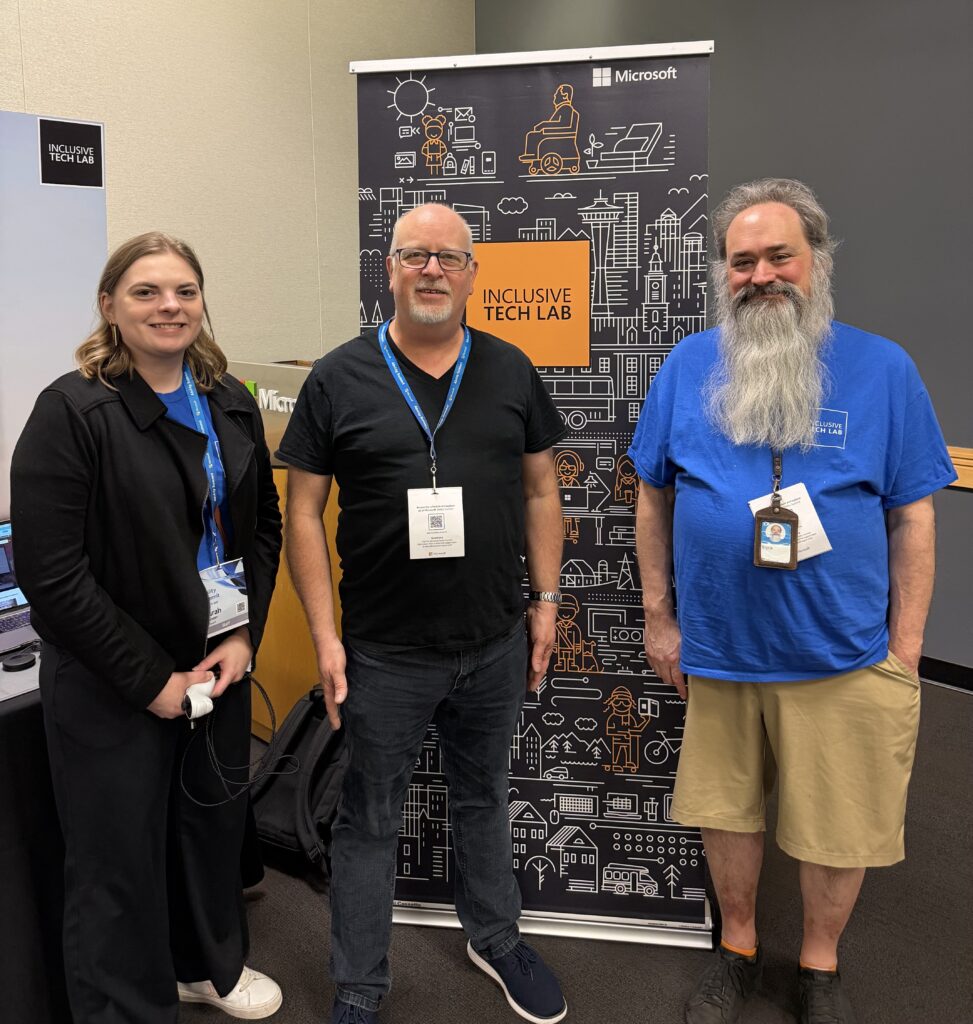
For The MIDI Association, the event reinforced many of the same ideas currently driving work within the Music Accessibility Standard Special Interest Group (MASSIG): accessibility is most effective when it is considered early in the design process rather than added later as a separate feature.
Many of the themes discussed throughout the summit have direct relevance to music technology. Adaptive interfaces, alternative input systems, customizable control surfaces, AI-assisted workflows, and accessible software design are becoming increasingly important as music creation tools continue evolving beyond traditional hardware and studio environments.
MIDI plays a unique role in this ecosystem because it separates musical intent from any single physical interface. Musical performance data can originate from traditional keyboards and controllers, but also from switches, motion sensors, eye tracking systems, touch surfaces, voice control systems, and other adaptive technologies designed around the needs and abilities of individual musicians.
The summit also highlighted an important principle that continues to shape accessibility work across the music industry: innovations originally developed for disabled users often create broader benefits for everyone. Flexible interfaces, customizable workflows, multimodal interaction, and AI-assisted control systems frequently improve usability and creative possibilities for all musicians and creators.
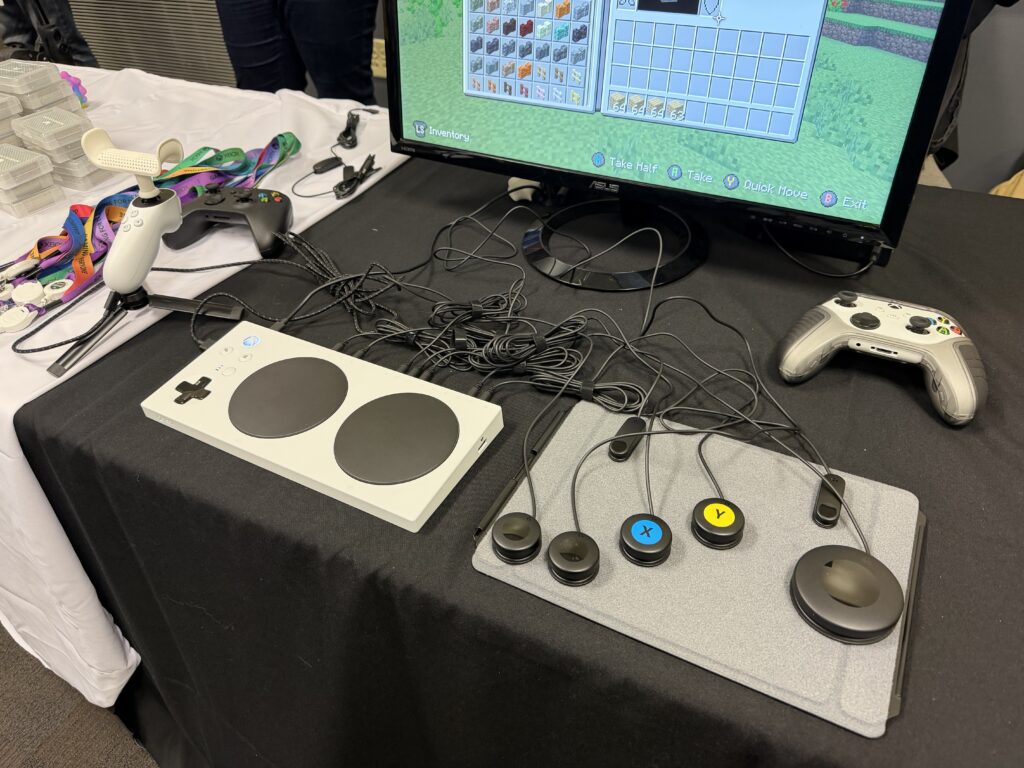
Participation in events like Microsoft Ability Summit helps The MIDI Association continue building relationships with accessibility leaders, assistive technology developers, educators, researchers, and inclusive design teams working toward more accessible creative tools and experiences.
As the work of MASSIG continues, these conversations remain essential to ensuring that future music technology standards support a broader range of musicians, creators, students, and performers.