CME Introduces the H4MIDI WC and U4MIDI WC
High-Performance MIDI Interfaces for Musicians and Producers
CME is proud to announce the release of two cutting-edge MIDI interfaces designed to meet the needs of modern musicians, producers, and live performers. The H4MIDI WC and U4MIDI WC redefine MIDI connectivity with advanced features, seamless integration, and innovative design tailored for demanding setups.
The H4MIDI WC focuses on USB hosting, while the U4MIDI WC, shaped by feedback from U6MIDI Pro users, offers tailored solutions for computer-based setups. Both devices operate fully standalone via 5V USB / 9V DC power options, supporting 4 customisable presets switchable via MIDI messages, without the need of an operating system.
H4MIDI WC: Advanced USB Host MIDI Interface
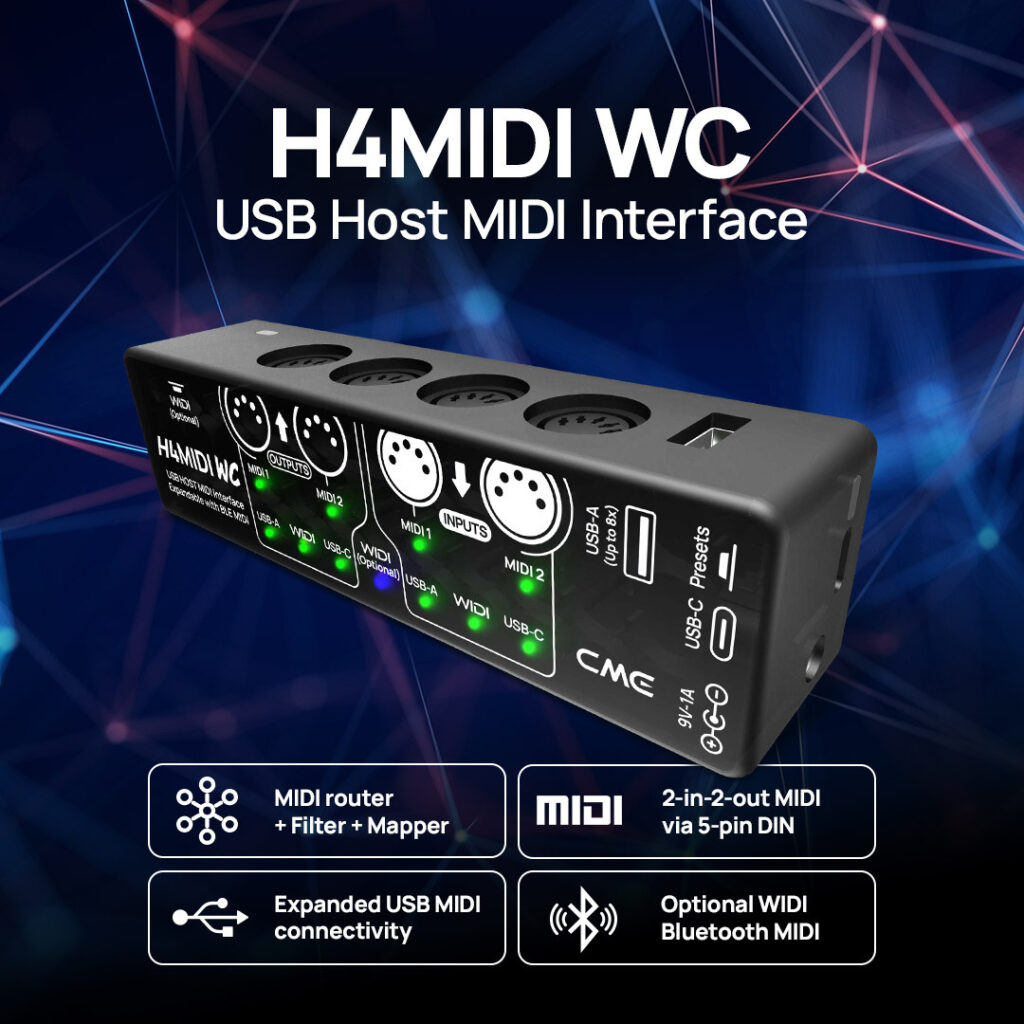
The H4MIDI WC is a high-performance USB host MIDI interface, ideal for keyboardists, guitar players, and producers seeking future-proof solutions. Offering near-zero latency and jitter via wired transmission, it ensures flawless performance in live and studio environments. With versatile DIN and USB connectivity, users can effortlessly link MIDI devices and expand their setups.
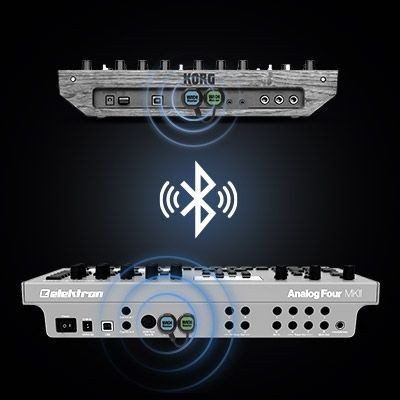
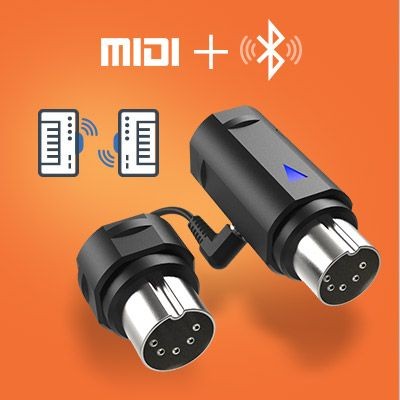
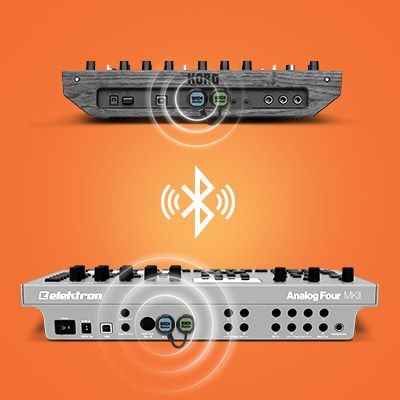
Optional WIDI Bluetooth expansion adds wireless flexibility, cutting down on cable clutter and enabling mobile workflows and BLE MIDI group connectivity. Plus, the powerful HxMIDI Tools software provides full control for routing, filtering, and remapping, making even the most complex configurations simple to manage.
Key Features:
- USB Host MIDI Interface: Connect USB MIDI controllers, keyboards, and pedals to traditional DIN MIDI hardware without a computer.
- Flexible Connectivity: USB-A (8-in/8-out virtual via any USB hub) and USB-C (4-in/4-out virtual) for host and client modes.
- Advanced MIDI Routing & Filtering: Configure splits, merges, and custom mappings with HxMIDI Tools software.
- Optional Bluetooth MIDI: Add ultra-low-latency (3ms) wireless MIDI via WIDI Core expansion.
- High-Precision Performance: 32-bit processor and optocoupler for error-free, high-speed transmission.
- Pedalboard-Friendly Design: Slim, reversible form factor with dual power options (USB or 9V DC).
- Cross-Platform Compatibility: Works seamlessly with macOS, iOS, Windows, Android, Linux, and ChromeOS.
U4MIDI WC: Compact Hybrid MIDI Interface
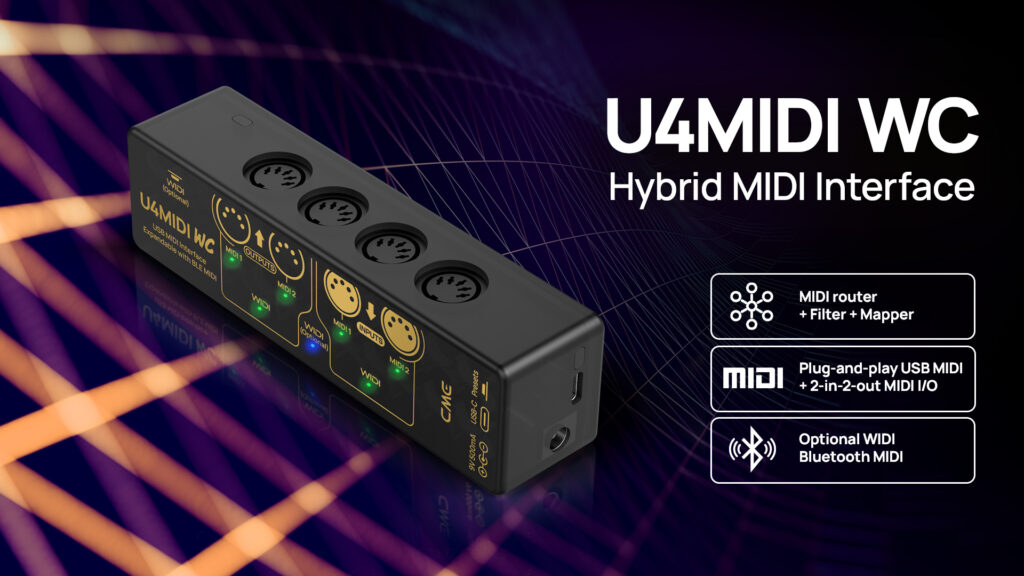
Designed for studio musicians and tight pedalboard setups, the U4MIDI WC is a lightweight yet powerful hybrid MIDI interface. Its slim profile and durable build make it the perfect addition to any pedalboard, while the 9V DC power option ensures easy integration with pedal-friendly setups.
With the optional WIDI Bluetooth expansion, users can achieve wireless MIDI connectivity with minimal latency. The UxMIDI Tools software provides precise control over routing, filtering, and remapping, empowering users to optimize their configurations with ease.
Key Features:
- Hybrid MIDI Interface: USB-C and 5-pin DIN MIDI I/O for versatile connections.
- MIDI Router, Filter & Mapper: Customize routing, splits, merges, and filtering with UxMIDI Tools.
- Optional Bluetooth MIDI: Wireless MIDI with 3ms latency and support for splitting and merging.
- 3 Virtual USB MIDI Ports: 48 MIDI channels via a single USB-C connection.
- Pedalboard-Ready Design: Compact (140mm x 38mm x 33mm), lightweight (99g), and dual power options (USB or 9V DC).
- Cross-Platform Compatibility: Seamless operation with macOS, iOS, Windows, Android, Linux, and ChromeOS.
Both devices represent CME’s commitment to innovation and user-centric design, offering unmatched performance and flexibility for today’s demanding MIDI workflows.
Availability:
The H4MIDI WC and U4MIDI WC are now available for purchase.
For more information, visit CME’s website or your local online store.