

When we talk about “music accessibility,” we’re not talking about a single feature—or a single community. We’re talking about the real-world ability for disabled music creators and professionals to build careers, collaborate at the highest levels, and use music technology with confidence and independence.
Why this new relationship matters
The MIDI Association’s Music Accessibility Standard Special Interest Group (MASSIG) exists to bring artists, researchers, and the music-production community into direct conversation with the companies who design and ship MIDI products—creating a forum for both practical accessibility knowledge and the technical possibilities of using MIDI to improve accessibility.
At the same time, RAMPD (Recording Artists and Music Professionals with Disabilities) has built a global professional network—“for the industry, by the industry”—focused on disability culture, inclusive practices, and career opportunity for working music creators and professionals with disabilities, neurodivergence, and other conditions.
This new relationship brings those strengths together: a direct bridge between the people living the workflows and the people building the systems. It’s a commitment to make sure accessibility is not an afterthought, and not a marketing checkbox, but a repeatable, testable, improvable part of product design and interoperability.
In plain language: RAMPD connects working disabled music professionals and disability culture. MASSIG connects that lived experience directly to the MIDI ecosystem—companies, developers, and standards work. Together, we can move faster, test earlier, and build more confidently.
Meet RAMPD: “for the industry, by the industry”
RAMPD describes itself as a professional consultancy group and networking platform amplifying disability culture and inclusion within the music industry. Its mission: equip music, sound, and live entertainment with tools that empower working creators and professionals with disabilities, neurodivergence, and other chronic or mental health conditions—through career development, partnerships, discussions, and resources.
RAMPD also clarifies something important about its Member Network: it is a global affinity network for industry professionals and creators with disabilities and other conditions—peer-vetted professional members can be sourced for hire or collaboration.
LACHI Award Winning Artist, CEO RAMPD
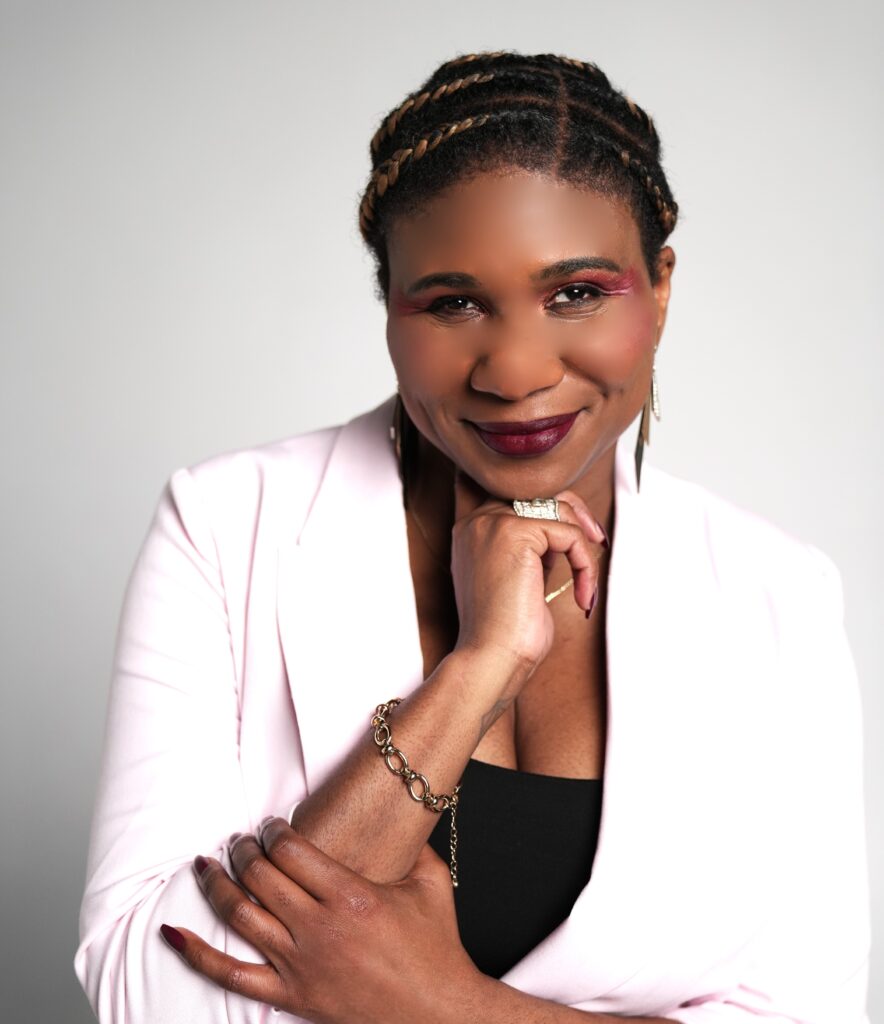
Lachi is an award-winning recording artist, global renowned disability advocate, Recording Academy National Trustee, who’s produced a GRAMMY-Nominated album.
She is also the Founder/CEO of the U.N.-recognized organization RAMPD.org—a consultancy group working with music industry giants on disability-inclusive solutions, as well as a global network of music creators and professionals with disabilities and neurodivergence. Her 2023 peer-reviewed work on accessibility in the recording industry has been published by the Audio Engineering Society. Named a USA Today Woman of the Year and included in Forbes Accessibility 100 list, Lachi’s work amplifying access in the music industry has landed in Billboard, TIME Magazine, Good Morning America and the New York Times.
That origin story aligns closely with MASSIG’s mission: if accessibility isn’t shaped by the people most impacted, it won’t land where it needs to. This collaboration helps ensure the conversation includes both the creative and the technical—from stage to studio to standards.
RAMPD’s “Disability Culture” lens
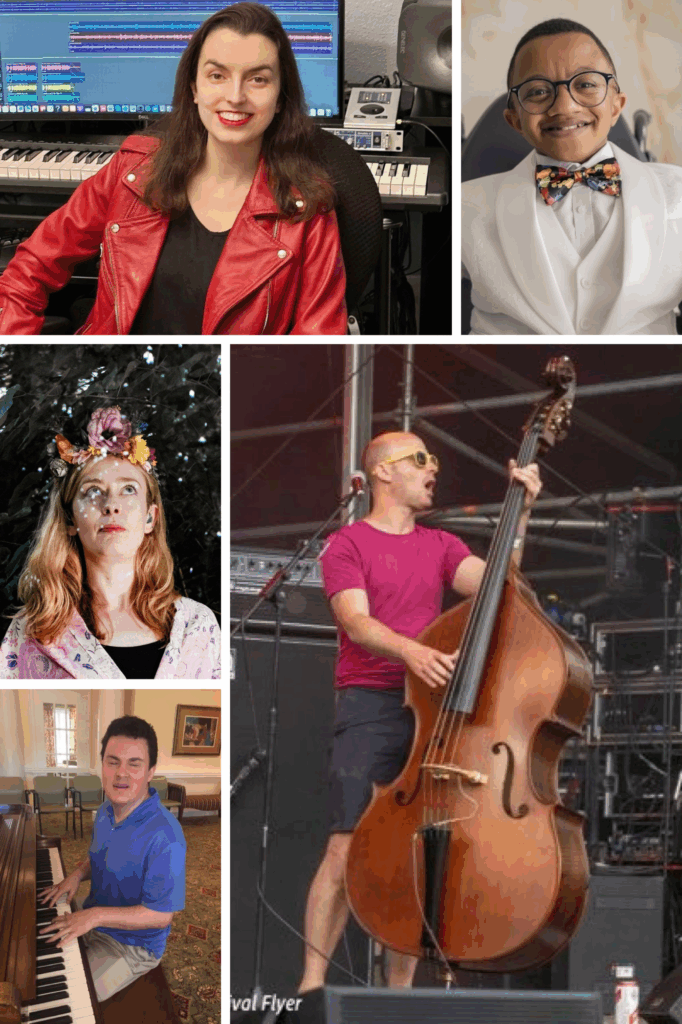
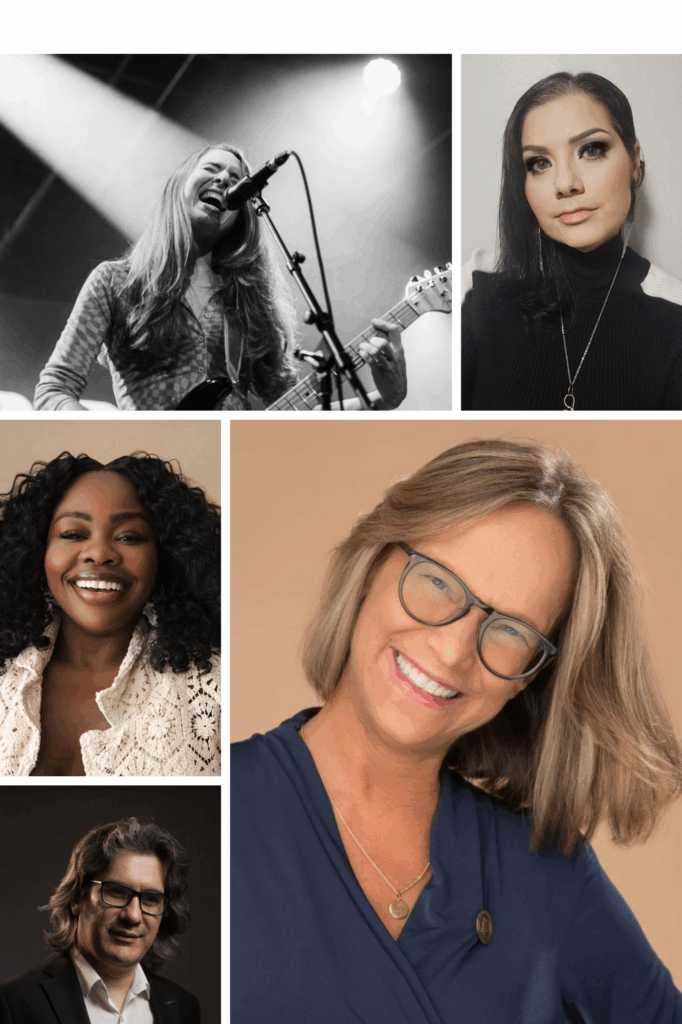
RAMPD defines disability culture as the art, music, language, and creative contributions of people who identify as disabled—rooted in creativity, determination, and problem solving—and something that deserves celebration. That framing matters for music technology: it keeps the focus on agency, authorship, and creative identity, not only on barriers.
Meet MASSIG: a forum for accessibility + MIDI innovation
MASSIG (the Music Accessibility Standard Special Interest Group) is where accessibility practitioners, disabled musicians and technologists, researchers, and MIDI Association members collaborate on what a “Music Accessibility Standard” can look like in practice—and what MIDI can do to make accessibility more consistent across devices and workflows.
From conversation to coordination
MIDI.org has documented how this work has been shaped by a mix of community members and companies, alongside organizations like the Royal National Institute of Blind People (RNIB), Drake Music and SoundWithoutSight and accessibility communities in music tech. The work includes events, workshops, and recurring meetings that keep the discussion grounded in real tools and real user experience.
In fact, Lachi will be a guest on the next SoundWithoutSight podcast in January.
A key idea: “accessibility settings that travel with you”
One of the most powerful accessibility concepts connected to this effort is interoperability: the ability for accessibility preferences and control mappings to be recognized across gear and software—so that when you connect devices, your accessibility context is not lost. This is the kind of problem that standards help solve.
The MIDI Association’s work in this field includes an effort to create a technical standard that could help vision-impaired musicians more easily control their recording and production gear by loading accessibility settings whenever they plug one of their devices into another.— MIDI.org (via a Fast Company-related post about MASSIG)
So what does the RAMPD + MASSIG collaboration enable?
The goal is simple: accelerate the feedback loop between the people building music technology and the people who rely on accessibility to make music professionally. In practice, this relationship is designed to support four mutually reinforcing tracks:
1) Lived-workflow input, earlier in the design cycle
- Bring working disabled music creators and professionals into early-stage product conversations.
- Pressure-test assumptions about “common workflows” across DAWs, controllers, plugins, and hardware.
- Share practical do’s/don’ts that often never make it into feature specs.
2) A shared vocabulary between disability culture and product engineering
- Translate accessibility needs into implementable requirements without losing nuance.
- Identify where standards help (interoperability) and where guidelines help (best practices).
- Promote an inclusive design mindset that treats accessibility as a creative enabler.
3) Better testing, better documentation, better outcomes
- Encourage structured accessibility testing across real-world setups (not only “happy path” demos).
- Create clearer documentation patterns for accessible MIDI products and software.
- Highlight what’s working—so developers don’t have to reinvent the wheel.
4) More visible pathways for participation
- Make it easier for disabled professionals to plug into standards discussions and working sessions.
- Make it easier for companies to find knowledgeable accessibility collaborators and consultants.
- Turn “we care about accessibility” into measurable, repeatable practice.
A note on scope
Accessibility spans vision, hearing, mobility, cognition, neurodivergence, chronic illness, and more. This collaboration is intentionally “big tent,” reflecting RAMPD’s inclusive view of disability identity and the diverse needs of music creators and professionals.
What happens next: from collaboration to compounding impact
Standards work is a marathon, not a sprint—but the impact compounds when the right communities are connected. Over the coming months, this relationship will prioritize:
- Listening sessions that focus on workflows (not just features).
- Developer-facing guidance to reduce friction when implementing accessible experiences.
- Industry showcases that highlight practical accessibility wins and what they enable creatively.
- Clear “how to participate” routes for individuals and companies who want to contribute.
How you can get involved
If you’re a developer or company
- Join MASSIG discussions and bring implementation questions early.
- Budget time for accessibility testing and documentation—treat it as core product quality.
- Collaborate with disability-led communities and consultants as partners, not as an afterthought.
If you’re a music creator or professional
- Consider joining RAMPD’s community and professional networks (as applicable).
- Join MASSIG to influence how accessibility is approached in the MIDI ecosystem.
- Share the workflows that matter most—studio, live, composing, mixing, teaching, producing.
Join MASSIG: MIDI.org notes you can join by registering on MIDI.org and indicating Music Accessibility as an interest, or by contacting the MIDI Association for help getting set up.
Accessibility is not a niche. It’s the future of music tech.
Great music technology should expand creative possibility. That’s what MIDI has done for over four decades: it helps instruments, software, and people connect.
The RAMPD + MASSIG relationship is a next step in that same story— making sure the future of music creation includes everyone, by design.
To learn more about the MIDI Association’s Music Accessibility work, visit the Music Accessibility hub on MIDI.org.
Members of the RAMPD community will be performing at The MIDI Association Booth 10302 at NAMM on Saturday, January 24 from 3:30 pm to 5 pm immediately following the Music Accessibility panel at 3 PM.
RAMPD also has booth at NAMM at the Anaheim Convention Center Booth 16222 in the Pro Audio area. They are having a open gathering from 10:30 to noon at their booth and invite anyone interested in Accessibility to join them.