

When Greg Hendershott receives the MIDI Association Lifetime Achievement Award at the 2026 NAMM Show, the honor commemorates more than the founder of a legendary American software company. It celebrates one of the most influential careers in computer-based music creation—and the enduring legacy of a company whose tools helped millions of musicians discover what MIDI could make possible.
Youtube Summary Video
The Early Years: A Musician Who Loved Code

Greg Hendershott grew up fascinated by both music and computers. When MIDI arrived in 1983, it bridged these worlds in a way that inspired him. In 1987, he created a MIDI sequencer for MS-DOS, which would become the first version of Cakewalk. To release it, he founded Twelve Tone Systems in Boston that same year.
Cakewalk for DOS: Bringing MIDI to the PC Revolution
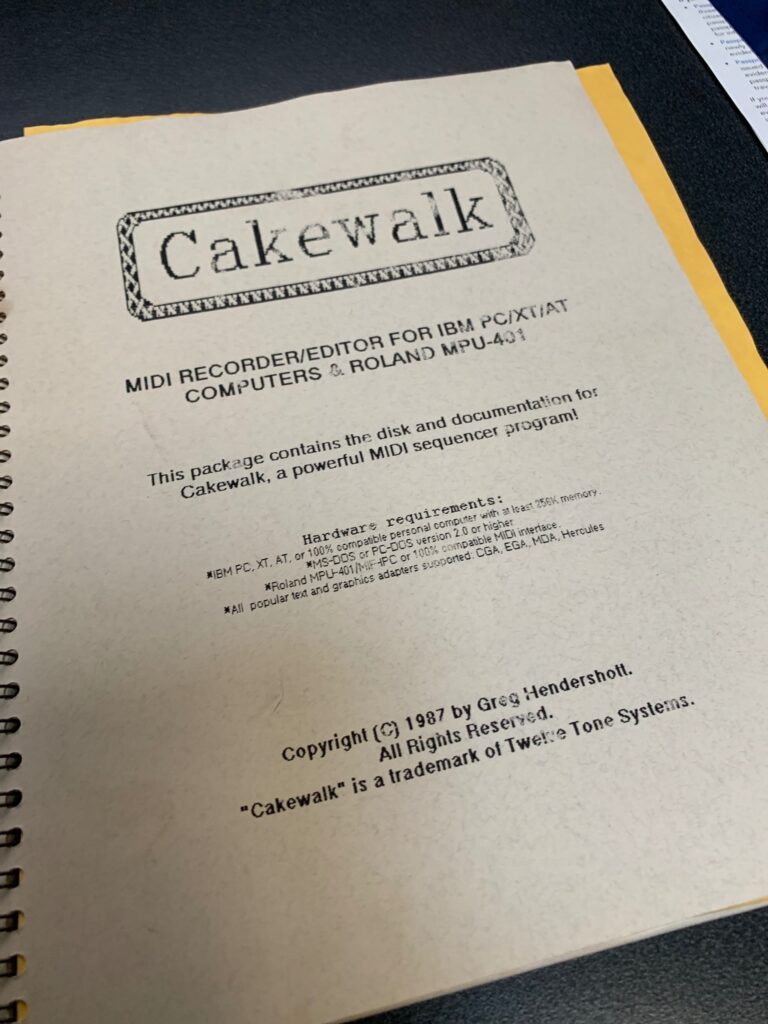
At a time when MIDI tools were dominated by the Atari ST and Macintosh, Hendershott saw the untapped potential of the IBM PC. Cakewalk for DOS quickly became the leading MIDI sequencer for millions of PC owners thanks to its intuitive design and affordable price, democratizing access to MIDI-based music creation.

The Windows Era: Cakewalk Pro Audio and Digital Audio

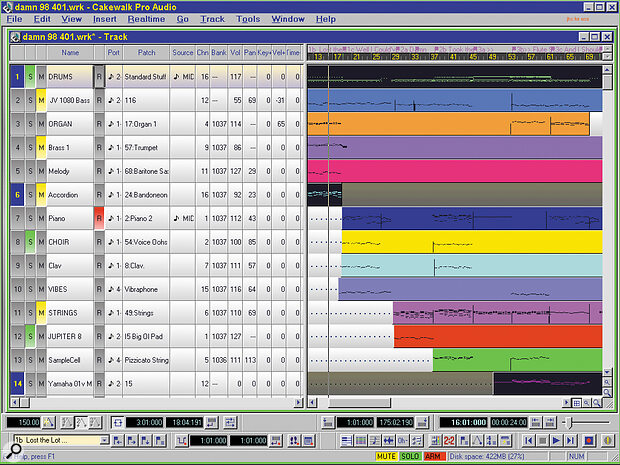
With Windows 3.1 and Windows 95, Cakewalk evolved into Cakewalk Pro Audio, adding digital audio recording alongside MIDI sequencing. The company worked closely with Microsoft to improve multimedia performance, helping establish Windows as a credible music production platform.
SONAR: The Professionalization of PC Studios
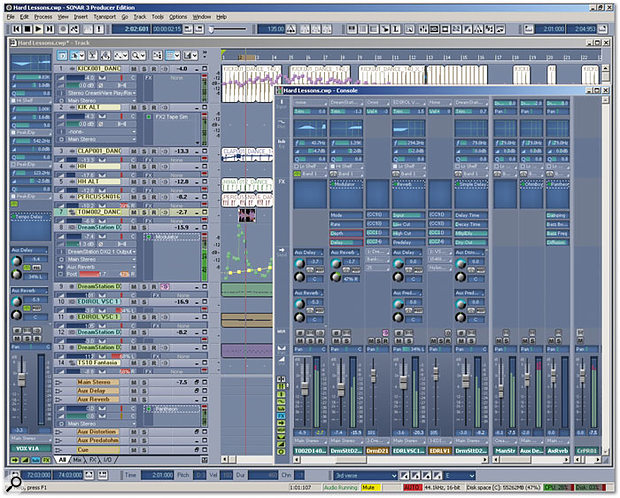
In 2001, Cakewalk released SONAR, a groundbreaking DAW that introduced per-clip effects, integrated soft synths, modern UI design, and one of the industry’s first 64-bit audio engines. SONAR became a favorite among U.S. producers, composers, and educators.
Roland’s Investment and the “Cakewalk by Roland” Era (2003–2013)
By the mid-2000s, Greg Hendershott had already led Cakewalk from a DOS MIDI sequencer to a full-scale Windows DAW company with SONAR at its core. The next chapter in that story came through a deepening relationship with Roland Corporation—one that would reshape Cakewalk’s branding, distribution, and place in the global market.
The partnership began as a strategic alliance. Roland initially invested in Cakewalk and became a key hardware partner, co-developing instruments and groove workstations that shipped with Cakewalk software and using its Edirol subsidiary to distribute Cakewalk titles in select territories outside North America. For Hendershott, this was an opportunity to put a Boston-based software company onto Roland’s worldwide stage, without losing the independent engineering culture that had defined Cakewalk since 1987.
In January 2008, the relationship took a major step forward when Roland acquired a majority stake in Cakewalk and the brand visibly shifted to “Cakewalk by Roland”. The new logo began appearing on SONAR packaging and installers, and Roland’s global dealer network became the primary channel for Cakewalk products in Europe, Asia, and many other markets. This period saw SONAR positioned not just as a standalone DAW, but as the software centerpiece in integrated hardware–software systems.
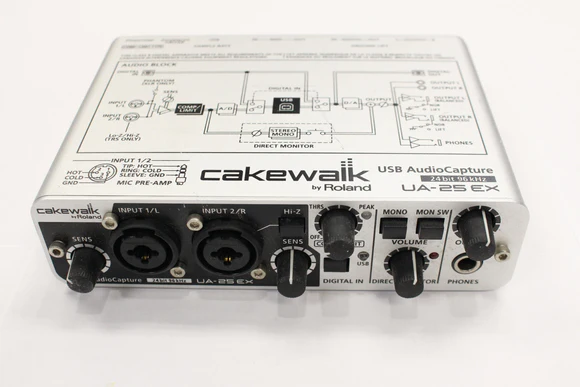
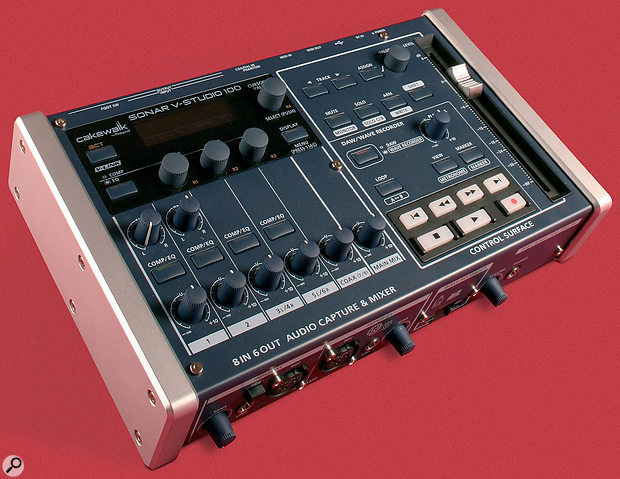
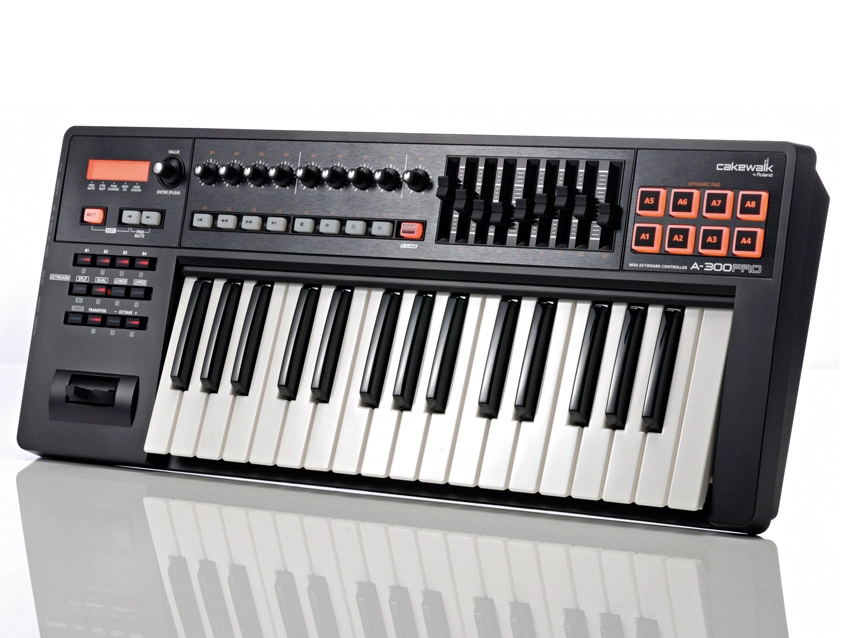
Under Hendershott’s leadership, the Roland years were characterized by closer alignment between Cakewalk’s software roadmap and Roland’s hardware strategy. Joint products such as the SONAR V-Studio systems combined a deeply integrated control surface, audio interface, and SONAR Producer into a single “complete studio” package. Other Roland and Edirol interfaces, controllers, and electronic instruments were marketed as “SONAR-ready,” with tight driver support, templates, and presets that made it easier for new users to get started.
Branding reflected this partnership everywhere: in box art, trade-show booths, joint press events at NAMM and Musikmesse, and educational programs where Roland and Cakewalk jointly promoted computer-based music production. For customers, “Cakewalk by Roland” signaled that SONAR was part of a larger ecosystem—backed by a major instrument manufacturer and distributed through the same channels that handled keyboards, drum machines, and digital pianos.
Between 2008 and 2013, Cakewalk remained headquartered in Boston, with Hendershott continuing as CEO and guiding a rapid cadence of SONAR releases. The company expanded its virtual instrument and effects lineup, refined its ProChannel and mixing environment, and continued to innovate around Windows-centric workflows such as 64-bit audio, multi-core optimization, and tight integration with emerging USB and FireWire interfaces. Roland’s investment provided stability and reach, while Greg’s team kept the focus squarely on professional creators and serious hobbyists.
By 2012, after 25 years at the helm, Greg Hendershott stepped down as CEO, handing day-to-day leadership to a new management team while Roland remained the principal shareholder.
The following year, in late 2013, Roland sold Cakewalk to Gibson Brands, bringing the “Cakewalk by Roland” chapter to a close and initiating a new phase in the company’s history. But for nearly a decade, Roland’s backing had amplified Greg Hendershott’s original vision—turning a home-grown MIDI sequencer company into a globally recognized DAW brand, deeply woven into the fabric of the hardware instruments musicians used on stage and in the studio.
Acquisition, Closure, and Rebirth
Cakewalk was acquired by Gibson in 2013. In 2017, Gibson discontinued development as they had done with Opcode Systems in 2008—but in 2018, Cakewalk was dramatically revived when BandLab Technologies acquired the assets and reintroduced the DAW as Cakewalk by BandLab, making it free and accessible to a new generation.
Cakewalk Today: Cakewalk Sonar and Cakewalk Next
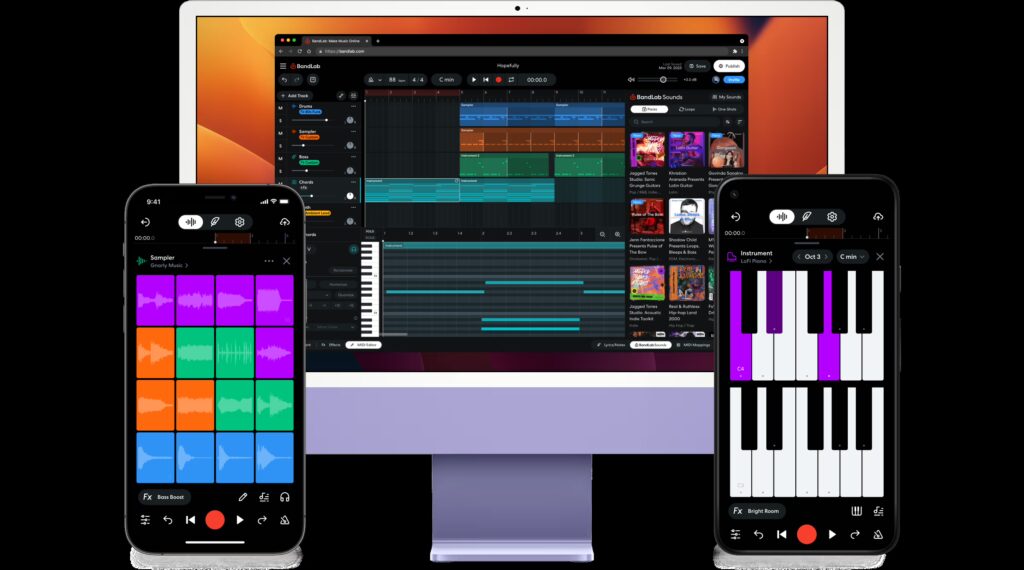
BandLab has since expanded the product line with Cakewalk Sonar, a modernized flagship DAW, and Cakewalk Next, a streamlined creative environment designed for the next generation of music producers.
A Legacy in MIDI
Hendershott helped shape the evolution of MIDI by making powerful creative tools affordable and widely available. His belief that “music software should help musicians think less about the tech and more about the music” remains central to the Cakewalk philosophy today.
As we honor Greg Hendershott at NAMM 2026, we celebrate a visionary who expanded the reach of computer-based music creation and empowered millions of musicians worldwide.
https://cdm.link/interview-cakewalk-founder-greg-hendershott-20-years-on