

This one hits pretty close to home.
Last night on May 22, 2026, Jack Hotop had passed away.
Jack was the senior voicing manager for Korg USA and we worked together on many projects including the MI, the T-Series, the 01W and many more. He was a friend and a colleague and he will be much missed.
For many musicians, the name Jack Hotop may not be as instantly recognizable as the names printed on the front panels of the instruments he helped create. But for anyone who has played, programmed, recorded, or performed with KORG synthesizers and workstations over the past four decades, there is a very good chance they have heard Jack Hotop’s work.
Hotop was one of the key sound designers, programmers, demonstrators, and musical voices behind generations of KORG instruments. His work is closely associated with landmark products including the KORG M1, Wavestation, 01/W, Trinity, Triton, KARMA, OASYS, M3, M50, KRONOS, and many others. KORG USA has described him as a sound designer and synth programmer for more than 100 KORG products, including the M1, Wavestation, Triton, and KRONOS.
In this article I’m going to try and capture just a little bit of who Jack Hotop was as a person, a musician. a sound designer and a friend.
Jack Hotop Sr
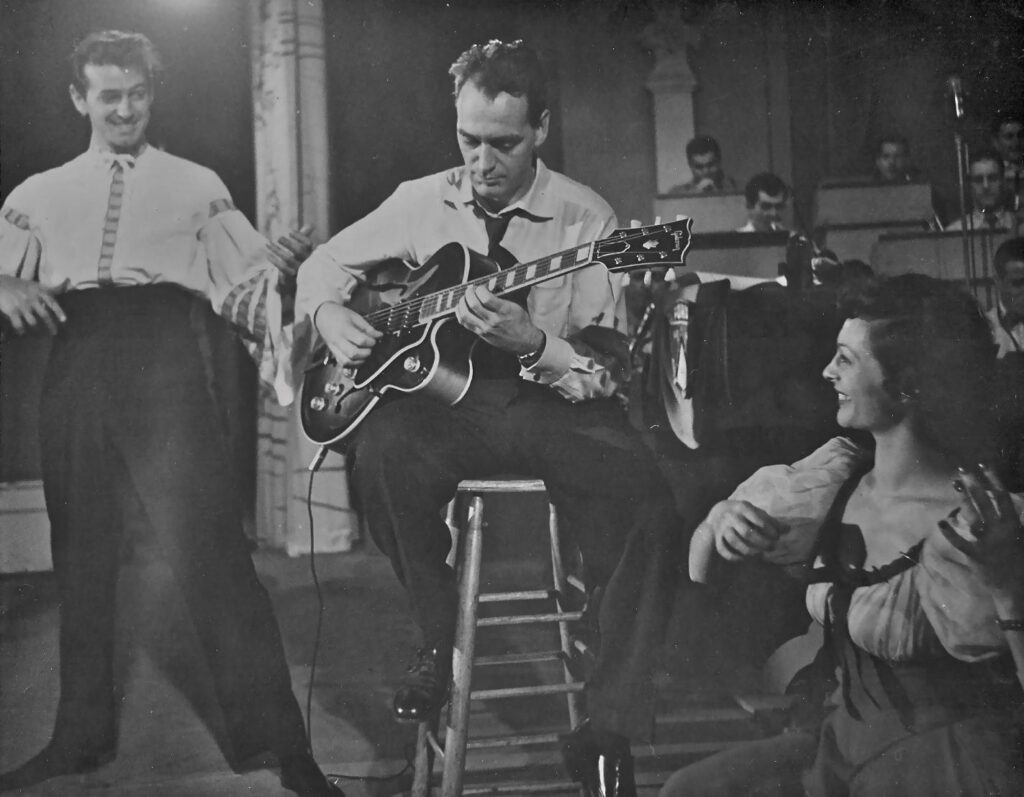
Jack’s father Jack Hotop Sr. was a professional guitarist, big band musician, and respected educator. Active in the New York area during the mid-20th century, he performed at CBS Studios with legends like Tony Bennett, and played in notable groups such as the Joe Mooney Quartet and the Jazz Tree.
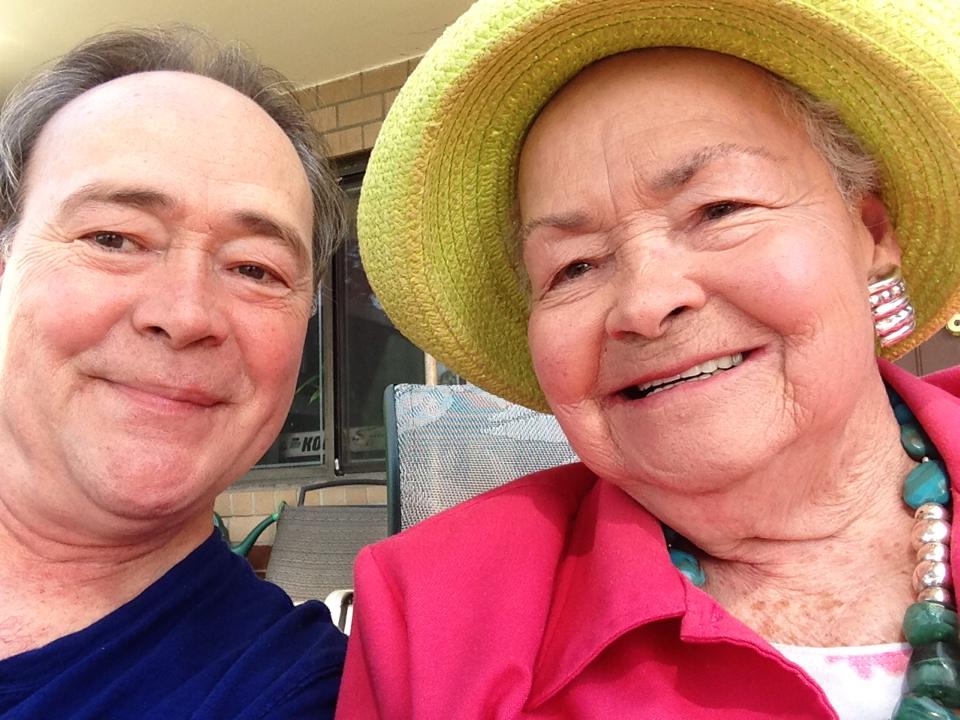
His mother didn’t play music, but many in her mother’s family did including several uncles who taught Jack piano.
A Musician First
One of the most important things to understand about Jack Hotop is that he approached technology as a musician. His background was not limited to engineering or programming. He began piano lessons as a child and was performing in bands by his teenage years. He later studied arranging and composition at Berklee College of Music and continued to explore electronic music through the Boston School of Electronic Music, where he encountered early synthesizers such as the ARP Odyssey, ARP 2600, ARP 2500, and EMS Synthi.
That combination of formal musical training, live performance experience, and deep interest in synthesis became central to his work. Hotop was not simply creating sounds that showed off a specification sheet. He was creating sounds that musicians could use immediately: sounds that responded well under the fingers, sat well in arrangements, worked on stage, and inspired new musical ideas.
Before his long association with KORG, Hotop also worked as a touring and performing musician. His credits included performances with artists and groups such as The Drifters, Gloria Gaynor, Silver Convention, John Entwistle, Leslie West, and Robin Zander. That experience gave him a practical understanding of what keyboard players needed from an instrument in real musical situations.
Rat Race Choir
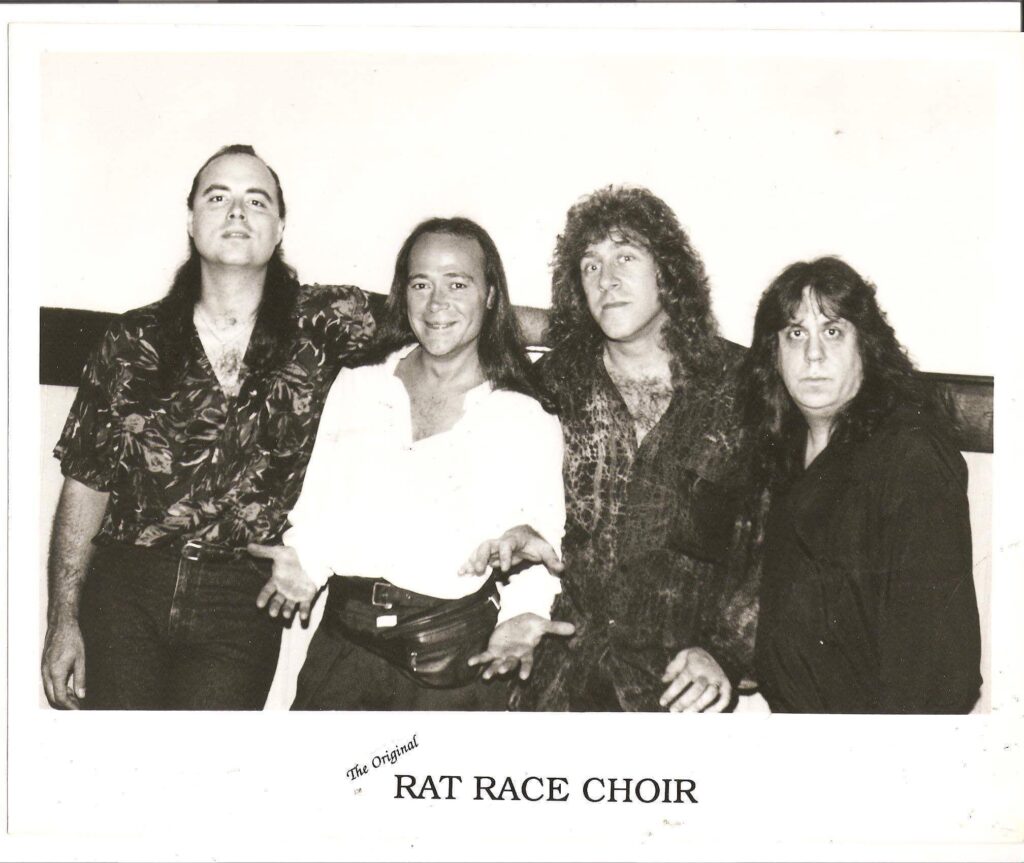
Jack was in a seminal New York City prog rock band – Rat Race Choir.
They were considered one of the best prog rock bands in the New York City area in the 1980s.
Jack’s stint with Rat Race Choir led to his friendship with John Entwistle.
Wikipedia
Jack and John
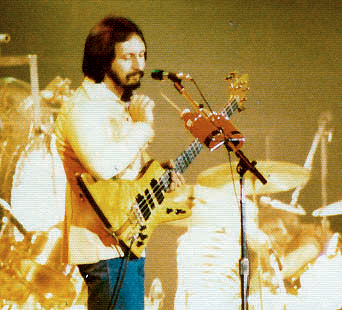
Jack was very close to John Entwistle from The WHO.
One of my favorite Jack stories sheds light on how sensitive Jack was to other people’s feelings. John was six feet tall and by the 1990s really pretty deaf. At an incredibly loud NAMM show at the Korg booth, Jack saw John coming up to us. He leaned over and said to me ” When John comes up just nod and smile at whatever he says”. John came up and spoke, but I didn’t hear a single word he said. John was very self conscious about speaking too loudly so even at a crowded NAMM show, he spoke in what was almost a whisper.
This to me was classic Jack.
He protected me by letting me know what to do and he protected his friend John from being embarrassed.
From Reprogramming a PolySix to a Career at KORG
Hotop’s path into KORG began in a way that will feel familiar to many passionate synthesizer users: he started by pushing an instrument beyond its factory sounds. After reprogramming a KORG PolySix, he contacted the company and spoke with Korg engineer Paul Turino for several hours. That conversation led to an invitation to demonstrate what he had done, and shortly afterward KORG USA, then known as Unicord, offered him a job.
It is a perfect example of how the synthesizer industry has often grown: through the meeting of musicians, inventors, engineers, and sound designers who were excited by what was possible and willing to explore beyond the obvious. Hotop’s work at KORG placed him at the center of one of the most important periods in the history of electronic musical instruments.
The KORG M1 MIDI Workstation
For the MIDI community, Jack Hotop’s work is especially significant because of his connection to the KORG M1. NAMM’s Oral History program describes Hotop as one of the innovative KORG sound designers involved in creating the KORG M1, widely recognized as the first MIDI music workstation.
Introduced in 1988, the M1 combined sampled sounds, synthesis, onboard effects, sequencing, keyboard performance controls, and MIDI connectivity in a single integrated instrument. That combination changed the expectations musicians had for a synthesizer. Instead of thinking of a keyboard as only a sound module or only a performance instrument, the M1 helped establish the idea of the workstation: a complete music creation environment that could be used for composing, arranging, recording, and live performance.
The M1 became one of the most successful synthesizers in history and helped define the sound of late 1980s and 1990s pop, dance, house, film, television, and production music. But its importance was not just commercial. It demonstrated how MIDI could connect an instrument into a larger creative workflow while also allowing the instrument itself to serve as a self-contained production tool.
I first met Jack in late 1986 at the Korg USA offices on Long Island.
I had been helping an engineering friend of mine by doing Tape Op and Keyboard Tech for the band Till Tuesday with Amy Mann. I had been out on the road for about 5 weeks and we ended by playing at the China Club in Manhattan. We finished at 2:00 a.m. and the next day I headed out to the Korg offices.
The Korg USA team at that time was really small. The only people in the office full time were Jack, Randy Whitney (who handled effects and drum machines) and Charlie Bright who was an engineer and the designated Korg rep for the brand new established (1985) MIDI Manufacturers Association.
I went through an all-day interview process meeting Keyboard VP Kim Holland, the VP for Marshall Mitch Colby and Senior VP Mike Kovins.
But most of the time I spent talking about synths with Jack and we quickly developed a friendship that has lasted many decades.
The MIDI Patch Boys
You can read about how I ended up in Japan in a MIDI.org article about Seiki Katoh who passed away on February 21, 2025.
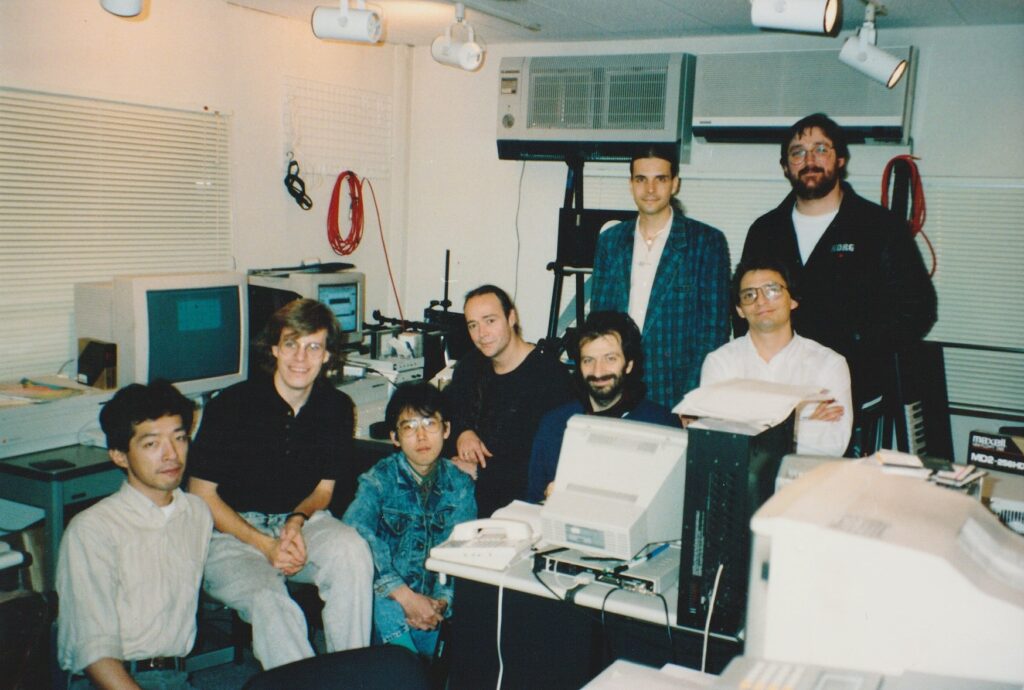
The first meeting of the Korg International Voicing team which became known as the MIDI Patch Boys was in 1987 at the Tsumagoi resort in Shizuoka Prefecture owned by Yamaha.
Yamaha had acquired a majority stake in Korg that year.
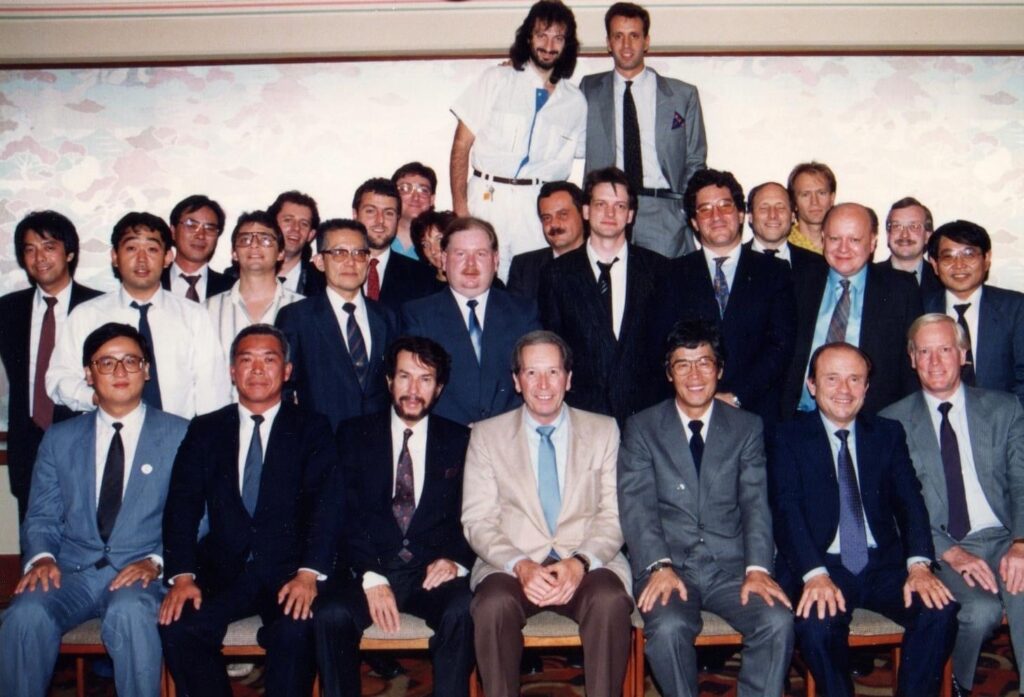
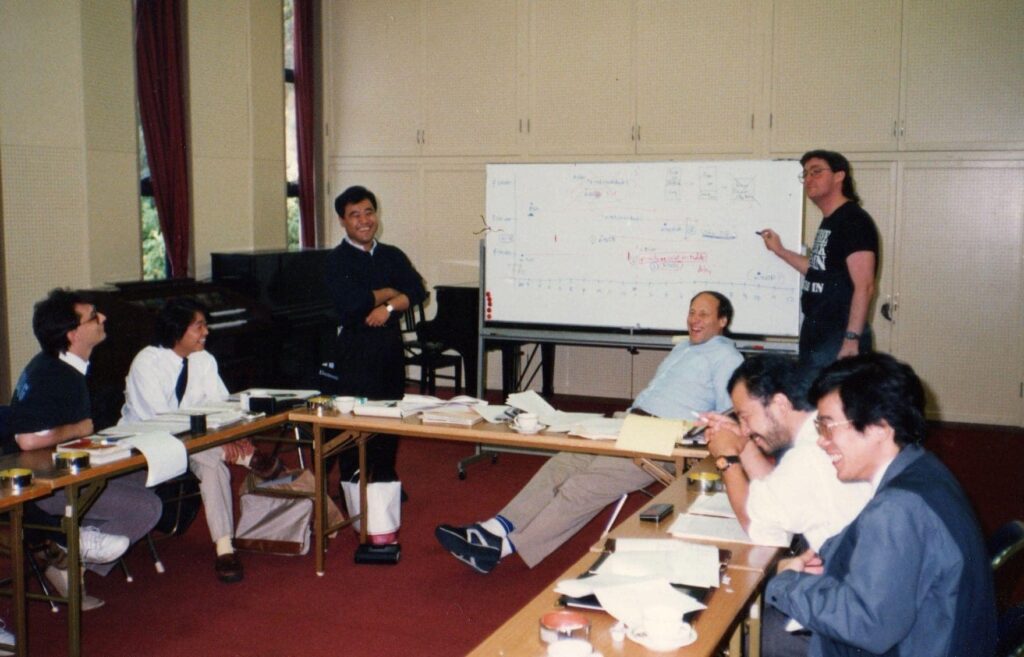
Our MIDI Patch Boy meetings were intense, but also fun.
Here Steve McNally is goofing around and describing a fictitious product he called the Patch Dog 1000.
On the way home to England, Rob Castle, director of Korg UK christened the group “The MIDI Patch Boys” and we have been calling ourselves that ever since.
Introducing The MIDI Patch Boys
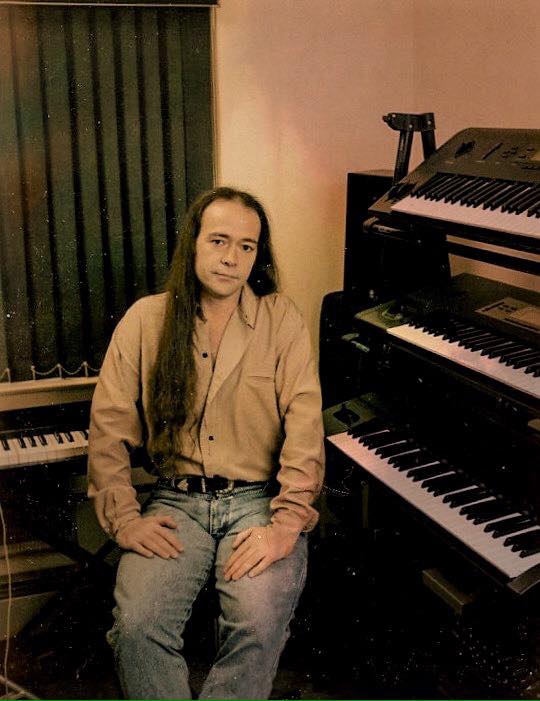
Jack Hotop (USA)
Contribution: Hotop was the foundational American voice of Korg. Heavily influenced by progressive rock, he specialized in creating aggressive synth leads, lush rock organs, and performance-ready keyboard splits. He ensured Korg’s workstations felt natural and expressive for live touring musicians.
Role: Lead US Product Specialist and Voicing Coordinator.
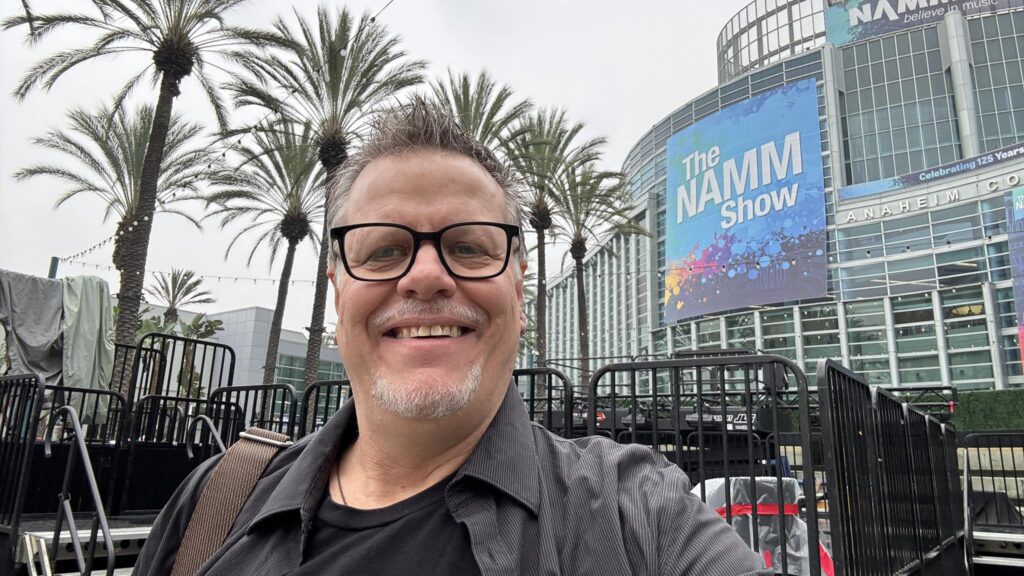
John “Skippy” Lehmkuhl (USA):
Contribution: John “Skippy” Lehmkuhl (USA):
Contribution: Bass, synth, rhythm, groove-based patches, and dance elements for the KRONOS/OASYS, Z1, S3, Wavestation, and subsequent M-and-T series keyboards. Skippy also contributed voicing for the various Wavedrum products Korg has produced.
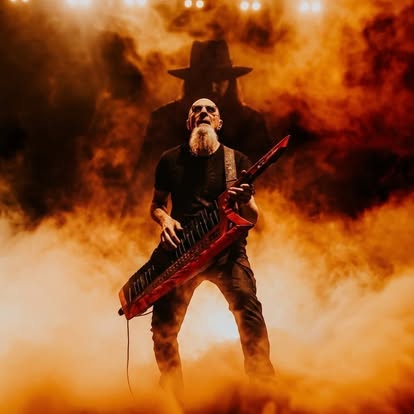
Jordan Rudess (USA):
While he is famous today as the virtuosic keyboardist for Dream Theater, he spent his early career as a core Korg Product Specialist and Sound Designer. He worked directly in the Westbury, New York offices in the late 1980s and early 1990s alongside Jack Hotop.
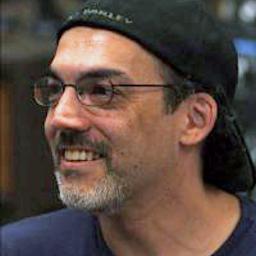
Peter Schwartz (USA):
Contribution: Brought high-end New York session player expertise, specializing in clean, commercial pop patches. He later came to fame for his classic Wavestation grooves, and film soundtrack-style work.
Role: Pop Workstation and Multi-Instrument Programmer.
Peter also helped to write the MIDI 2.0 Orchestral Articulation Profile
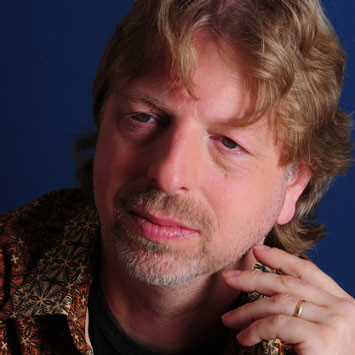
Ben Dowling (USA)
Contribution: An accomplished jazz pianist and keyboardist, Dowling brought deep musicality to the programming team.
Role: Acoustic Simulation and Jazz/Fusion Specialist.
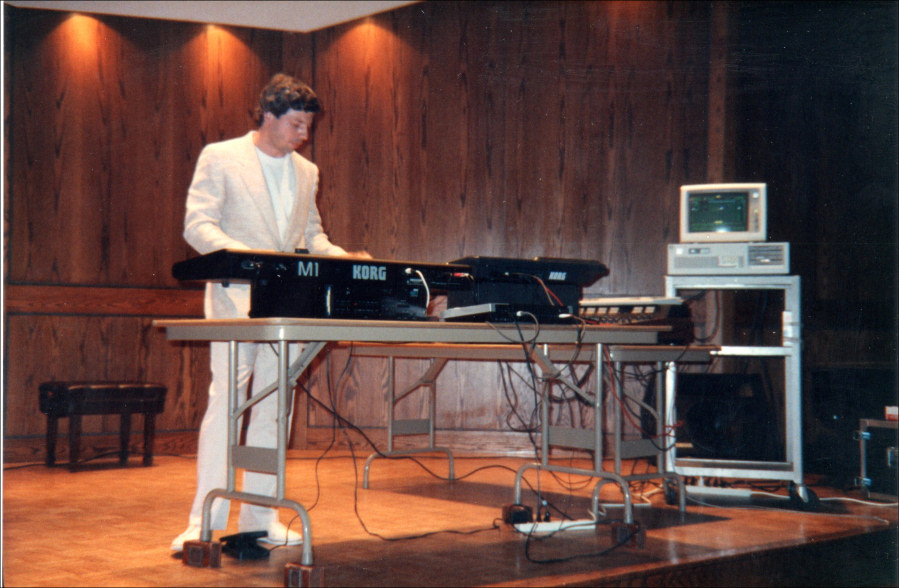
Don Muro (USA)
Contribution: Don Muro is a composer, performer, author and educator specializing in music technology.
He was Korg clinician for many years.
Role: Created the M1 internal demo songs
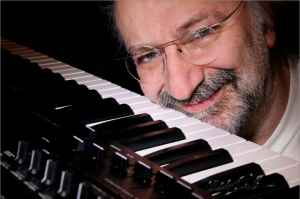
Michele Paciulli (Italy)
Contribution: Michele Paciulli (Italy)
Contribution: At first, representing the Italian market, Paciulli focused on theatrical, expansive, and avant-garde sounds. He was highly skilled at blending digital waveforms with onboard multi-effects processors to create the massive, sweeping pad sounds and atmospheric textures. He later excelled at acoustic and orchestral sounds as well as ethnic instruments.
Role: Expert in short looping. He created many of the DSS-1 disks that led to new approaches to short looping sounds. He also created a demo for the 1988 Frankfurt Messe show that solidified the M1’s success.
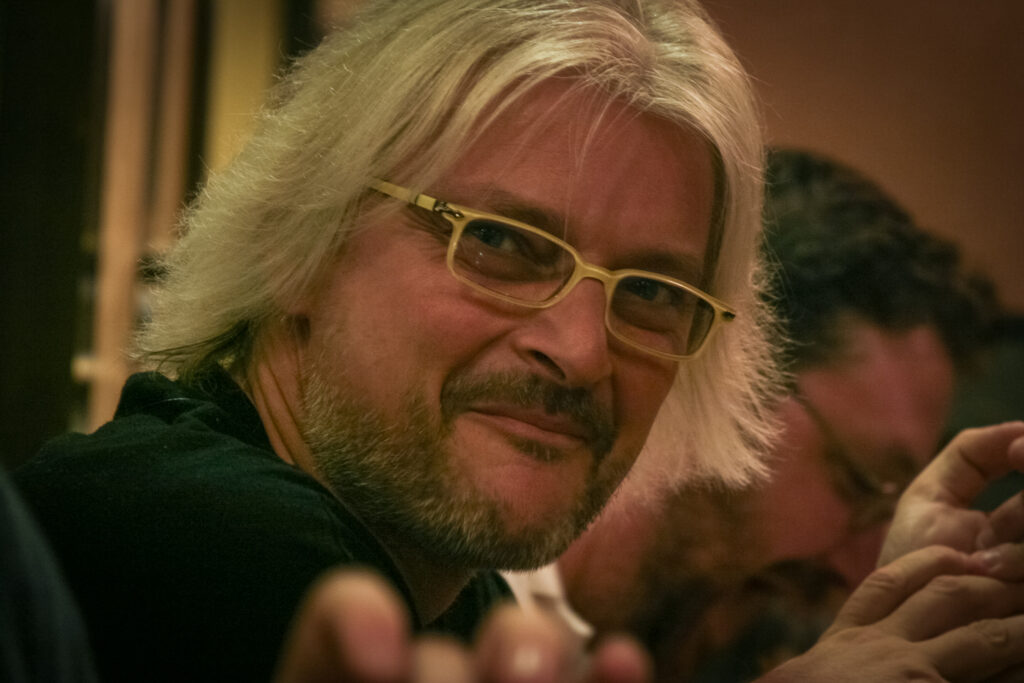
Michael Geisel (Germany)
Passed Away in 2019
Contribution: Contribution: Geisel catered to the booming German electronic music scene. He crafted punchy drums, industrial metallic hits, and sharp basslines ideal for European club music. He was also an expert in organ sounds, from theatre to jazz and more.
Role: Electronic, Techno, and Industrial Sound Programmer.
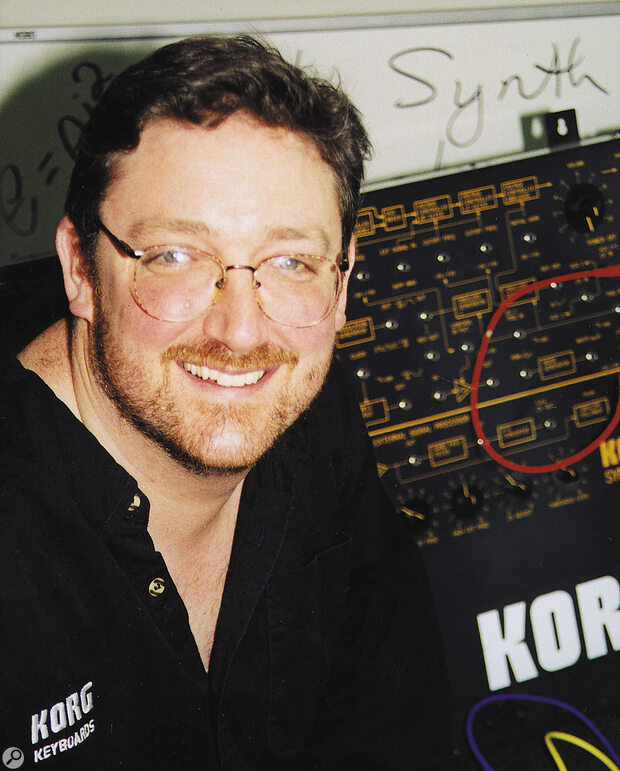
Steve McNally (Canada)
Contribution: McNally focused heavily on multi-timbral setups—known as “Combinations” on Korg keyboards. His job was to program complex layers where a single musician could play a realistic horn section, string section, or full backing band across split sections of the keyboard.
Role: Pop Workstation and Multi-Instrument Programmer.
Photo Courtesy of Sound On Sound
Sound Design brings a hunk of metal to life
When we started working on the 01W, I sent the international voicing team an email about what our role as sound designers.
When we first get a prototype, it is just a soulless hunk of electronic gear. It’s got a screen, buttons, knobs and a microprocessor. But it has no soul. It’s the sound designers who bring that piece of metal to life by infusing it with sounds and changing it from a lifeless prototype into a living musical instrument.
A workstation must feel musical from the moment a player turns it on. The presets, combinations, splits, layers, effects, and performance assignments must invite creativity.
The MIDI Patch Boys’ sound design made that possible.
MIDI Patch Boys Expanded
Over the years the MIDI Patch Boys needed to expand as the M1 was so successful and there was a growing demand for more sample cards and voices (programs and combis).
With the 01W, we added Stephen Kay to the international team.
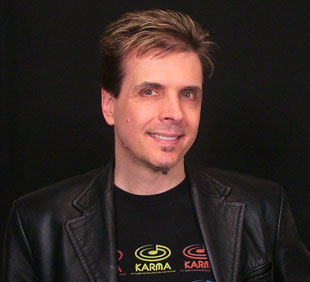
Stephen Kay– (USA)
Contribution: Stephen joined the team for the 01W and brought with him a huge sample library he developed for the Fairlight. He later added KARMA technology to Korg’s sonic arsenal.
Role: Programmer, Sample Library developer and Inventor of KARMA – Kay Algorithmic Realtime Music Architecture
Then Korg acquired the team that had been a part of the Dave Smith Division of Yamaha (read the full story here- Karl Hirano, Dave Smith and Korg ).
That brought a whole new group of people including John Bowen, The father of factory presets.
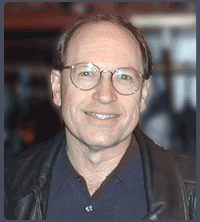
John Bowen– (USA)
Contribution: The glue that connected Bob Moog and Dave Smith, the father of Factory presets, the voicing leader for the Wavestation and most of the other synths from Korg R&D.
Role: In charge of Voicing for Sequential Circuits and then Korg R&D in San Jose.
We added people like Phill McDonald, Eric Hailstone, Drew Schlesinger and Geoff Stradling to the international Korg voicing team.
I finally left Korg and returned to the US in 1994 and worked with a company called Invision that did the re-voicing of the Alesis QS6 with Marcus Ryle, Erik Norlander, and Taiho Yamada.
Jerry Kovarsky joined the Korg USA team in 1996 and you can see the same kind of MIDI Patch Boy camaraderie just naturally continued on.
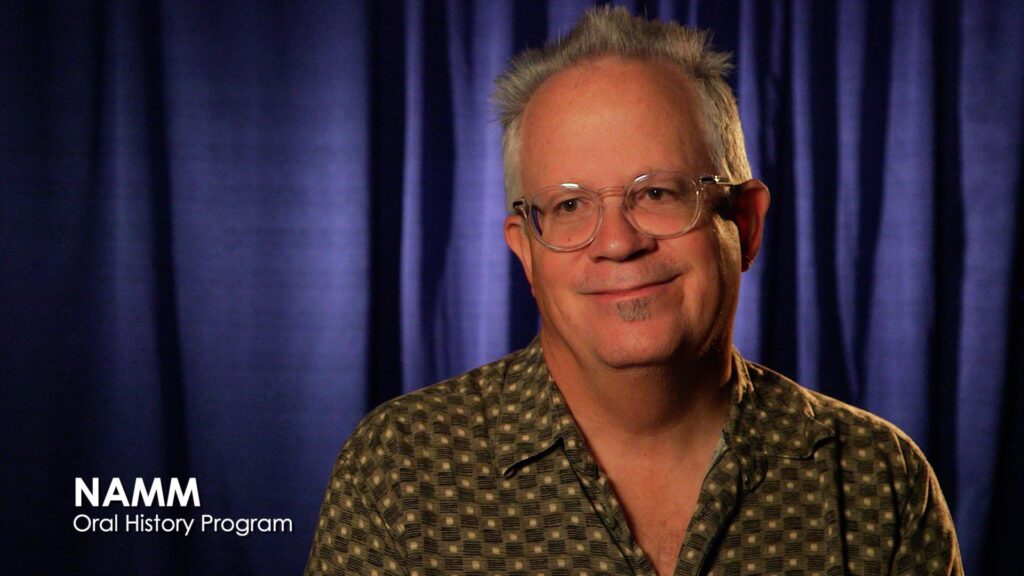
Jerry Kovarsky– (USA)
Contribution: Worked closely with Korg Inc. to shape, position, and market technology products for the U.S. and global markets, contributing to product specification, voicing, demos, naming, sales strategy, and marketing for major instruments and product lines including Triton, OASYS, M3, SV-1, KAOSS Pads, Electribes, Legacy soft-synths, digital pianos, arrangers, and recording products.
Role: Korg USA Technology Senior Product Manager
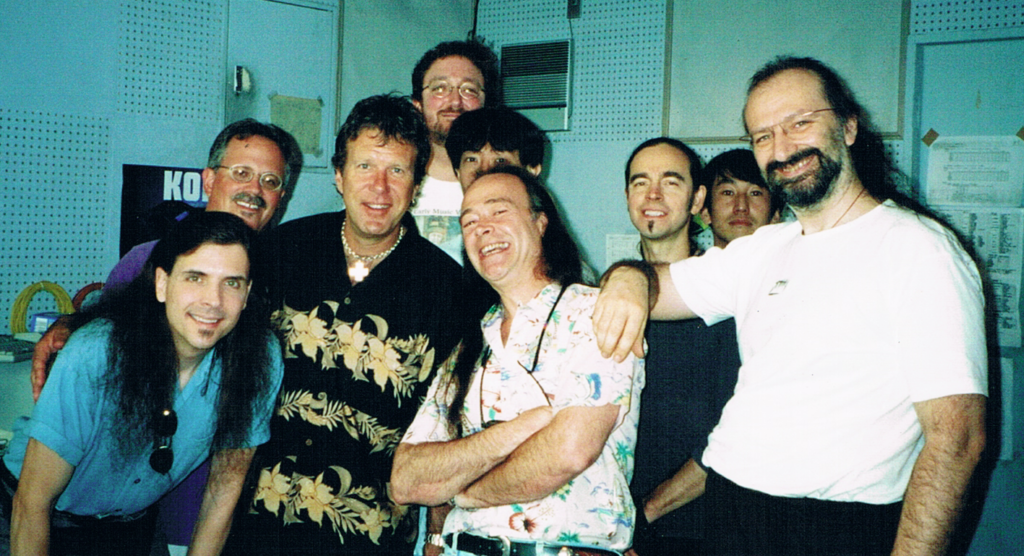
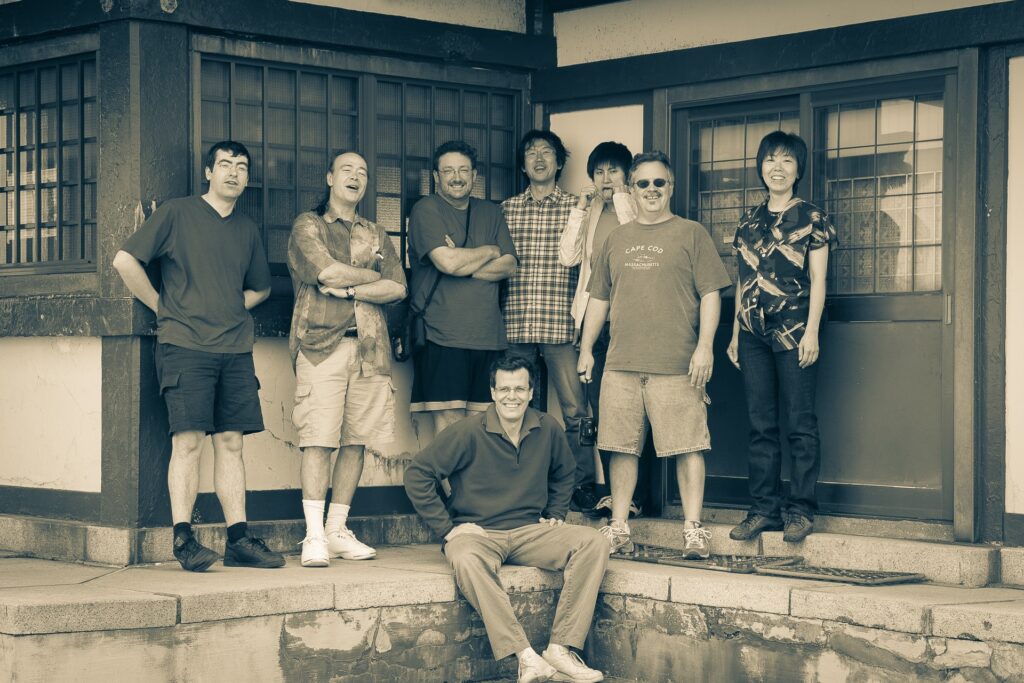
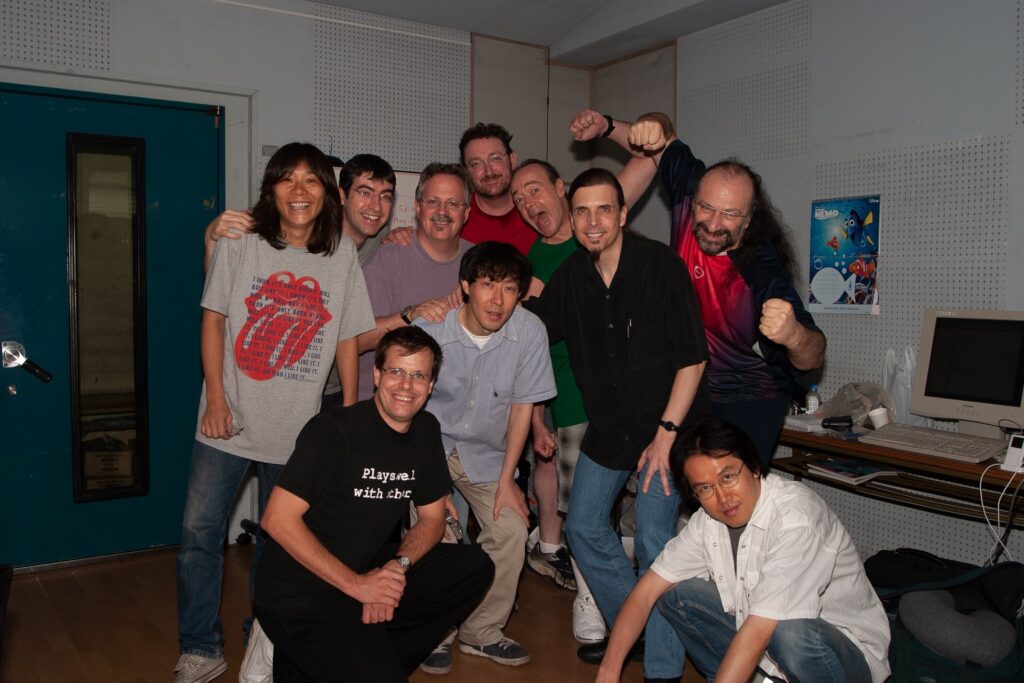
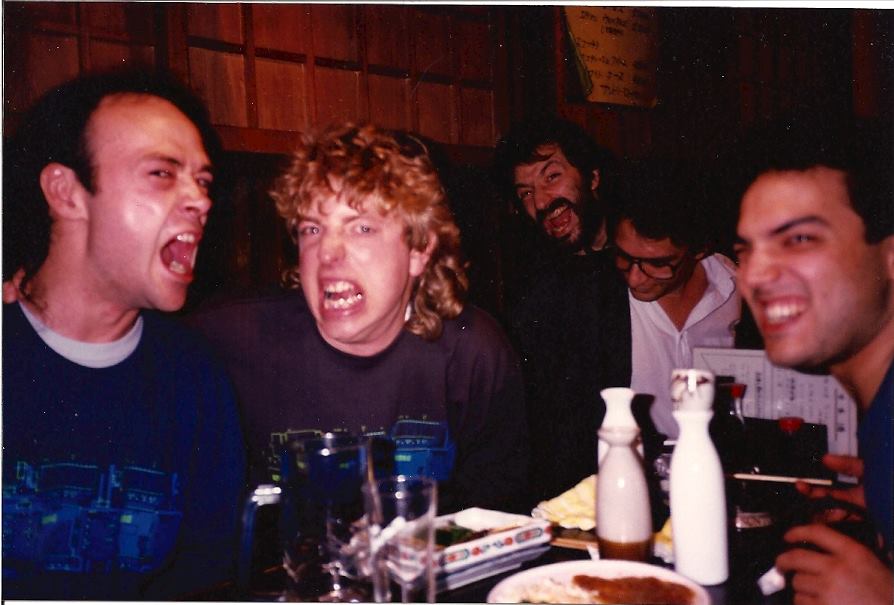
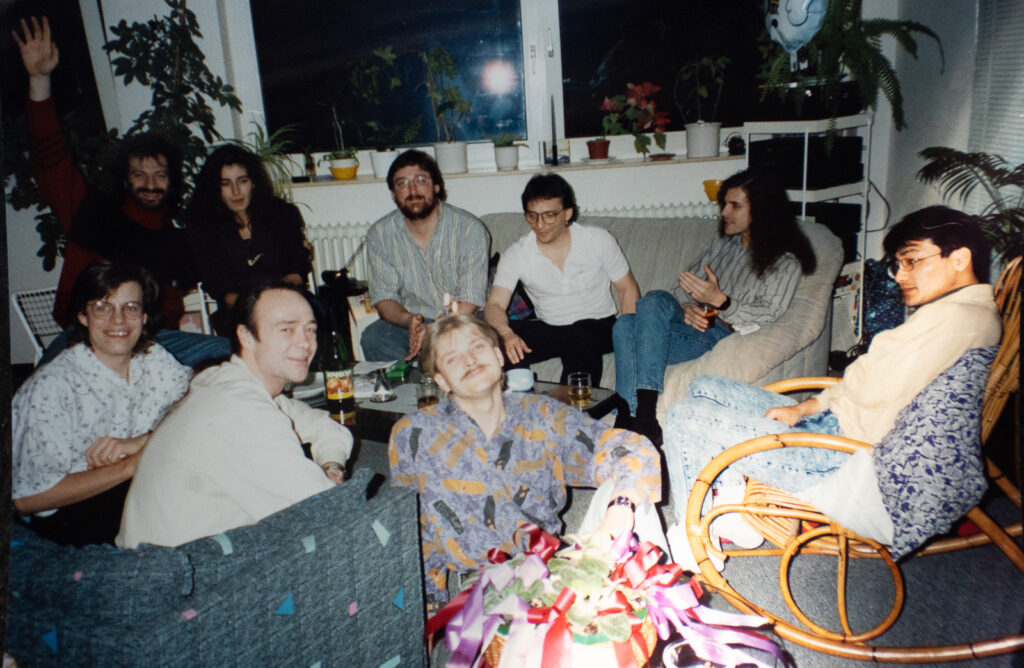
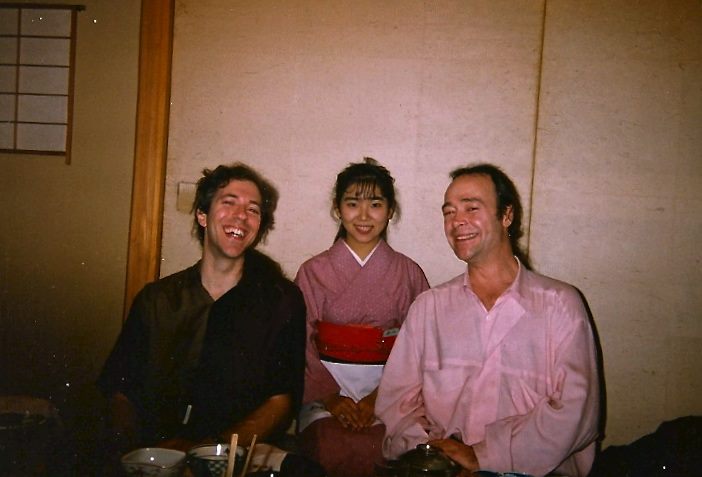
Here is a gallery of pictures of the MIDI Patch Boys.
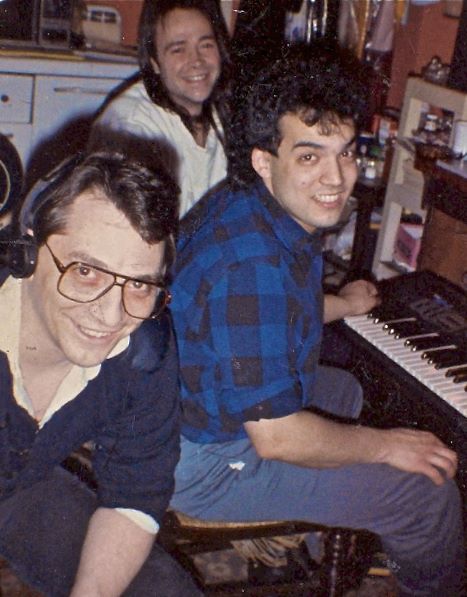
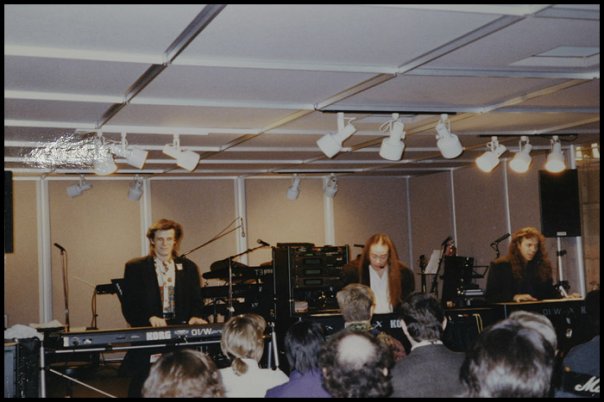
The Kitchen Sync (Jack Hotop/Jordan Rudess each on 1 O1W, John Lehmkuhl O1W keyboard drums):
The Path of Truth (Jack Hotop/Jordan Rudess each on 1 O1W, John Lehmkuhl O1W keyboard drums):
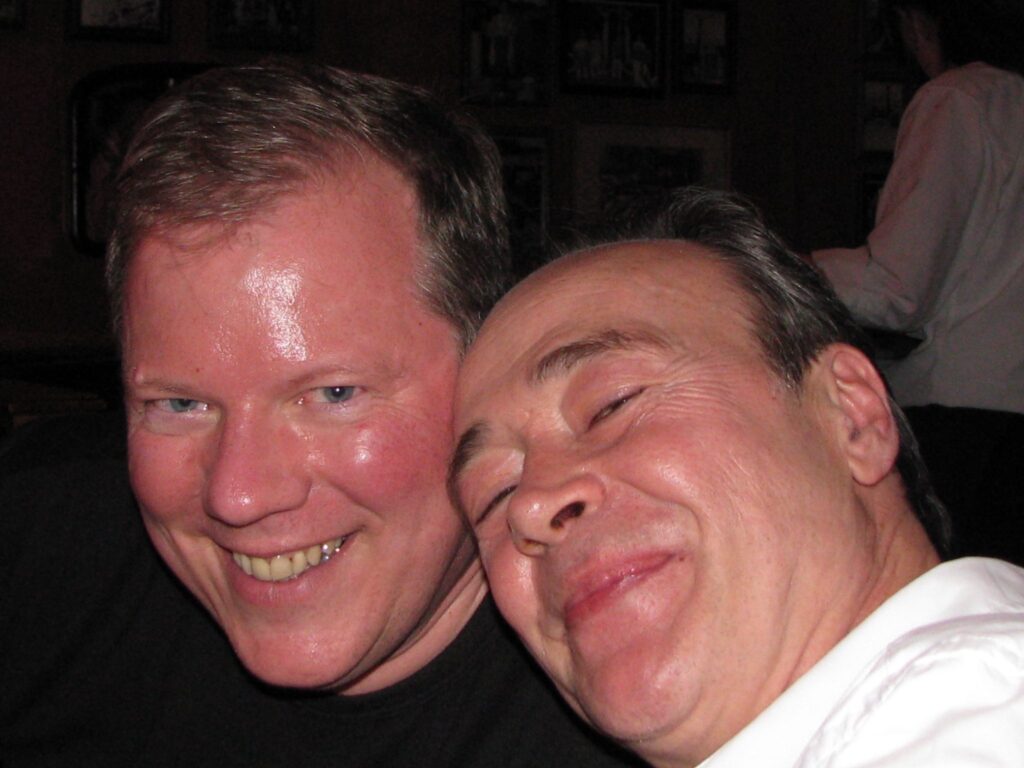
The Face
No tribute to Jack would be complete without The Face, that special expression Jack had when he was playing a synth he loved. Special thanks to Mark Vail for providing this video.
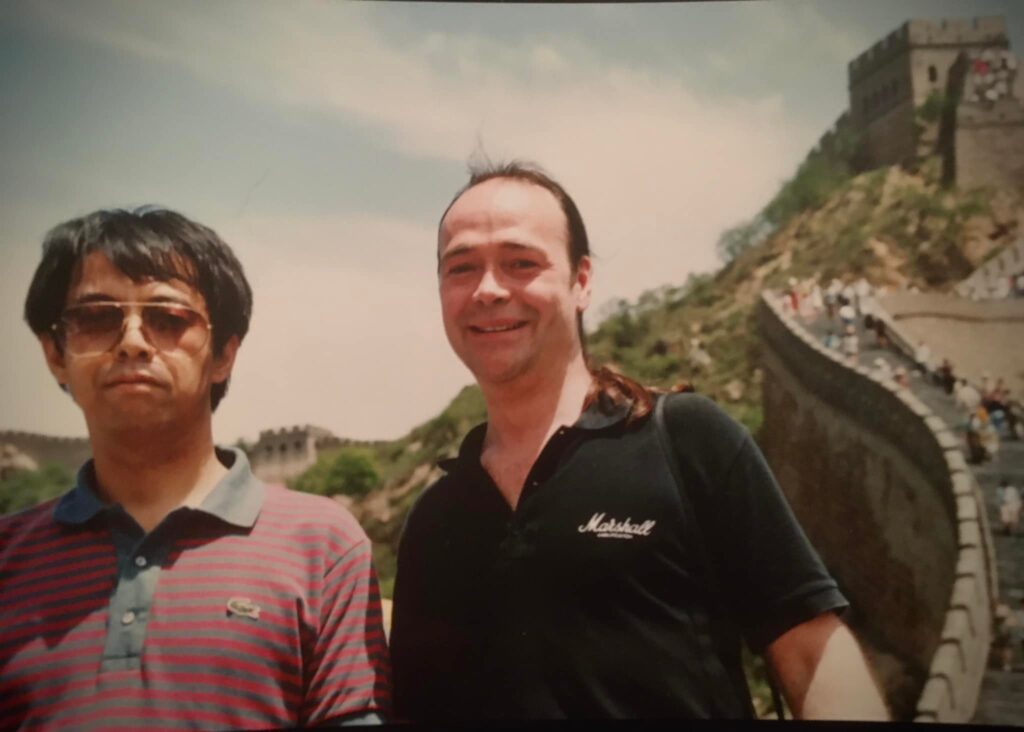
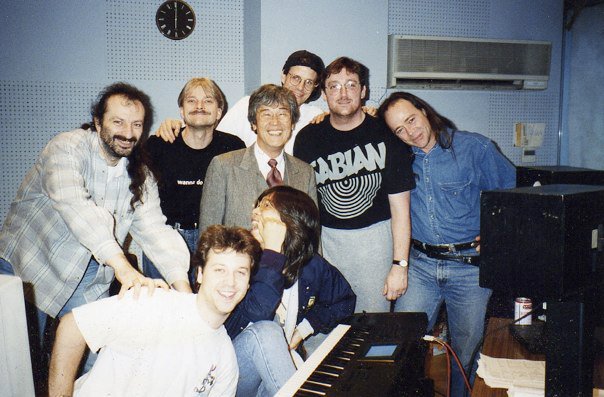
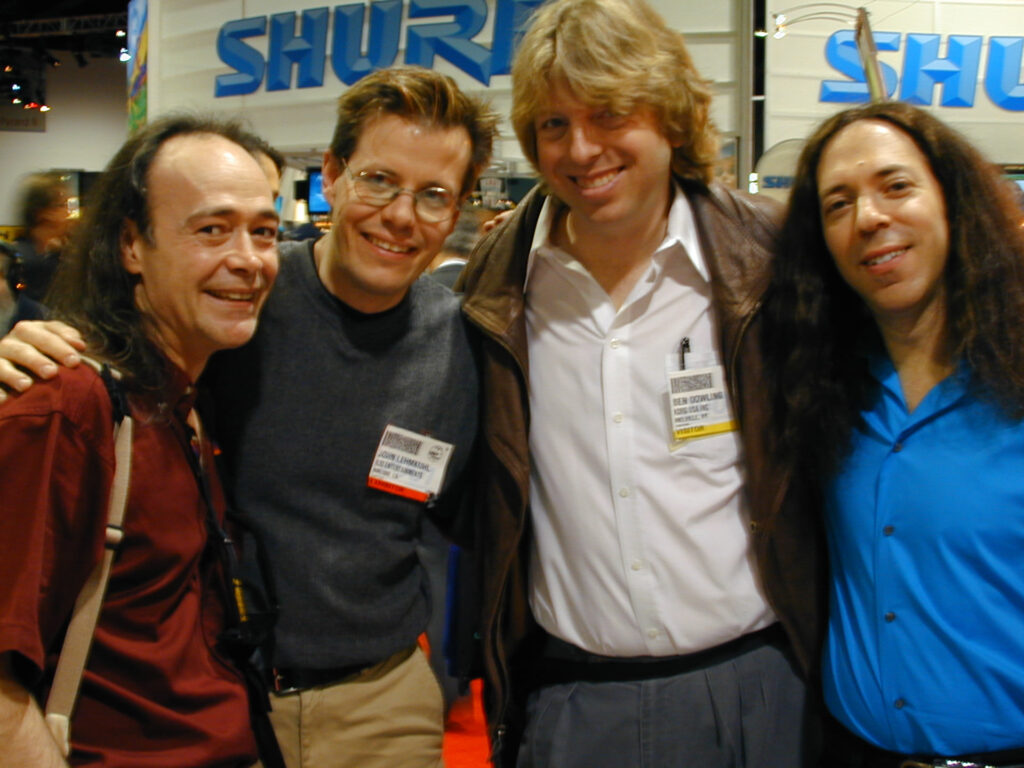
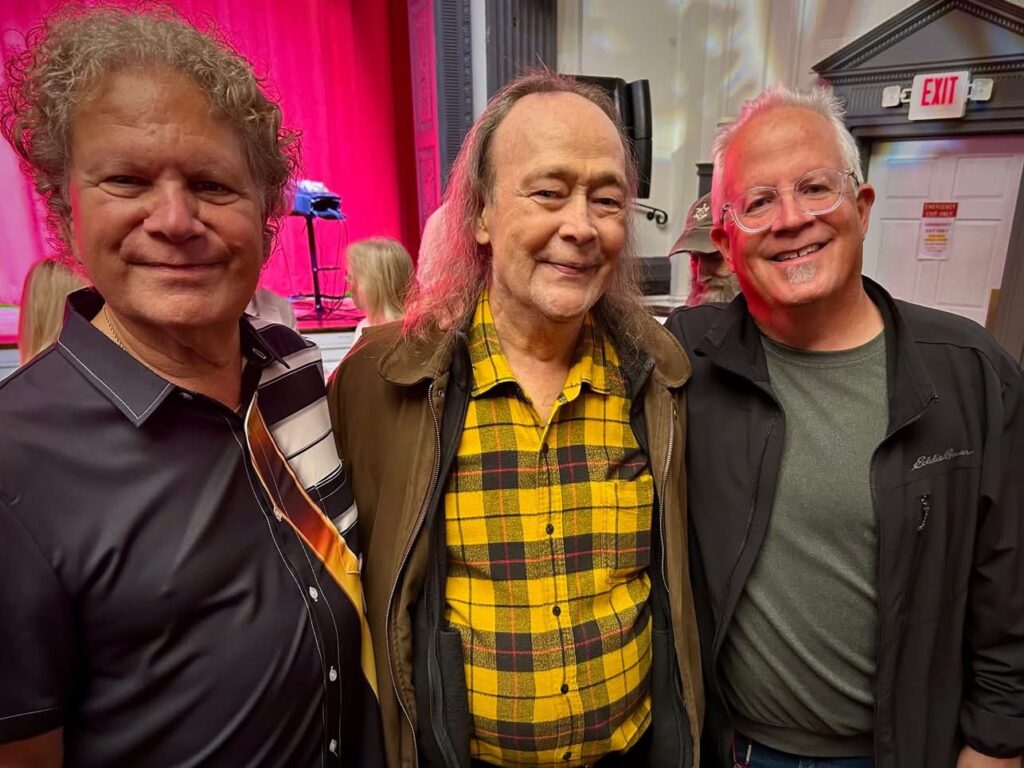
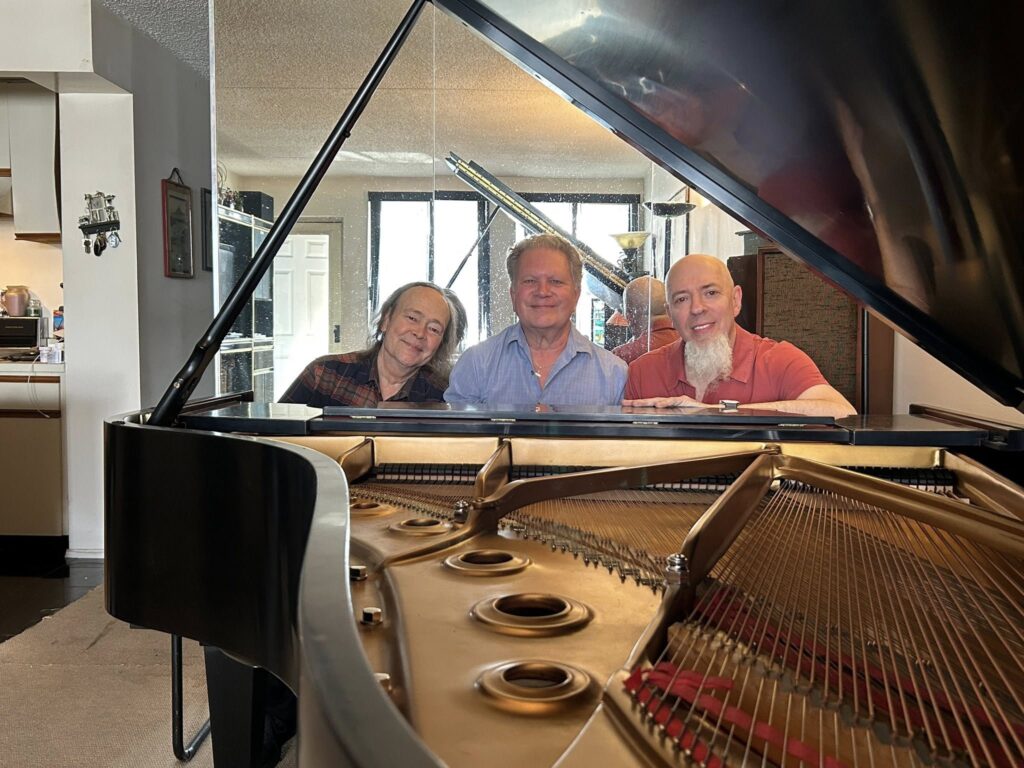
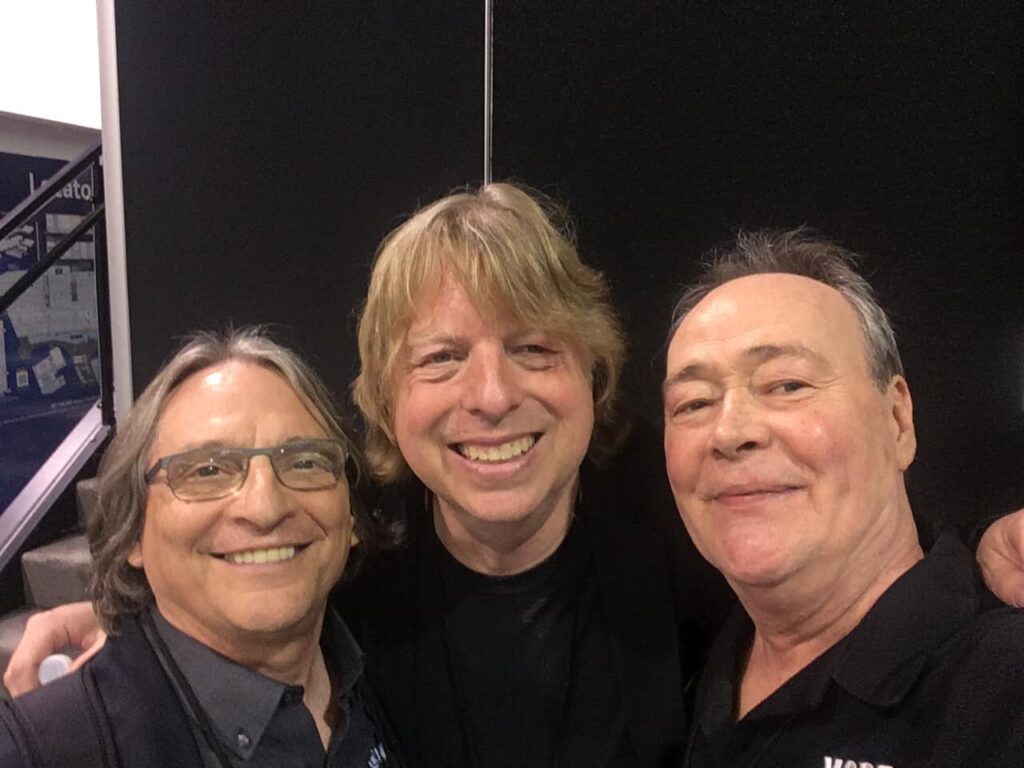
Designing Sounds That Musicians Could Use
One of the recurring themes in Hotop’s career is the idea that sound design is a musical craft. A great patch is not just a technical demonstration. It is a playable instrument. It has dynamics, range, character, and purpose. It gives a player a reason to write a song, build an arrangement, or explore a new performance idea.
This is why sound designers like Jack Hotop were so important to the development of MIDI instruments. MIDI allowed instruments, sequencers, drum machines, computers, and later digital audio workstations to communicate. But the emotional connection still came from the sounds and how they responded to performance. Velocity, aftertouch, modulation, pedals, pitch bend, layers, zones, and controller assignments all became part of the musical experience.
Hotop understood that the technical features of an instrument had to be translated into something playable. A layered pad needed to evolve in a musically useful way. A piano or electric piano sound needed to respond naturally to touch. A lead sound needed expression. A combination sound needed to fill a role in an arrangement.
This musician-centered approach helped make KORG instruments useful not only for keyboard specialists, but also for composers, producers, arrangers, educators, and performers across many genres.
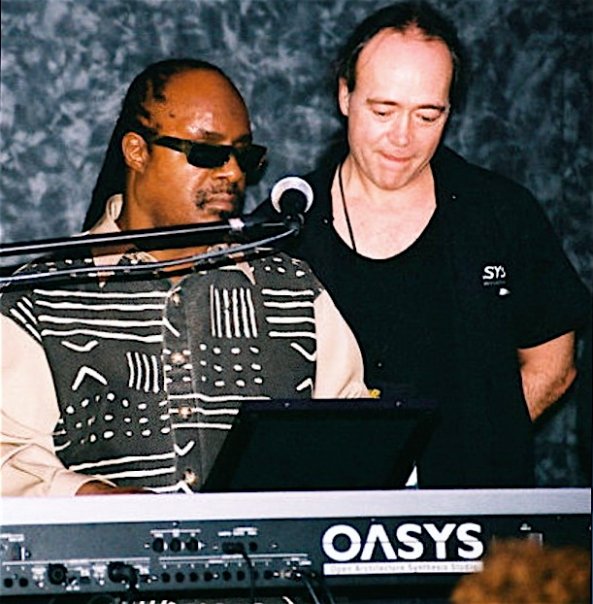
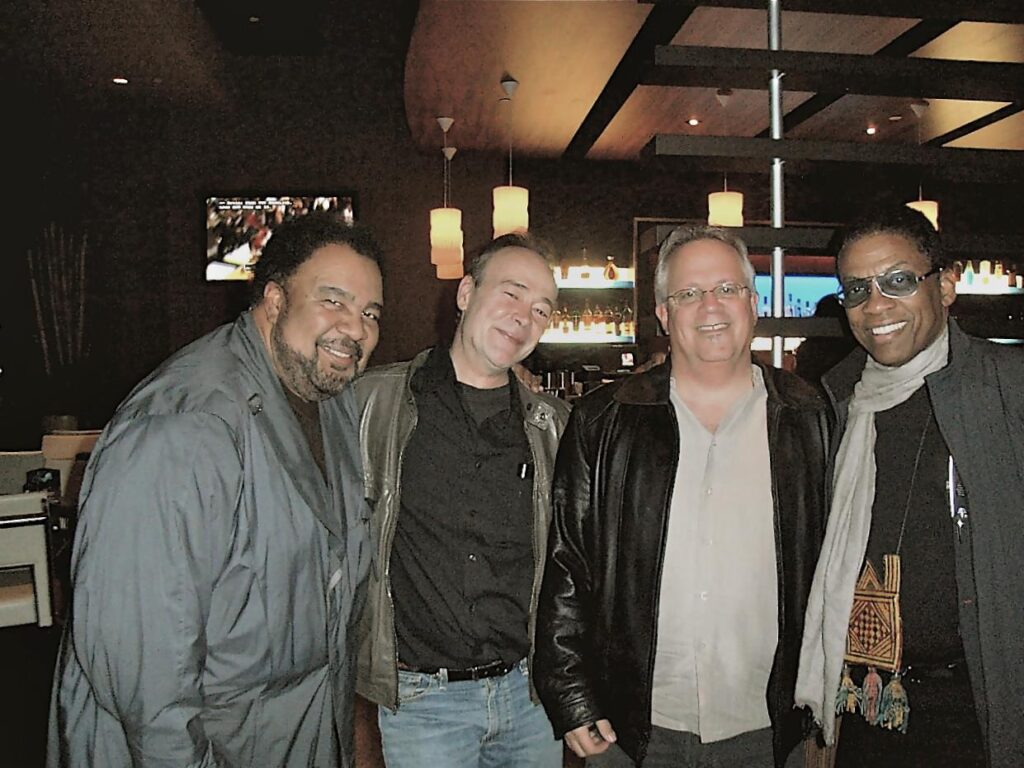
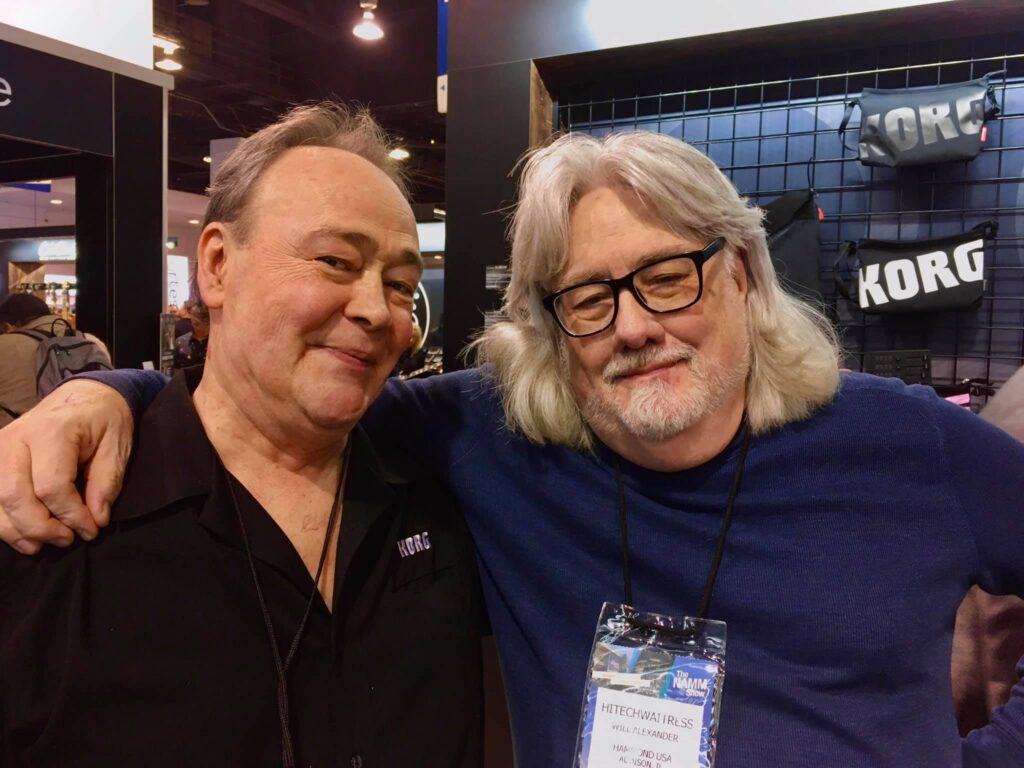
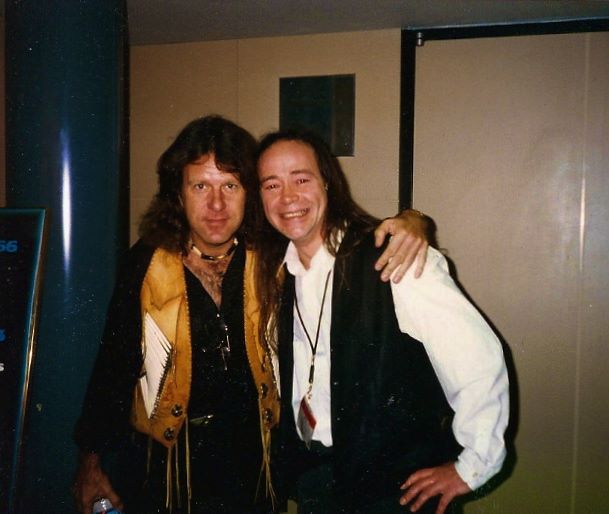
Beyond the M1: Wavestation, Triton, OASYS, KRONOS, and More
Although the M1 is one of the clearest landmarks in Hotop’s story, his influence extended far beyond one product. He contributed to a long line of KORG instruments that helped define different eras of music technology. The Wavestation brought wave sequencing and vector-style performance ideas to a generation of musicians. The Trinity and Triton became staples of studios, live rigs, churches, schools, and touring productions. OASYS and KRONOS pushed the workstation concept further by combining multiple synthesis engines, sampling, sequencing, effects, and performance control into powerful integrated systems.
NAMM also notes Hotop’s work with Jerry Kovarsky and others on KORG products including OASYS and M3, while Jerry Kovarsky’s own NAMM Oral History entry highlights their work together on Triton, OASYS, M3, and KRONOS.
https://www.namm.org/library/oral-history/jerry-kovarsky
https://www.namm.org/library/oral-history/jack-hotop
Across these instruments, Hotop’s contributions reflected an important truth about music technology: great products come from teams. Engineers, industrial designers, product managers, musicians, voicing specialists, demonstrators, and artists all contribute to the final result. Hotop’s gift was to bring a musician’s ear and a programmer’s understanding into that collaborative process.
A Demonstrator, Educator, and Ambassador for Music Technology
For many musicians, Jack Hotop was also a familiar presence at NAMM Shows and product demonstrations. NAMM’s Oral History notes that he could often be seen at NAMM demonstrating KORG’s latest products.
That role should not be underestimated. In the world of electronic instruments, a great demonstration can translate complex technology into musical possibility. Hotop could show not only what an instrument did, but why it mattered. He helped musicians understand new sounds, new workflows, and new ways of performing. In that sense, he was not only a sound designer, but also an educator and ambassador for synthesis, MIDI, and electronic music creation.
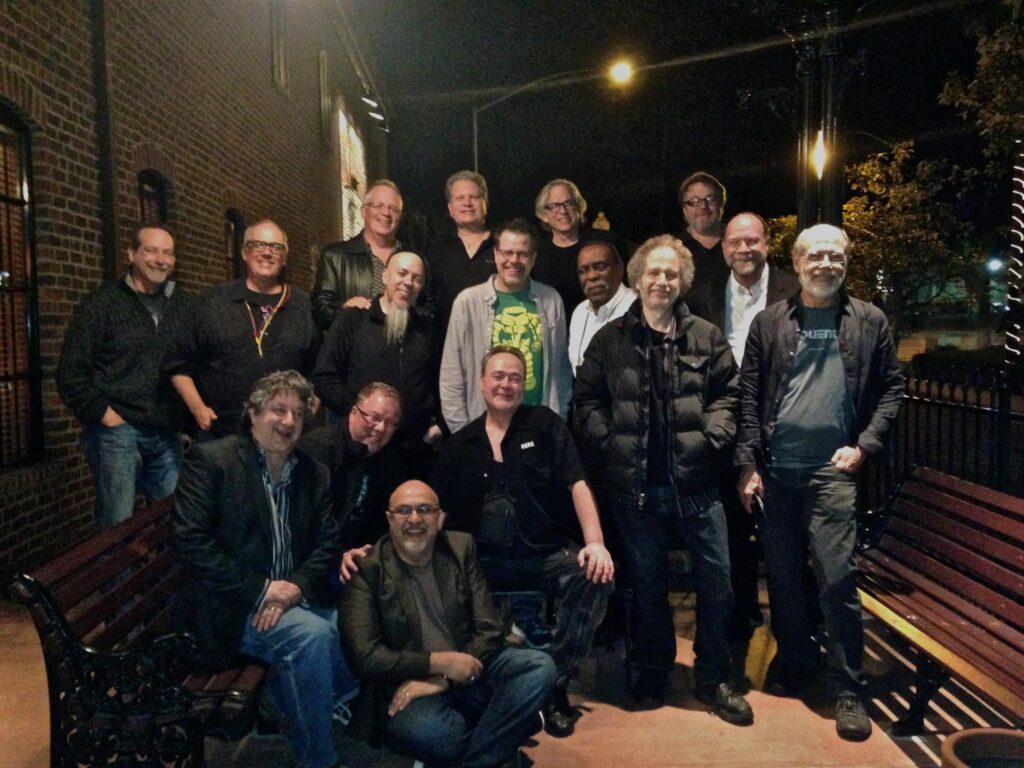
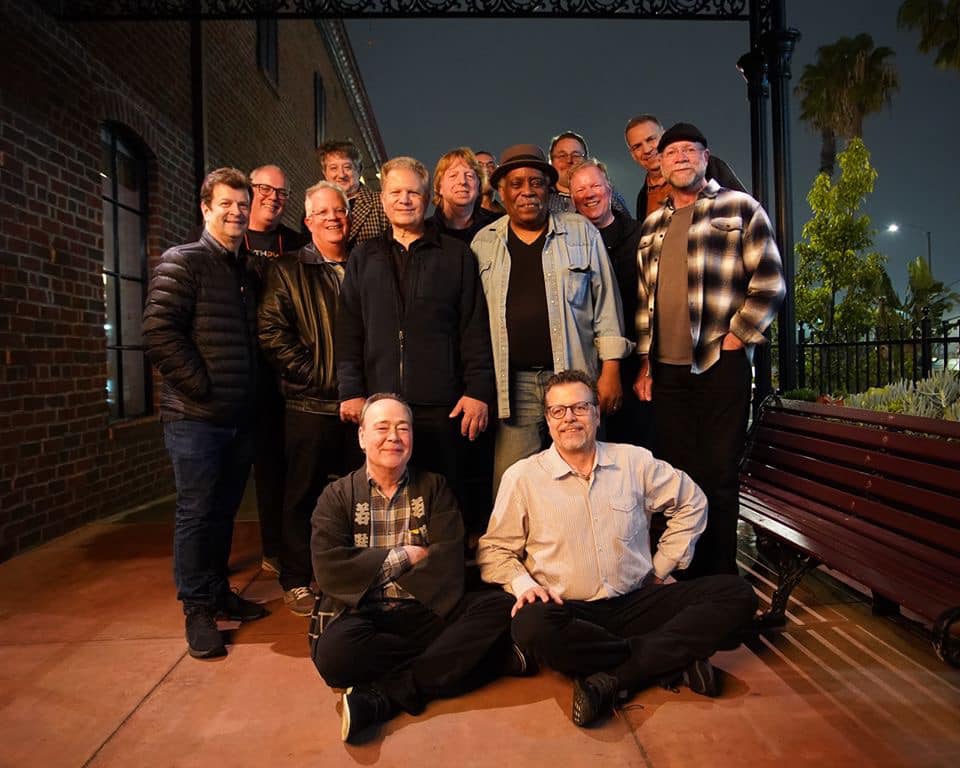
Old Men Of MIDI
Every year at NAMM a group of people get together for a dinner.
They call themselves “The Old Men of MIDI”.
It’s a loose group of people, but you will see many of the people who have made a difference in MIDI over the years.
Why Jack Hotop Matters to the MIDI Community
MIDI history is often told through specifications, products, and companies.
But it is also a history of people who made the technology musical.
Jack Hotop’s career is a reminder that standards and instruments become meaningful when musicians can use them to create expressive work.
The MIDI workstation era changed music making by giving artists powerful tools for composition, performance, sequencing, and production.
The KORG M1 and the instruments that followed helped bring those possibilities to a vast community of users. Hotop’s sound design was part of the bridge between the technical potential of MIDI-enabled instruments and the musical results heard in recordings, performances, broadcasts, and productions around the world.
A Legacy Heard Around the World
Jack Hotop helped create sounds that became part of the everyday vocabulary of modern music. His work lives in countless recordings, live performances, demos, television cues, film scores, school music labs, studios, churches, clubs, and personal creative spaces.
Many musicians may never have known his name, but they knew the experience of selecting a KORG sound and immediately being inspired to play.
For MIDI.org, Jack Hotop’s story is worth celebrating because it shows what happens when technology is guided by musical imagination. He was part of the generation that helped turn MIDI instruments into complete creative systems, and his sounds helped make those systems feel alive.
Jack Hotop’s legacy is not only in the instruments he helped voice, but in the music those instruments made possible.
Jack’s Tribute to his father Jack Hotop Sr (played on a Korg Kronos)
Korg MSC-4S Orchestra 1 factory demo song:
Capriccio by Jack Hotop
John Lehmkuhl suggested that the article should have this beautiful piece that Jack wrote for the M1 Orchestral sample card. Great call, Skippy!
Jordan Rudess -A musical tribute to Jack
Jordan sat down as his piano on May 21, 2026 the night that Jack passed and improvised a beautiful piece of music inspired by his friendship with Jack.
Please check it out.
https://www.facebook.com/watch/?v=1135525929642757
Facebook Post from Mari Kawaguchi
More Jack
This is a really nice interview with Jack on Make Weird Music.
Articles about Korg on MIDI.org
Dave Smith and Sequential Circiuits
John Bowen, The father of factory presets
Karl Hirano, Dave Smith and Korg
Seiki Katoh Passed Away February 21, 2025
Editor’s Note:
I received these photos from Tomoko Itoh-san from Korg after the article was complete, but it seemed a fitting way to end this story.
When we are working on the M1, I bought a 200 yen Daruma doll and brought it to one of the final meetings of the MIDI Patch Boys in Japan before the M1 was launched.
A Daruma doll is a traditional Japanese hollow, round talisman of good luck and perseverance, modeled after Bodhidharma, the founder of Zen Buddhism. They embody the proverb nanakorobi yaoki (“fall down seven times, get up eight”), as they are weighted to always return upright when knocked over.
The Goal-Setting Ritual
Daruma dolls are famous for their interactive goal-setting process:
- Set a Goal: When you make a wish or set a goal, paint in the Daruma’s left eye.
- Take Action: The doll serves as a constant visual reminder of your determination.
- Achieve and Complete: Once your goal is fulfilled, paint in the right eye as a symbol of accomplishment.
The M1 Daruma was signed by Kakeshita Kosaka, Robby Kilgore, Peter Schwartz, Jack Hotop, Michael Geisel, Athan Billias (in Katakana), and Michele Paciulli.
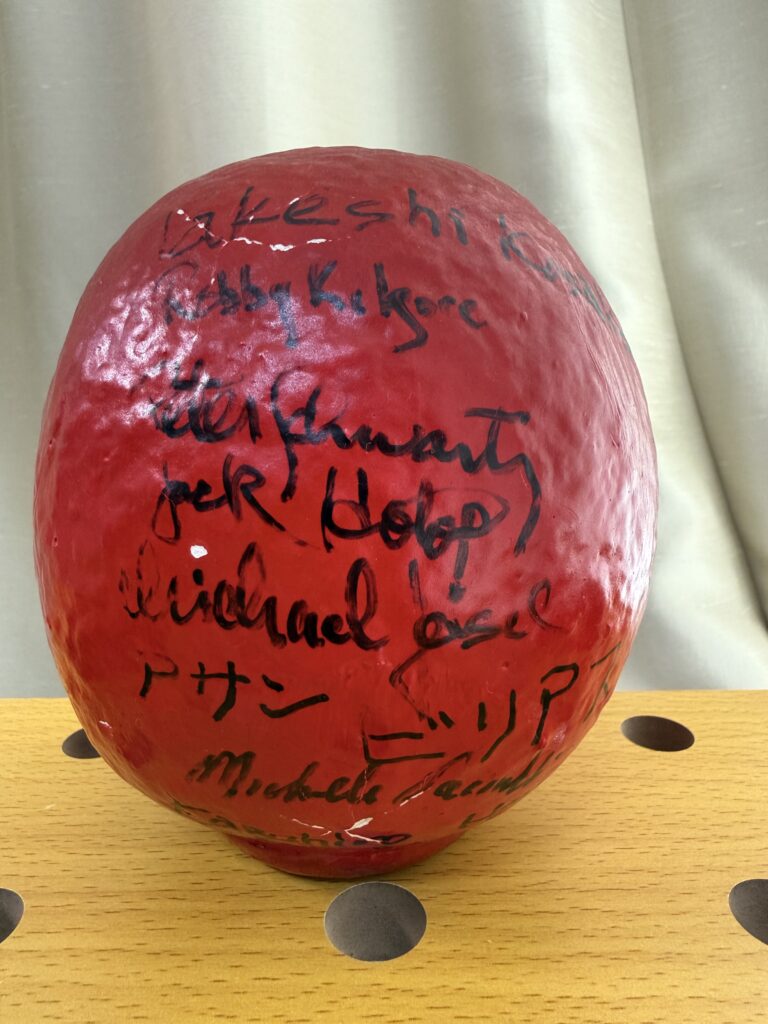
At first, it only had one eye painted in, but when the M1 sold 40,000 units in the first year, we painted in the second eye as we had reached our goal.
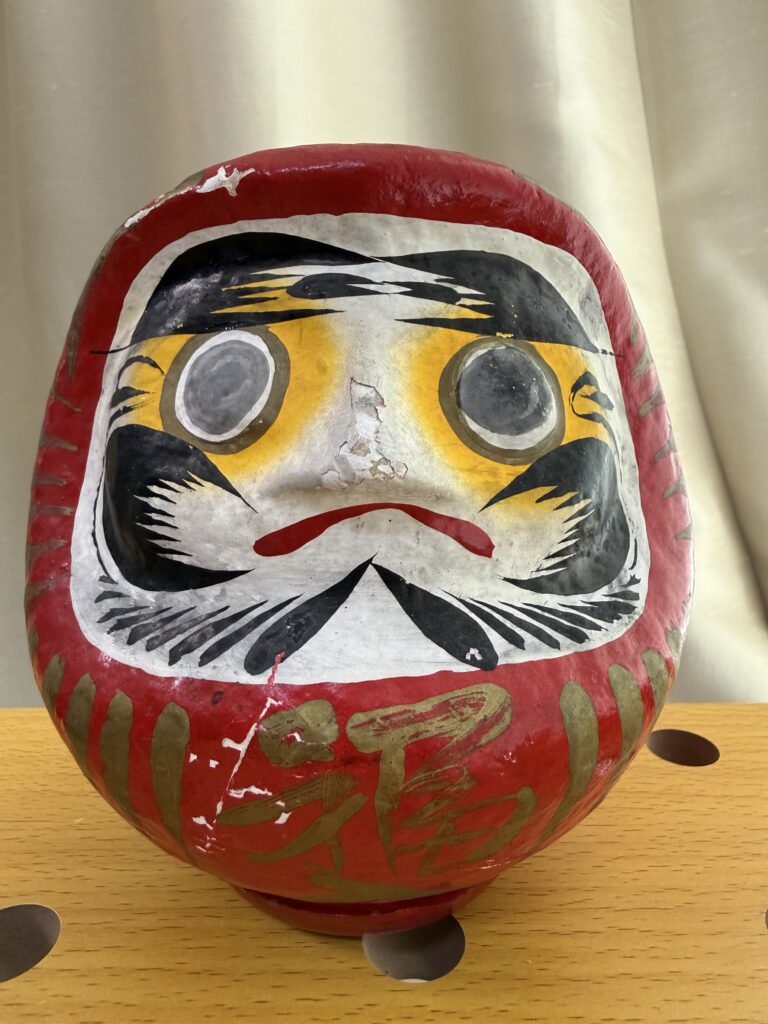
I kept the M1 Daruma at my house in Japan for many years, took it back to the US with me and always cherished it.
But I realize that it’s rightful place was at Korg Inc in Japan and returned it to its rightful home at Korg Inc in Japan where it remains now as a part of Korg’s long and proud history.